Floating Bee Water Stations: Essential Pest Control Tool
William Williams ·
Listen to this article~4 min
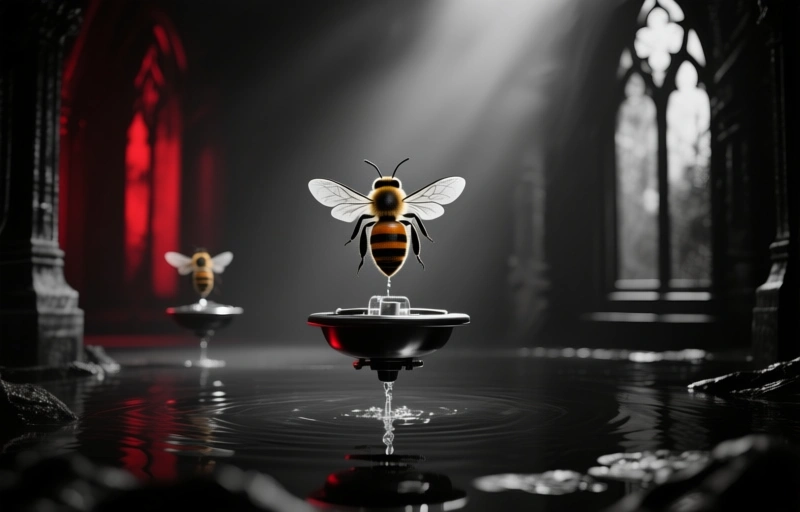
Discover how floating bee water stations serve as essential pest management tools. Proper hydration reduces colony stress, improves disease resistance, and supports overall apiary health for beekeeping professionals.
You know the feeling. You're checking your hives, everything looks good, but something's off. The bees are struggling, making those frantic trips to nearby puddles or worse, your neighbor's chlorinated pool. That's when water stress becomes a real pest management issue.
It's not just about hydration. When bees can't access clean, safe water, they get stressed. Stressed colonies are vulnerable colonies. They're more susceptible to varroa mites, nosema, all the usual suspects we work so hard to control. Providing proper water isn't just being nice—it's strategic pest management.
### Why Floating Stations Work Better
Traditional water sources have problems. Bird baths can drown bees. Ponds have predators. Simple dishes grow algae or mosquito larvae. That's where floating bee water stations come in. They're designed specifically for pollinators, with textured surfaces for secure landing and drinking.
The floating design is clever. It moves with the water, creating a consistent drinking platform regardless of water level changes. The 18x7cm size is practical—big enough to serve multiple bees, small enough to place anywhere. Think about your apiary layout. Where would your bees naturally look for water?
### Installation and Placement Tips
Placement matters more than you might think. Here's what I've learned over the years:
- Position stations upwind from hives so bees catch the scent
- Place them in partial shade to prevent overheating
- Keep them at least 10 feet from hive entrances to avoid robbing traffic
- Use multiple stations for larger apiaries
- Add pebbles or corks for extra landing spots
One beekeeper I know puts floating stations in his irrigation ditches. Another uses them in livestock troughs. The key is making water accessible without making bees work too hard for it. When they're not exhausted from water collection, they have more energy for colony defense and hygiene.
### Beyond Bees: Supporting Beneficial Insects
Here's something we don't talk about enough. These stations aren't just for honeybees. Butterflies, native bees, even beneficial wasps use them. By supporting the entire pollinator community, you're creating a healthier ecosystem around your apiary.
A diverse insect population helps with natural pest control. Predatory insects keep problem populations in check. It's all connected. As one veteran beekeeper told me, "You can't manage pests in isolation. You manage the whole environment."
### Maintenance and Water Quality
Don't just set it and forget it. Check stations weekly. Refresh water to prevent stagnation. In hot weather, bees prefer slightly warm water over cold—it's easier for them to process. Avoid adding sugar or honey, which can spread disease.
Consider the water source itself. Rainwater is ideal. Well water works if it's not too mineral-heavy. Municipal water should sit for 24 hours to off-gas chlorine. Little details make big differences in bee health.
### Integrating with Your Pest Management Plan
Think of water stations as part of your integrated pest management toolkit. Well-hydrated bees groom more effectively, removing mites. They maintain better hive temperature control. They even produce more propolis, that natural antibiotic barrier.
When I add floating stations to an apiary, I notice changes within weeks. Calmer hives. Better brood patterns. Fewer drowned bees in nearby water sources. It's one of those simple interventions that pays off in multiple ways.
The bottom line? Water management is pest management. By giving your bees safe, reliable drinking spots, you're removing a major stressor. You're making their lives easier so they can focus on what they do best—being healthy, productive colonies that can withstand the challenges we throw at them.
Next time you're walking your apiary, look at where your bees are getting water. Then ask yourself: could I make it better? The answer is usually yes, and a floating bee water station might be exactly what you need.