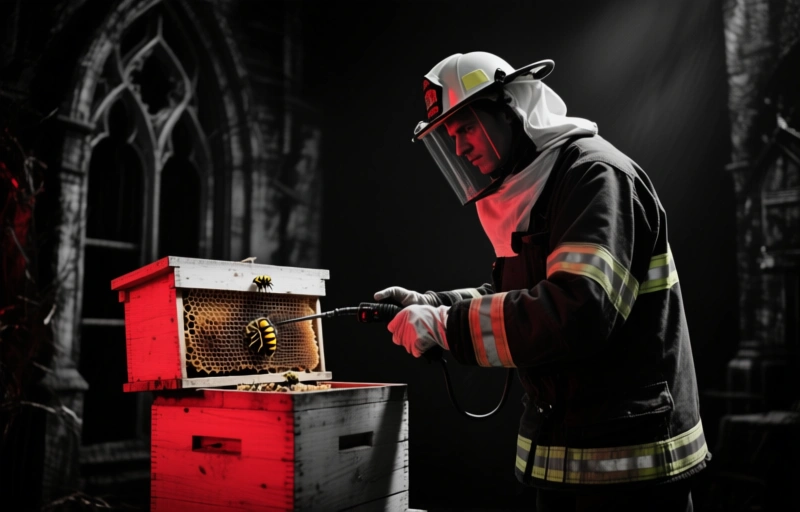
A firefighter's hive rescue highlights a key truth for beekeepers: effective pest control requires specialized knowledge and the right tools. Learn how to choose products that protect your colony.
You know, I read this story about a firefighter in La Verkin who used his beekeeping skills to rescue a hive built right outside the station. It wasn't just a nice human-interest piece—it got me thinking. It's a perfect example of how the right knowledge and the right approach make all the difference, whether you're dealing with an unwanted swarm or protecting your own apiary from pests.
That firefighter didn't just spray and walk away. He understood the value of the colony and had the skills to relocate it safely. It makes you wonder, how often do we reach for the quick fix instead of the right tool? In beekeeping, that mistake can cost you an entire hive.
### Why Specialized Knowledge Matters in Pest Control
Managing pests in a beehive isn't about total annihilation. It's about precision. You're trying to protect a living, breathing superorganism. The wrong product, or the wrong application, can do more harm than the pest itself. Think about Varroa mites—they're tiny, but they can devastate a colony if not managed correctly with targeted treatments.
The same principle applies when bees decide a fire station is prime real estate. Why do they do that, anyway? Often, it's about shelter, height, and proximity to resources. Preventing it requires understanding bee behavior, not just putting up a 'no bees allowed' sign.
### Choosing the Right Tools for the Job
Just like that firefighter needed his suit and smoker, beekeepers need a reliable arsenal for pest control. It's not one-size-fits-all. You have to consider the pest, the season, and the strength of your colony.
Let's break down what you should look for in a top-tier beekeeping pest control product:
- **Effectiveness:** Does it actually work against the specific threat, like Varroa destructor or the small hive beetle?
- **Colony Safety:** Is it formulated to minimize stress and harm to your bees, especially the brood?
- **Ease of Use:** Can you apply it correctly without needing a PhD in chemistry?
- **Residue Concerns:** What's the impact on honey and wax? This is huge for any beekeeper selling their products.
It's a balancing act. You're walking a line between control and care. The goal is a healthy, productive hive, not a sterile, chemical-laden box.
Here's a thought that stuck with me from the original article: "In beekeeping, the wrong pest control product can harm the very hive you're trying to save." That's the heart of it, isn't it? Your intervention should be part of the solution, not a new problem.
### The Takeaway for Beekeepers
So, what's the lesson from a firefighter who's also a beekeeper? It's that informed action beats a reactive panic every single time. Before you treat, you have to identify. Before you apply, you have to research.
Don't just grab the first miticide you see on the shelf. Read the labels, talk to other local beekeepers about what's working for them, and always, always follow the application instructions to the letter. Your hive's health depends on your diligence.
That story was a reminder that sometimes, the best tool isn't a product at all—it's knowledge. Knowing when to call a professional for a removal, understanding bee biology to prevent infestations, and selecting treatments with care. It's all connected. Your hive is an investment of time, money, and passion. Protecting it means making smart, informed choices from the ground up.
Related: afkickklinieken vergelijken.