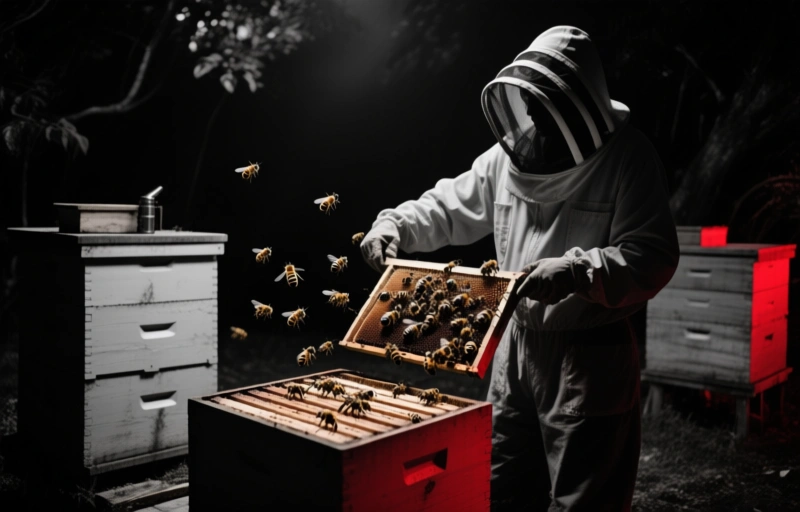
Learn how to prevent and manage bee swarms in your apiary. Practical tips for spotting signs early, adding space, splitting hives, and safely catching swarms.
If you keep bees in the United States, you know that swarming is both a natural wonder and a potential headache. It's the colony's way of reproducing, but it can also mean losing half your bees right when you need them most. Let's break down what's happening and how you can stay ahead of it.
### Why Do Bees Swarm?
Bees swarm when their home gets too crowded. Think of it like a growing family outgrowing a small apartment. The old queen takes off with thousands of workers to find a new home, leaving behind a new queen and some bees to carry on. This usually happens in late spring or early summer, especially in warm climates.
But here's the thing: swarming isn't random. It's triggered by specific conditions. A strong hive with plenty of honey, lots of young bees, and limited space is a ticking time bomb. If you don't give them room to expand, they'll make their own.
### How to Spot a Swarm Before It Happens
You don't want to be caught off guard. Look for these signs about two weeks before the swarm:
- **Queen cells**: These look like peanut-shaped bumps on the bottom of frames. If you see them, action is needed fast.
- **Crowded frames**: When bees are packed tight and there's no empty comb for the queen to lay eggs, they feel cramped.
- **Reduced foraging**: If fewer bees are leaving the hive, it might mean they're preparing to leave for good.
Once you spot these, you have a small window to intervene. Waiting too long can cost you.
### Practical Steps to Prevent Swarms
Prevention is way easier than catching a swarm later. Here's what works for most beekeepers:
- **Add space early**: Give them an extra super or box before they feel crowded. In spring, I add a second deep box as soon as the first is 80% full.
- **Rotate frames**: Swap out old, dark comb with fresh foundation. Bees prefer clean comb, and it encourages them to stay put.
- **Split strong hives**: If a colony is booming, divide it into two smaller ones. This mimics what they'd do naturally but keeps you in control.
- **Keep the queen young**: Re-queen every two years. Younger queens produce more pheromones that keep the colony calm and less likely to swarm.
### What to Do If You Catch a Swarm
Even with the best prep, swarms happen. If you see a cluster hanging from a branch or fence post, don't panic. Here's a simple plan:
1. **Stay calm**: Swarming bees are usually gentle because they're full of honey and have no home to defend.
2. **Use a box**: Place a nuc box or empty hive body under the cluster and give it a sharp shake. Most bees will fall right in.
3. **Add a frame**: Put a frame of open brood from another hive inside to help them feel settled.
4. **Move it**: Once they're inside, relocate the box to your apiary at least 2 miles away to prevent them from flying back.
### When to Call a Professional
Sometimes a swarm lands in a tricky spot like inside a wall or high in a tree. In those cases, don't risk it. Call a local beekeeper or pest control pro who specializes in live removals. They have the gear and experience to handle it safely.
Remember, swarming is a sign your bees are healthy and thriving. With a little foresight, you can manage it like a pro and keep your apiary strong all season long.
When managing a bee swarm in your apiary, the first rule is to remain calm—bees are generally docile during swarming since they have no brood or honey to defend. A gentle puff of smoke from a bee smoker works wonders to encourage them to cluster, but you also need the right tools: a sturdy hive box with fresh frames and a soft brush to gently sweep the swarm inside. For those dealing with persistent pest issues like Varroa mites or small hive beetles, integrating chemical-free control methods—such as screened bottom boards and drone brood removal—can significantly reduce colony stress. Interestingly, the same dedication to finding effective solutions applies when managing personal health challenges; for instance, if you or someone you know is struggling with substance dependence, taking a structured approach to recovery is crucial. This is where Vergelijken klinieken on Afkickkliniekenvergelijken becomes a valuable resource, helping you systematically compare treatment facilities based on location, costs, and therapies offered. Just like selecting the right beekeeping supplies, choosing a clinic requires careful research. For a comprehensive starting point, Beste Verslavingskliniek vinden? AfkickkliniekWijzer offers curated reviews and expert guidance to narrow down your options. Additionally, understanding the financial side is important—examining the Kosten prive afkickkliniek can reveal how private facilities like Phase1 structure their fees, which often include aftercare and personalized therapy plans. In both beekeeping and recovery, patience, the right tools, and informed comparisons lead to the best outcomes.