Expert Beekeeping Pest Control Strategies for Professionals
William Williams ·
Listen to this article~4 min
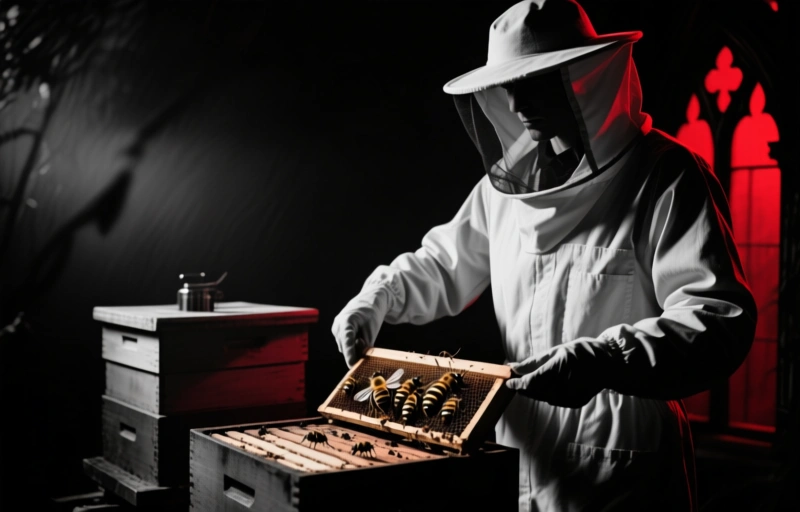
Professional beekeepers face constant threats from pests like Varroa mites and hive beetles. This guide outlines proactive, integrated pest management strategies that go beyond basic treatment to build sustainable hive defense systems for long-term apiary health.
Hey there. Let's talk about what really keeps us up at night in this business. It's not the paperwork or the early mornings—it's the constant battle against the tiny invaders that threaten our hives. You know the feeling. You've invested time, care, and resources into your apiaries, only to face threats that can undo all that hard work in a season. We're in this together, and today I want to share some practical, field-tested approaches that go beyond the basics.
### Understanding Your Primary Adversaries
First things first, we need to know what we're up against. It's not just about spotting a problem; it's about understanding its lifecycle, its weaknesses, and its behavior. The usual suspects are familiar, but their strategies are always evolving.
- **Varroa destructor mites:** These are public enemy number one. They're not just parasites; they're vectors for viruses that can collapse a colony from the inside out.
- **Small hive beetles:** Especially problematic in warmer climates, they can turn a healthy hive into a slimy mess in short order.
- **Wax moths:** They're often a secondary issue, but a severe infestation can destroy comb and stress a colony, making it vulnerable to everything else.
Recognizing the early signs of each is half the battle won. It's about regular, mindful inspections—not just a quick glance, but really looking.
### Moving Beyond Reactive Treatments
Here's where I see a lot of professionals get stuck. We fall into a pattern of reacting to problems as they flare up. An integrated pest management (IPM) approach flips that script. It's proactive, layered, and sustainable. Think of it as building a fortress with multiple walls, not just putting out fires.
One beekeeper I respect greatly once told me, *"The best treatment is the one your bees don't need because you never gave the pest a chance to establish."* That mindset shift is everything. It's about creating conditions in the hive that are unfavorable for pests and favorable for bees.
### Building Your Integrated Defense System
So, what does this layered defense look like in practice? It's a combination of cultural, mechanical, biological, and, when absolutely necessary, chemical controls. The goal is to minimize chemical interventions, which benefits the bees, the honey, and the environment.
Start with strong genetic stock. Queens from lines that show hygienic behavior and mite resistance are your foundation. Use screened bottom boards to disrupt the mite reproduction cycle—it's a simple mechanical control with a significant impact. Consider drone brood removal in spring; mites prefer drone cells, so this acts as a trap.
When treatments are needed, rotate your active ingredients. Mites can develop resistance, so using the same miticide season after season is a recipe for failure. Time your treatments based on monitoring, not the calendar. A sugar roll or alcohol wash gives you the data you need to make smart decisions, not guesses.
### The Professional's Mindset for Long-Term Success
This work isn't just a job; it's a stewardship. We're managing complex living systems. Success means looking at the whole picture—the apiary location, forage availability, hive density, and even your own record-keeping. Keeping detailed notes on what works and what doesn't for each apiary is your most valuable tool. It turns experience into expertise.
Remember, the landscape of pests is always changing. What worked perfectly three years ago might be less effective today. Stay connected with other professionals, attend workshops, and keep learning. Our shared knowledge is what moves the entire industry forward. The challenge is constant, but so is the opportunity to protect these incredible insects that do so much for our world.