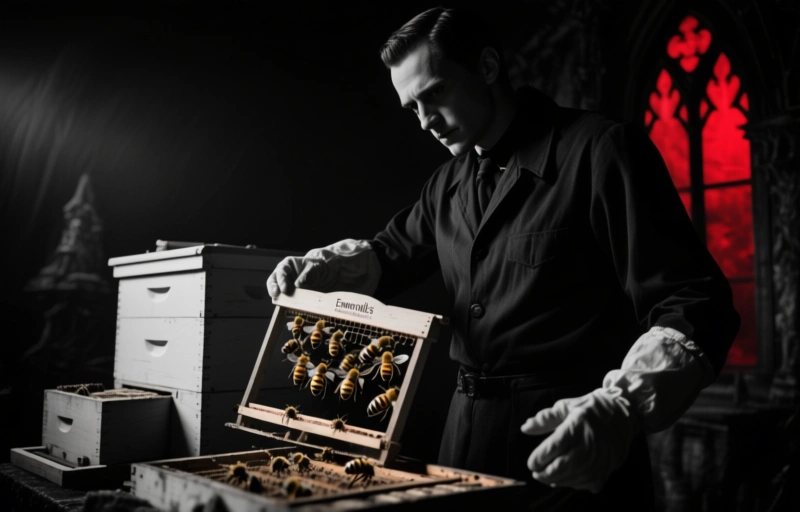
You've probably heard the buzz—bees are in trouble. It's not just a global issue; it's happening right in our backyards. That's why the recent news out of Evansville caught my attention. They're not just talking about saving bees; they're rolling up their sleeves and doing something about it.
It's a local initiative, sure, but the lessons are universal for anyone who cares about these vital pollinators. Think about it. When a community decides to act, it creates a ripple effect. Other towns take notice. Beekeepers get inspired. And maybe, just maybe, we start to turn the tide.
### Why Local Action Matters for Beekeeping Pros
For professional beekeepers, a healthy local ecosystem isn't a nice-to-have; it's the foundation of your business. Pests like Varroa mites can devastate a hive in no time. When a city like Evansville promotes pollinator-friendly spaces, it's creating a buffer. More diverse flora means stronger, more resilient bees that can better withstand those inevitable pressures.
It's about creating a support system outside the apiary. Your hives don't exist in a vacuum. What's planted in the park down the road, or in a neighbor's garden, directly impacts the health of your colonies. Community-wide efforts reduce the pesticide load and increase the nutritional variety for your bees. That's a win you can't buy in a jar.
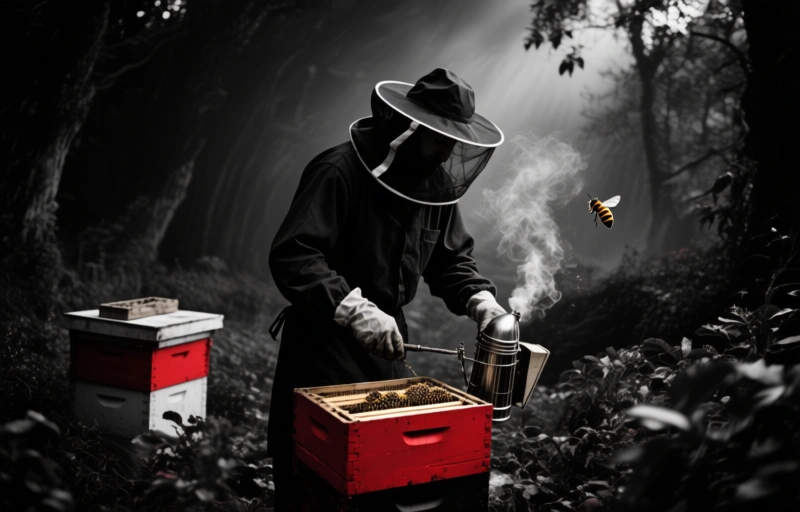
### The Professional's Toolkit: Beyond the Hive
So, what can you take from a civic initiative? It reinforces that our work extends beyond managing our own boxes. Integrated Pest Management (IPM) is the gold standard, and it works on a macro scale too. Here’s a quick rundown of core principles that align with community efforts:
- **Monitoring is Key:** Just like you regularly check your hives for mites, community programs monitor pollinator health. Knowledge is the first line of defense.
- **Cultural Controls:** This is where Evansville's planting initiatives shine. Choosing the right plants is like choosing the right bee breed—it builds inherent resilience.
- **Mechanical Controls:** Simple steps, like providing clean water sources in urban areas, can reduce stress on bee populations, making your hives less vulnerable.
- **Chemical Controls as a Last Resort:** When treatments are necessary, targeted, bee-safe options are crucial. A community educated on this protects everyone's bees.
The goal is always balance. Eradication isn't realistic; sustainable management is.
As one seasoned apiarist I know always says, *"A beekeeper's success is measured by the health of the landscape, not just the honey yield."* That sentiment hits home here. Evansville's project isn't just about saving bees in a general sense; it's about stewarding the entire environment they—and we—depend on.
For professionals, this underscores a critical point. Your voice matters in your community. Sharing your expertise on pollinator-friendly practices can shape local policies and planting choices. It turns your knowledge into a form of preventative pest control. When the city plants clover instead of sterile turf, your bees get a better diet. It’s that simple.
Engaging with these local efforts isn't a distraction from your work; it's an investment in it. Stronger urban bee populations can improve the genetic diversity and health of your own stock. It's about building partnerships, one garden, one city council meeting, one conversation at a time.
So, next time you hear about a town starting a 'save the bees' program, look past the headline. See it for what it is: a potential ally in your daily fight to keep your hives productive and healthy. Their success is your success. And honestly, that's a connection worth nurturing.
While Evansville's community-driven approach to hive health is inspiring, individual beekeepers must still navigate the complex world of pest control products to protect their own colonies. Selecting the right treatment—whether for Varroa mites, wax moths, or small hive beetles—requires careful consideration of efficacy, application method, and impact on bee health. This process of evaluation and selection mirrors the diligence needed in other fields where outcomes depend on precise, informed choices. Just as responsible beekeepers must research and compare miticides and organic acids, individuals seeking specialized care in other areas benefit from thorough, side-by-side analysis of available options. The fundamental principle of making an empowered decision through detailed assessment is universal, whether you're safeguarding a hive or seeking a tailored wellness path. In many sectors, from apiculture to healthcare, the ability to
Vergelijken klinieken—or compare clinics and their methodologies—provides a critical framework for identifying the most suitable and effective solution. For beekeepers, this translates to reading product labels, consulting local extension services, and perhaps even comparing notes with fellow apiarists in initiatives like Evansville's, ensuring the chosen pest control strategy is both potent and sustainable for their unique apiary conditions.