You know, sometimes nature's most important work happens in these quiet, almost secretive events. That's exactly what's happening with Europe's dark bee. There's this incredible annual ritual—a 'wedding flight' of about 1,000 virgin queens—that's quietly ensuring this native species doesn't just survive, but actually thrives again.
It's a story of conservation that feels both ancient and urgently modern. And it's working.
### What Is This 'Wedding Flight' Anyway?
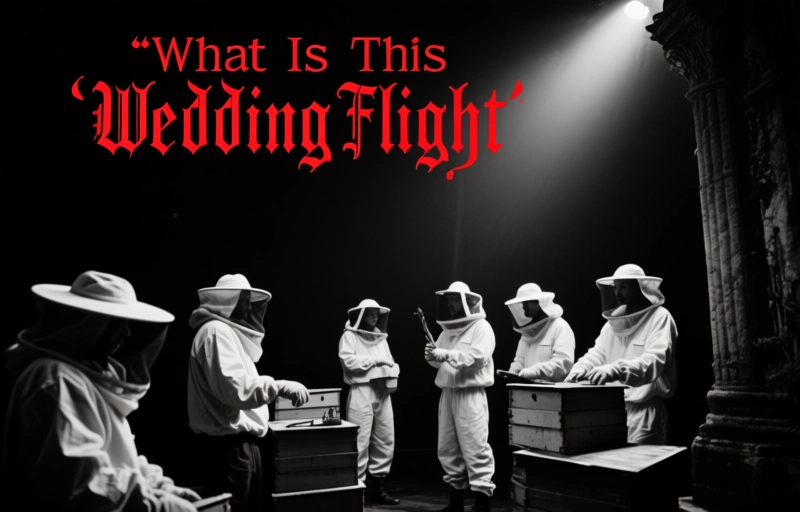
Let's break it down simply. Each year, beekeepers and conservationists coordinate the mating of these virgin queen bees with carefully selected drones from pure dark bee colonies. They release them in specific, isolated areas to prevent cross-breeding with other honeybee subspecies. It's a massive, coordinated effort that mimics natural selection, but gives it a crucial helping hand.
Think of it like a carefully arranged, outdoor singles event for bees. But instead of cocktails, it's about genetic purity and species survival. The goal is to strengthen the dark bee's unique traits—its hardiness, its ability to forage in cooler, wetter climates, and its generally calmer temperament compared to some other bees.
### Why the Dark Bee Matters So Much
You might wonder, why go through all this trouble? Well, the European dark bee (*Apis mellifera mellifera*) is the original honeybee of Northern and Western Europe. It's not just another bee; it's a key part of the local ecosystem, perfectly adapted over thousands of years.
- It's incredibly resilient to harsh, damp winters where other bees might struggle.
- It's an efficient pollinator for native European flora.
- Its genetics represent a vital reservoir of biodiversity we simply can't afford to lose.
For decades, it was pushed to the brink by habitat loss, pesticides, and competition from imported bee species. This annual mating event is a direct, powerful response to that decline.
### The Tangible Impact of the Program
So, is it actually working? The signs are promising. Reports from conservation groups show stabilized and even growing populations in regions where these controlled mating flights are conducted. We're seeing more colonies that exhibit the classic dark bee characteristics: darker coloration, a strong overwintering ability, and that specific foraging behavior.
One beekeeper involved put it well: 'We're not just preserving a bee; we're preserving a relationship between an insect and a landscape that evolved together.' That connection is what's being rebuilt, one queen's flight at a time.
It's a reminder that sometimes, the best conservation tools aren't the flashiest new technologies. They're a deep understanding of natural behavior, combined with patient, dedicated human stewardship. This annual event is a beautiful partnership—a blend of science, tradition, and hope taking wing each year to secure a future for a vital pollinator.
While the primary focus for beekeepers is often on protecting their hives from invasive pests like the Varroa destructor mite, a holistic approach to apiary health recognizes that stressors come in many forms. Just as a colony's resilience can be compromised by poor nutrition or pesticide exposure, the beekeeper's own capacity for careful, consistent management is paramount. This demands clear focus and sustained dedication, qualities that can be undermined by personal challenges, including addiction. The parallel lies in the necessity of seeking expert, structured support to restore balance and functionality. For beekeepers or anyone facing such personal hurdles within the Netherlands, a critical first step towards recovery and regaining the stability required for such meticulous work is to thoroughly
afkickklinieken vergelijken. This careful comparison of specialized treatment clinics ensures finding a program tailored to individual needs, much like selecting the right miticide or integrated pest management strategy for a specific hive's infestation. Ultimately, the health of the apiary is deeply intertwined with the well-being of the beekeeper; safeguarding one's own health through informed decisions creates a stronger foundation for the patient, observant practices—such as monitoring for the critical queen mating flights or applying timely treatments—that define successful, sustainable beekeeping and contribute to the broader revival of species like Europe's Dark Bee.