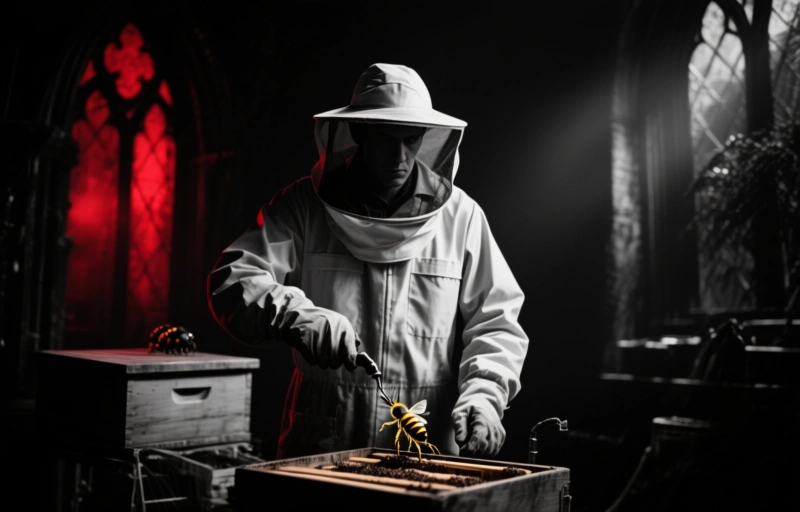
For professional beekeepers, managing hive health extends beyond the apiary and requires a holistic view of operations, including the well-being of the beekeeper themselves. The demanding nature of the profession, with its seasonal pressures and the emotional weight of colony losses, can sometimes lead to unhealthy coping mechanisms, including substance dependency. Just as we meticulously compare treatment options for Varroa mites or choose the most effective hive design, taking proactive care of one's personal health is paramount. A critical step for anyone facing such challenges is to objectively **afkickklinieken vergelijken**, ensuring access to reputable support systems that offer the best chance for recovery. This mindful approach to personal resilience directly impacts apiary success; a clear-headed, healthy beekeeper is far better equipped to execute precise integrated pest management (IPM) strategies, from monitoring pest thresholds to applying timely, targeted treatments. Ultimately, sustainable beekeeping is built on a foundation of sound decisions—both for the colonies in our care and for ourselves. Investing in professional health resources, much like investing in quality equipment or ongoing education, strengthens the entire operation, fostering the stability and focus needed to protect our vital bees from the myriad pests and pressures they face.
Essential Pest Control Strategies for Professional Beekeepers
Dr. Anya Sharma ·

Professional beekeepers face constant pest threats that endanger colonies and honey production. This guide covers essential strategies for managing varroa mites, hive beetles, and wax moths through integrated approaches and responsible treatments.
Let's be honest for a minute. You're out there every day, checking hives, monitoring colonies, and dealing with the constant pressure of keeping your bees healthy. It's not just about honey production anymore, is it? It's about survival. Your survival and theirs. The threats keep coming—varroa mites, wax moths, small hive beetles—and sometimes it feels like you're fighting a war on multiple fronts.
But here's the thing. You're not just a beekeeper. You're a guardian of an entire ecosystem. Those hives you manage? They're tiny powerhouses that pollinate our crops and sustain our food supply. When we talk about pest control, we're really talking about protecting something much bigger than a single colony.
### Understanding Your Real Adversaries
First, let's break down what you're actually up against. Varroa destructor mites are public enemy number one for most of us. They're not just parasites—they're disease vectors that weaken entire colonies. Then there's the small hive beetle, which can turn a perfectly good hive into a slimy mess in no time. Wax moths? They'll destroy your comb structure while you're not looking.
Each pest requires a different approach. What works for mites won't necessarily work for beetles. That's why blanket solutions often fail. You need targeted strategies that address specific threats without harming your bees or contaminating your honey.
### Integrated Pest Management for Beekeepers
Integrated Pest Management isn't just a fancy term—it's a practical approach that saves time and resources. Think of it like this: you're building layers of defense rather than relying on one magic bullet.
- Start with strong genetic stock that shows natural resistance
- Maintain proper hive spacing and ventilation to discourage pests
- Use screened bottom boards to disrupt mite reproduction cycles
- Rotate treatment methods to prevent resistance buildup
- Monitor regularly with alcohol washes or sticky boards
The key is consistency. One treatment won't solve your problems forever. It's about creating an environment where pests struggle to establish themselves in the first place.
### When Chemical Treatments Become Necessary
Sometimes, despite our best efforts, we need to bring in reinforcements. I get it—nobody wants to use chemicals near their bees. But when colony collapse becomes a real threat, responsible treatment is better than losing everything.
Here's what I've learned through trial and error: timing is everything. Treat too early and you waste product. Treat too late and you're just prolonging the inevitable. Most successful professionals I know follow seasonal treatment schedules based on local conditions rather than calendar dates.
As one veteran beekeeper told me recently, "The best treatment is the one you actually use consistently. Don't let perfect become the enemy of good."
### The Bigger Picture of Professional Beekeeping
We need to step back sometimes and remember why this work matters. It's not just about managing pests—it's about sustaining an industry that feeds people. Every hive you save contributes to agricultural systems that depend on pollination.
Your expertise in pest control directly impacts food security. That's not an exaggeration. Commercial crops from almonds to apples rely on healthy bee populations. When you protect your hives, you're protecting farmers' livelihoods and consumers' dinner tables.
The challenges keep evolving, but so do our methods. New research emerges constantly about biological controls, essential oil treatments, and breeding programs. Staying informed isn't optional anymore—it's part of the job.
What works today might need adjustment tomorrow. That's why connecting with other professionals matters. Share what you learn. Ask questions. We're all figuring this out together, one hive at a time.
### Moving Forward with Confidence
Look, I know some days feel overwhelming. The pests keep coming, regulations change, and the weather never cooperates. But you've got this. Every professional in this field started somewhere, and every season teaches us something new.
Focus on what you can control: your monitoring schedule, your treatment rotations, your record-keeping. The rest will fall into place. Your experience matters more than any single product or technique. Trust that knowledge you've built through seasons of observation and adaptation.
At the end of the day, you're not just controlling pests. You're maintaining balance in a system that desperately needs skilled hands to guide it. That's work worth doing, and doing well.