Essential Pest Control Strategies for Professional…
William Williams ·
Listen to this article~4 min
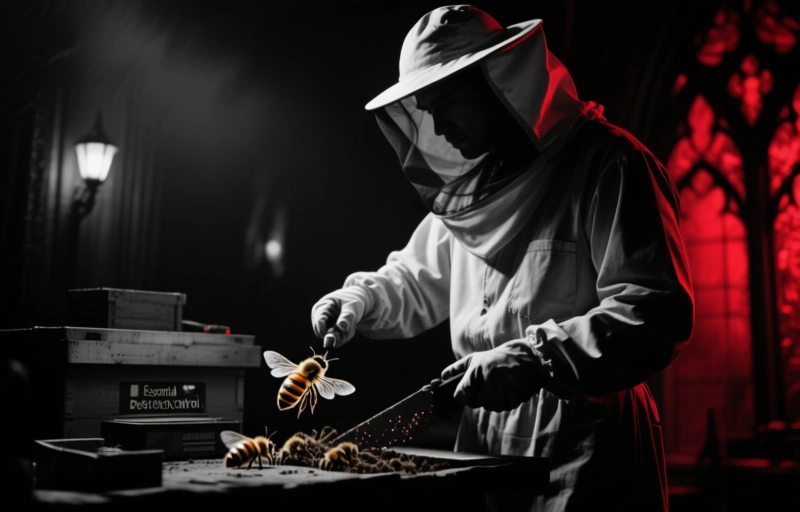
Professional beekeeping requires advanced pest management. This guide covers essential IPM strategies against varroa mites, hive beetles, and wax moths to protect your apiary investment.
Let's be honest—pest management in beekeeping isn't just another task on the list. It's the difference between thriving hives and heartbreaking losses. If you're reading this, you already know the stakes. You've probably seen what varroa mites can do, or watched wax moths destroy precious comb. It's frustrating, isn't it? We pour our time and care into these colonies, only to have unseen invaders undermine everything.
But here's the thing. Effective pest control isn't about declaring war on every creepy-crawly. It's about smart, sustainable strategies that protect your bees without harming them in the process. It's a balancing act, and getting it right means understanding both the threats and your tools.
### Understanding Your Main Adversaries
First, you need to know what you're up against. The usual suspects are familiar, but their impact can sneak up on you.
- **Varroa destructor mites** are public enemy number one. They're not just sucking hemolymph; they're vectoring viruses that cripple entire colonies. You can't afford to ignore them.
- **Small hive beetles** love stressed colonies. They'll slip in, lay eggs, and turn your beautiful comb into a slimy, fermenting mess almost overnight.
- **Wax moths** are the opportunists. They target weak hives or stored equipment, tunneling through wax and leaving webs of destruction.
- **Ants and wasps** might seem like minor nuisances, but during a dearth, they can overwhelm a hive's defenses and rob it clean.
Knowing the enemy is half the battle. The other half is having a plan that actually works month after month.
### Building an Integrated Pest Management Plan
Throwing chemicals at a problem is a short-term fix with long-term consequences. Resistance builds, residues accumulate, and you can weaken the very bees you're trying to protect. Integrated Pest Management (IPM) flips the script. It's a layered approach.
Start with strong genetics. Queens from hygienic stock can detect and remove mite-infested brood before the parasites even mature. It's a natural defense system you breed right into your apiary.
Cultural controls are your next layer. That means keeping a tidy bee yard—no old comb or equipment lying around to attract pests. It means maintaining strong, populous colonies that can defend themselves. A weak hive is a neon sign for every pest in the county.
Monitoring is non-negotiable. You can't manage what you don't measure. Regular alcohol washes or sugar rolls for varroa give you hard data. Sticky boards under screened bottom boards can help too. Don't guess; know your mite load.
As one seasoned keeper put it, 'The best treatment is the one you apply at the right threshold, not the one you apply on a calendar.' That's the IPM mindset.
### When and How to Use Interventions
Even with the best prevention, sometimes you need to intervene. This is where precision matters. If your monitoring shows varroa levels crossing the economic threshold, it's time to act.
Consider softer options first. Formic acid or oxalic acid treatments, when applied correctly according to temperature and colony strength, can be highly effective with fewer resistance issues. They're tools, not miracles.
Timing is everything. Treating when there's little to no brood gives miticides their best shot at the phoretic mites on adult bees. Think late fall or early spring. Rotate your treatment types to prevent pests from adapting.
And always, always read the label. It's not just bureaucracy; it's the instruction manual for keeping your bees safe during the process.
Pest control for professionals isn't about finding a single magic bullet. It's about building a resilient system—one with strong bees, vigilant monitoring, and targeted actions. It's a continuous conversation with your hives, listening to what they tell you and responding with care. That's how you protect your investment and ensure your bees keep buzzing, season after season.