Essential Pest Control Strategies for Professional…
William Williams ·
Listen to this article~3 min
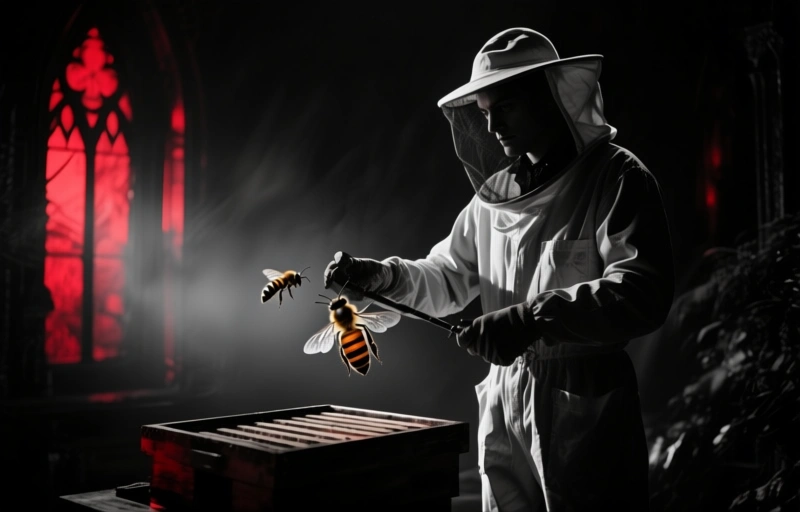
Professional beekeepers face constant pest challenges. This guide covers essential IPM strategies, seasonal management, and practical interventions to protect colonies and livelihoods effectively.
Let's be honest—pest management isn't the glamorous part of beekeeping. But it's the part that determines whether your colonies thrive or collapse. You're not just protecting bees; you're safeguarding an entire ecosystem and your livelihood. We'll walk through the practical realities of keeping hives healthy in a world full of threats.
### Understanding Your Primary Adversaries
You know the usual suspects, but let's break down why they're so persistent. Varroa mites aren't just parasites; they're vectors for viruses that can decimate a colony in weeks. Small hive beetles aren't merely annoying—their larvae can turn beautiful comb into a slimy, fermented mess. Then there's wax moth, which seems to appear overnight in weakened colonies. Knowing their life cycles is half the battle won.
### Integrated Pest Management for Apiaries
IPM isn't a fancy term—it's a mindset. It means working smarter, not just harder. Start with monitoring. Regular inspections aren't optional; they're your early warning system. Use sticky boards for mite counts. Keep those hive tools clean between inspections. Strong colonies resist pests better, so focus on queen quality and nutrition first. Sometimes the best defense is a thriving, populous hive.
- Rotate treatment methods to prevent resistance
- Use drone comb removal for organic mite control
- Maintain proper hive spacing and ventilation
- Keep apiary areas clean and free of debris
### Chemical vs. Non-Chemical Interventions
This is where things get real. Chemical treatments work, but they come with trade-offs. Timing is everything—apply at the wrong moment and you harm bees or contaminate honey. Non-chemical options like screened bottom boards, drone trapping, and essential oil treatments require more labor but offer peace of mind. As one veteran beekeeper told me, 'The goal isn't to eliminate every pest, but to keep them below economic threshold levels.'
### Seasonal Pest Management Calendar
Spring brings its own challenges—increased mite reproduction as brood expands. Summer means small hive beetles love the heat and humidity. Fall is critical for mite treatment before winter cluster forms. Winter might seem quiet, but wax moths can still damage stored equipment. Each season demands a different approach, and missing one window can set you back months.
### Record Keeping and Adaptation
You can't manage what you don't measure. Keep simple records—treatment dates, mite counts, what worked and what didn't. Share findings with other professionals. The pest landscape changes constantly, and yesterday's solution might not work tomorrow. Stay connected with extension services and research updates. This work is never static, and neither should your strategies be.
Ultimately, pest control in beekeeping is about balance. It's about knowing when to intervene and when to let the bees handle it themselves. It's about protecting your investment while respecting the natural resilience of these incredible insects. The best pest management doesn't just save bees—it makes you a better, more observant beekeeper.