Essential Pest Control Strategies for Professional…
William Williams ·
Listen to this article~4 min
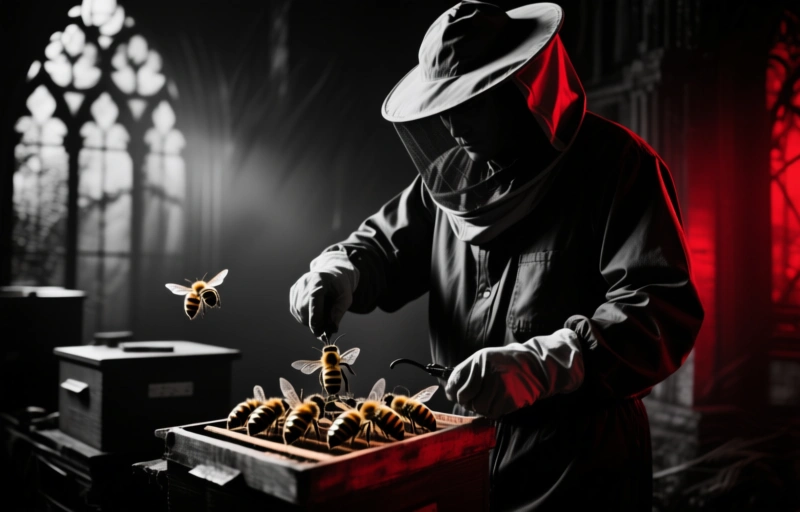
Professional beekeepers need advanced pest control strategies. Learn to recognize early warning signs, build integrated management plans, and develop seasonal approaches that protect hive health naturally.
Hey there. Let's talk about what's really happening in your hives. You know the feeling—you do your regular inspections, everything looks fine on the surface, but something just feels off. That quiet unease is often the first sign that pests are getting a foothold. It's not about panic; it's about paying attention to the subtle shifts.
We've all been there. You're checking frames, the bees are busy, but the population growth isn't quite right. Or maybe you're seeing more debris on the bottom board than usual. These small details are your hives whispering to you. The key is learning to listen before they start shouting.
### Recognizing Early Warning Signs
Pests don't announce their arrival with a billboard. They creep in. Varroa mites are the obvious concern, but they're not the only players. You might notice:
- Small hive beetles lurking in corners
- Wax moth larvae webbing in stored comb
- Unusual bee behavior like excessive grooming
- Spotty brood patterns that don't match your queen's usual work
These signs can be easy to miss if you're rushing through inspections. Slow down. Really look. That extra five minutes per hive could save you months of recovery work later.
### Building Your Integrated Pest Management Plan
Reactive treatments are like putting out fires. What we need are fireproof buildings. Your IPM strategy should be layered, like an onion. Start with strong genetics—bees that show natural pest resistance. Then add cultural controls like screened bottom boards and proper hive spacing.
Mechanical controls come next. Drone brood removal for varroa management, beetle traps, and regular comb rotation. Only then, as a last resort, should you reach for chemical treatments. And even then, choose the softest options that get the job done. Rotate treatments to prevent resistance.
As one seasoned beekeeper told me recently, 'The best pest control happens when the bees barely notice we're helping.' That's the goal—supporting their natural defenses without disrupting the colony's rhythm.
### The Seasonal Approach to Pest Pressure
Your pest management shouldn't be static. It needs to dance with the seasons. Spring is about monitoring buildup as colonies expand. Summer focuses on preventing population explosions. Fall is critical—this is when you set up your bees for winter success by reducing pest loads.
Winter might seem quiet, but it's when you plan. Review your notes from the past season. What worked? What didn't? Which hives struggled most with pests? This off-season reflection is where real improvement happens.
### Creating a Monitoring Routine That Works
Consistency beats intensity every time. Develop a simple but thorough monitoring system you'll actually use. Maybe it's sticky boards under screened bottoms every two weeks during peak season. Perhaps it's alcohol washes at key points in the brood cycle.
Keep a notebook—digital or old-school paper, whichever you'll actually update. Record not just mite counts, but everything: weather during inspection, bee temperament, nectar flow status. Over time, patterns emerge that help you predict problems before they arrive.
### When to Intervene (And When to Wait)
This is the art of beekeeping. Treatment thresholds exist for a reason, but they're guidelines, not gospel. A colony with 3% mite infestation in August needs immediate attention. That same count in December might be manageable. Consider the colony's strength, the time of year, and what resources are available.
Sometimes the best action is selective breeding. If a colony consistently shows high pest resistance with minimal intervention, that's your future stock. If another always struggles despite your best efforts, maybe it's time to combine or requeen.
Remember, you're not just fighting pests. You're cultivating resilience. Each decision either strengthens or weakens that resilience. Choose the path that builds up your bees' natural abilities while providing support when they truly need it. That balance is what separates good beekeepers from great ones.