Essential Pest Control Strategies for Modern Beekeepers
William Williams ·
Listen to this article~4 min
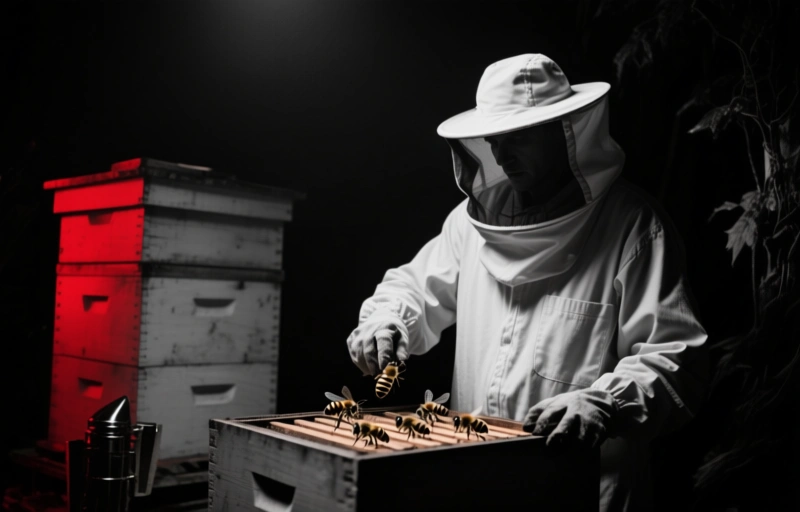
Modern beekeeping demands advanced pest control strategies. This guide covers integrated pest management, practical tools, and building hive resilience for sustainable apiary health and the future of the profession.
Hey there. If you're reading this, you probably already know the stakes. Keeping hives healthy isn't just a hobby—it's a frontline defense for our food system. And let's be honest, the pests aren't getting any easier to manage. We're talking about a constant, evolving battle under the lid of every hive.
It's not just about saving bees. It's about sustaining an entire profession. The next generation of beekeepers is watching, and they need strategies that work without breaking the bank or the environment. So, let's talk real-world pest control. Not the textbook version, but the stuff that actually works when your hands are sticky and the sun's going down.
### Understanding the Modern Pest Landscape
First things first. You can't fight what you don't understand. The pest scene has changed. It's not just Varroa mites anymore, though they're still public enemy number one. We're seeing new pressures, from small hive beetles to wax moths, all thriving in different conditions.
The key is integrated pest management. That's a fancy term for using every tool in the box, but smartly. It means knowing when to intervene and when to let the bees handle it themselves. Because sometimes, they're better at it than we are.
Here’s the core of a solid IPM approach for beekeepers:
- Regular monitoring is non-negotiable. You need a schedule and you need to stick to it.
- Know your treatment thresholds. When is a pest population actually dangerous?
- Rotate your treatments. Pests build resistance, just like bacteria to antibiotics.
- Always have a biological option in your plan. Strong, healthy bees are their own best defense.
### Practical Tools for the Toolbox
Alright, let's get specific. What are you actually supposed to do? Well, it starts with observation. I mean real observation. Not just a quick glance, but sitting with a hive, watching the traffic, looking for the subtle signs—bees with deformed wings, too many drones in the fall, odd spotting on the larvae.
Treatment isn't a one-size-fits-all game. What works in one apiary might fail in another, just a few miles away. Local conditions matter. Humidity, forage, even the genetics of your local bee population change the equation.
As one seasoned apiarist I respect always says, "The best treatment is the one you apply correctly at the right time." It sounds simple, but how many times have we rushed it or used the wrong dose? Guilty.
### Building Resilience for the Long Haul
This is the part we often skip. Pest control isn't just about killing invaders today. It's about building hives that can withstand them tomorrow. That means selecting for hygienic behavior, promoting genetic diversity, and managing your apiary location.
Think of it like building an immune system. You want bees that can fight back. That means sometimes accepting a low level of pests, because constant, heavy treatment creates weak bees. It's a balance, a tightrope walk over every frame.
We're also stewards. The chemicals we use, the methods we choose, they don't just affect our hives. They ripple out. So choosing sustainable methods isn't just good ethics; it's good business. The next generation expects it, and frankly, the planet needs it.
The future of beekeeping depends on us getting this right. It's about smart, sustainable management that protects both the bees and the people who care for them. Let's pass on knowledge that works, not just quick fixes that fade.