Essential Pest Control Strategies for Beekeepers
William Williams ·
Listen to this article~6 min
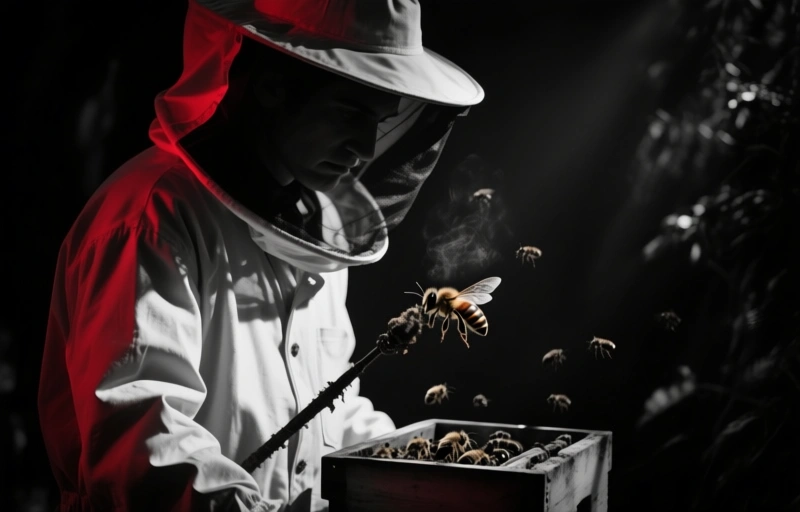
Professional beekeepers face constant threats from Varroa mites, hive beetles, and other pests. This guide covers essential integrated pest management strategies, seasonal approaches, and practical controls to protect your colonies year-round.
Let's talk about what keeps beekeepers up at night. It's not just about honey yields or queen health—it's the constant battle against pests that threaten our hives. If you're managing colonies professionally, you know this isn't a hobbyist's concern. This is the frontline of apiary survival.
We're going to walk through the core principles of effective pest management. Think of it as your field manual, stripped of academic jargon and filled with practical insights you can use today. Because when Varroa mites show up or wax moths invade, theory won't save your bees.
### Understanding Your Primary Adversaries
First, you need to know what you're fighting. The pest landscape has changed dramatically in recent years. It's not just about one or two threats anymore—it's a complex ecosystem of invaders each requiring specific strategies.
- **Varroa destructor mites**: These are public enemy number one. They weaken bees by feeding on their fat bodies and spread viruses like deformed wing virus. Monitoring is non-negotiable—alcohol washes or sugar rolls should be routine.
- **Small hive beetles**: Particularly problematic in warmer climates. They'll ruin comb, contaminate honey, and can cause entire colonies to abscond if left unchecked.
- **Wax moths**: They're opportunists targeting weak colonies. While strong hives can usually fend them off, any colony under stress becomes vulnerable.
- **American foulbrood**: This bacterial disease requires immediate, drastic action. Once confirmed, burning equipment is often the only safe option to prevent spread.
What's fascinating is how these pests interact. A hive weakened by Varroa becomes more susceptible to everything else. It's a cascade effect that can collapse even well-established operations if you're not vigilant.

### Building Your Integrated Pest Management System
Integrated Pest Management (IPM) isn't just a buzzword—it's your strategic framework. The goal isn't eradication (that's usually impossible) but sustainable control that keeps colonies healthy without creating resistant super-pests.
Start with cultural controls. Strong colonies are your best defense. That means good nutrition, adequate space, and regular requeening before colonies become problematic. I always say, "A crowded hive is a stressed hive, and stress invites trouble."
Mechanical controls come next. Screened bottom boards help with Varroa monitoring and create less favorable conditions for mites. Beetle traps work wonders for small hive beetles. Even simple things like keeping apiaries clean of burr comb and debris reduce pest habitat.
Biological controls are where things get interesting. Some beekeepers are experimenting with beneficial fungi that target Varroa without harming bees. Others use drone comb removal to disrupt mite reproduction cycles. Nature often provides solutions if we're patient enough to find them.
> "The most effective pest control begins long before you see the first mite. It's in how you manage every aspect of your operation throughout the year."
Chemical treatments should be your last resort, not your first response. When you do use them, rotate between different classes of treatments to prevent resistance. Always follow label instructions precisely—bees are incredibly sensitive, and what helps at one dose can harm at another.
### Seasonal Strategies That Actually Work
Your approach needs to change with the seasons. Spring buildup requires different tactics than winter preparation. In early spring, focus on monitoring and supporting colony growth—strong spring colonies will better handle summer pest pressures.
Summer is when most pests peak. Increase your inspection frequency. Watch for those telltale signs: bees with deformed wings, small beetles scurrying in corners, unusual debris on bottom boards. Early detection makes all the difference.
Fall is treatment time for many operations. You're preparing colonies for winter, and that means reducing Varroa loads before bees cluster. This is when many beekeepers apply their most aggressive treatments, knowing there won't be another opportunity until spring.
Winter might seem quiet, but it's when you plan for next year. Review what worked and what didn't. Order equipment. Connect with other professionals to share insights. The off-season is when strategies are born.
### The Professional's Mindset
Here's the uncomfortable truth: complete pest elimination is a fantasy. What we're really managing is equilibrium. Your goal is to keep pest populations below economic injury levels while maintaining colony health and productivity.
Document everything. Which treatments worked in which conditions? How did weather affect pest pressures? What patterns are emerging across your operation? This data becomes your most valuable asset over time.
Stay connected with the beekeeping community. New threats emerge constantly—like the Tropilaelaps mite that's spreading globally. Information sharing among professionals is our collective early warning system.
Remember, you're not just fighting pests. You're managing complex biological systems. Sometimes the best action is patience and observation. Other times, it's immediate, decisive intervention. Learning to tell the difference—that's the art of professional beekeeping pest control.
Your colonies depend on your judgment. Build that judgment through experience, stay current with research, and never stop learning from both successes and failures. The bees are counting on you.