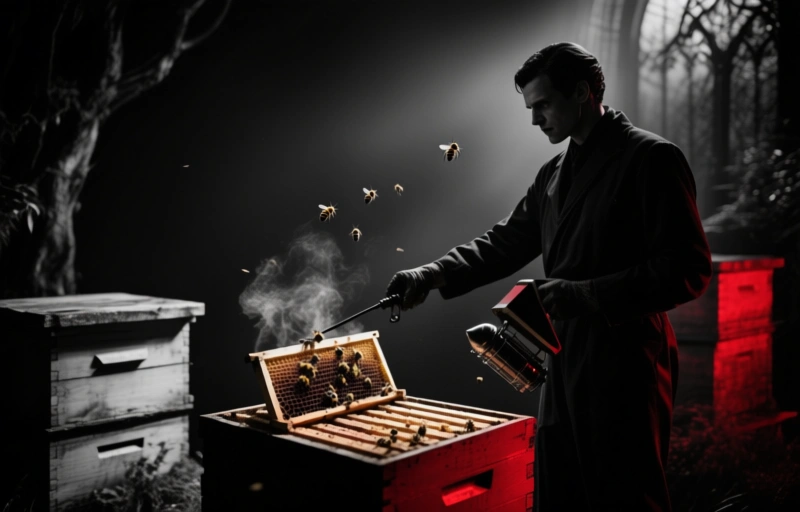
Discover targeted, effective pest control strategies for beekeepers. Learn how an integrated approach protects hive health and promotes explosive colony growth, moving beyond one-size-fits-all solutions.
You know, keeping a hive healthy isn't just about putting out a box and hoping for the best. It's a constant conversation with a living, breathing superorganism. And just like any complex system, it faces threats. That's where smart pest control comes in. It's not about waging chemical warfare. It's about targeted, strategic support that lets your bees do what they do best.
Think of it this way. You wouldn't use a sledgehammer to hang a picture. So why blanket your hive with harsh treatments when a precise, integrated approach works better? The goal is resilience, not just a quick fix. We're building a fortress the natural way.
### The Core Principles of Hive Defense
First off, let's ditch the one-size-fits-all mindset. What works for a backyard hive in Florida might be overkill for a northern apiary. Your strategy needs to fit your local conditions, your bee breed, and the specific pests knocking on your door. It starts with observation. Get to know your bees' normal behavior so you can spot trouble early.
Strong colonies are your first line of defense. A populous, well-nourished hive can often fend off minor infestations on its own. That means good nutrition, a clean water source, and managing your space to prevent overcrowding and stress. Prevention is always cheaper and easier than a cure.

### Building Your Integrated Pest Management Toolkit
So, what's in the toolbox for a modern beekeeper? We're looking at a layered approach. Here are some key categories to consider:
- **Mechanical Controls:** Simple, physical barriers. Think screened bottom boards to disrupt the life cycle of Varroa mites. Or entrance reducers to keep out larger invaders like mice and wasps. Sometimes the low-tech solution is the most elegant.
- **Biological Controls:** Using nature's own checks and balances. Certain strains of beneficial fungi can target pests without harming your bees. Some beekeepers introduce predatory mites that feed on harmful ones. It's about working with the ecosystem, not against it.
- **Soft Chemical Treatments:** When necessary, we use the gentlest effective options. These are often organic acids or essential oil formulations like thymol. The key is timing and dosage—applying them when the brood cycle is right to maximize impact on pests and minimize stress on the colony.
A mentor of mine once said, 'The best treatment is the one you don't have to use.' That stuck with me. It's about creating an environment where pests struggle to gain a foothold in the first place.
### Making the Right Choice for Your Apiary
Choosing a product can feel overwhelming. You'll see all sorts of claims on labels. My advice? Start by identifying your primary threat. Is it Varroa destructor? Small hive beetles? Wax moths? Get a positive ID, then research the options specifically for that pest.
Read the labels, not just the marketing. Check the active ingredients, the application method, and any temperature restrictions. Talk to other beekeepers in your area. What's working for them? Local knowledge is pure gold. And always, always rotate your treatments. Using the same product season after season is a fast track to building pest resistance.
Remember, you're not just applying a product. You're making a management decision that affects your bees' health for weeks or months. It's a big responsibility. But when you see a strong, vibrant colony bringing in pollen on a spring morning, you'll know that careful, informed choice was worth every second.
Related: Vergelijken klinieken.