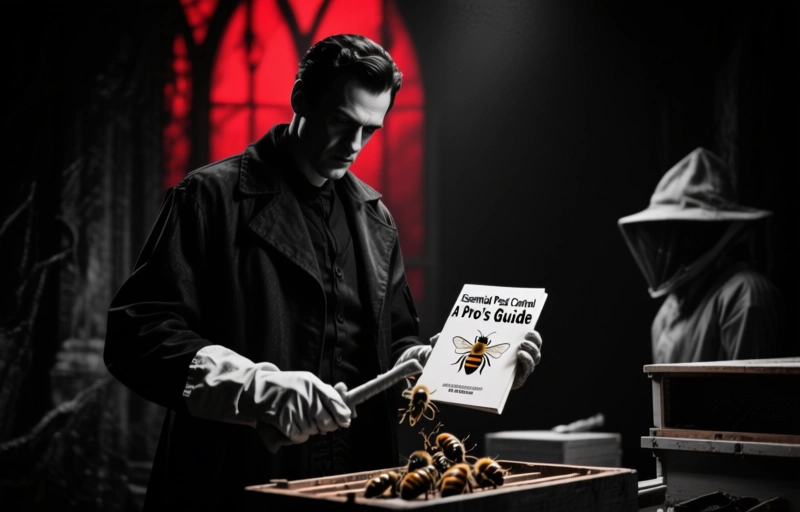
Discover proactive pest management strategies for beekeepers. Learn why holistic hive health, beyond just products, is key to sustaining colonies and preventing infestations long-term.
Let's talk about keeping your bees healthy. It's not just a job; it's a responsibility. When you're managing hundreds of colonies, like the incredible folks at Black Hammock Bee Farms with their 500 colonies and 550 rescues a year, you learn a thing or two. The secret? It's not a single magic product. It's a mindset.
Proactive, integrated pest management is everything. It's the bedrock of a thriving apiary. Think of it like building a strong immune system for your entire operation.
### Building Your Pest Management Toolkit
Sure, you need the right tools in your shed. Formic acid strips for tackling those relentless varroa mites are a classic. Certified organic treatments have their place too, especially if you're marketing your honey a certain way. But here's the thing I've learned—the philosophy has to extend way beyond the hive walls.
A truly resilient operation looks at the whole picture. It asks: what's happening in the environment around my bees?
- Are the forage areas clean, free from harmful systemic pesticides that slowly weaken bee immune systems?
- Am I planting diverse, pesticide-free flora to support them?
- Is my approach treating the root cause of stress, or just slapping a bandage on the symptoms?
This holistic view is a game-changer. It applies to so much more than beekeeping, honestly. The principle of addressing core issues is universal.

### The Comparison Mindset for Success
Just like a responsible beekeeper spends time researching and comparing treatment options—looking for the most effective and sustainable solutions—applying that same comparative diligence pays off in other areas. It's about making informed choices, not quick, desperate fixes.
In our world, that means a few non-negotiable practices. You've got to monitor pest levels regularly, not just when you see a problem. Rotate your treatment products to prevent pests from building resistance. And always, always prioritize methods that support long-term colony vigor.
It's a marathon, not a sprint. A healthy colony can withstand more, produce more, and contribute more to the ecosystem. That's the ultimate goal, right?
### Moving Beyond Quick Fixes
I'll tell you, the temptation for a quick fix is always there. A new spray, a potent powder. But the best beekeepers I know resist that. They understand that a strong hive starts with a healthy environment and a thoughtful, layered defense.
It's about creating conditions where pests are managed, not just annihilated in a way that might harm the bees you're trying to protect. It's a balance. A careful, informed dance. And it requires you to stay curious, keep learning, and be willing to adapt your methods.
Because at the end of the day, whether you're safeguarding thousands of bees or just a few backyard hives, informed decision-making is what leads to sustainable success. It's what turns a struggle into a thriving, buzzing testament to your care and effort.
Related: afkickklinieken vergelijken.