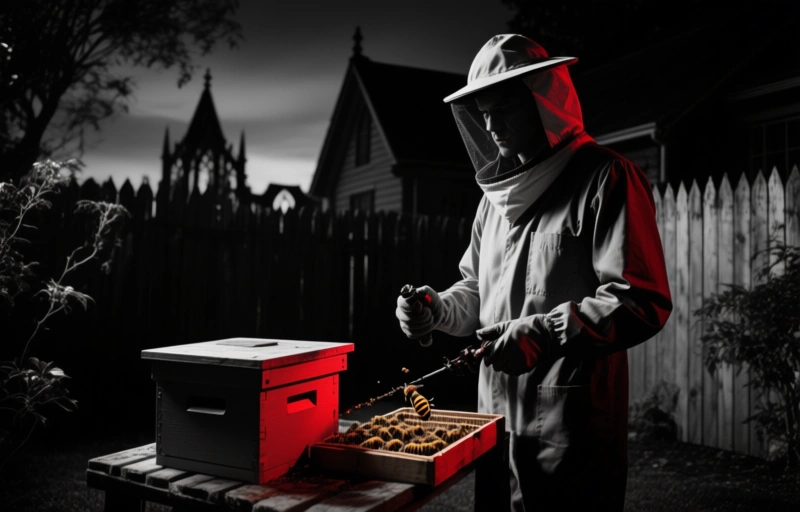
Starting with bees is just the beginning. Learn the essential pest control strategies every backyard beekeeper needs to protect their hive from threats like Varroa mites and ensure a healthy, productive colony.
So you've got your bees, maybe from a great supplier like Great Lakes Bee Company. That's the exciting first step. But let's be real—keeping those bees healthy and productive is where the real work begins. And honestly, it all hinges on one thing: smart pest control.
Think of it like this. You wouldn't bring a new puppy home without a plan for fleas and ticks, right? It's the same for your hive. Starting with strong bees is fantastic, but their long-term success is on you.
### The Biggest Threat in Your Hive
The main villain for most beekeepers is the Varroa destructor mite. It's tiny, but it's devastating. These mites latch onto your bees, weakening them and spreading viruses. If you ignore them, you can lose an entire colony. It's that serious.
Vigilant monitoring is non-negotiable. You need to check regularly, not just when things look bad. Many of us use sticky boards or alcohol washes to get a real mite count. Knowing your enemy's numbers is half the battle.

### Building Your Defense Strategy
Throwing chemicals at the problem isn't the answer. The smart move is something called Integrated Pest Management, or IPM. It's a fancy term for using a mix of common-sense tactics.
This combines things you do, like removing drone brood where mites love to breed, with careful treatments when you need them. It's about being strategic, not reactive. The goal is to manage pests while keeping your bees—and your honey—as healthy as possible.
When it's time to treat, you've got options. It can feel overwhelming.
- **Organic Acids:** Things like oxalic acid and formic acid. They can be very effective but require careful timing and handling.
- **Essential Oils:** Blends like thymol. They're a gentler option, but their effectiveness can vary.
- **Synthetic Miticides:** These are the heavy-duty options. They work well but you have to be mindful of resistance and residue in your wax.
The key is to research. How do you apply it? When is the best time of year? Will it taint your honey? These aren't questions you want to figure out after you've already treated.
> "Choosing a pest control method is a commitment to your hive's future. It requires the same careful thought you'd give to any important decision for your family's well-being."
### How to Choose the Right Product
Don't just grab the first bottle you see. Your local beekeeping association is a goldmine of information. What's working for others in your area? University extension programs often publish fantastic, unbiased studies.
Some beekeepers even run their own tests. They'll use one product in Hive A and another in Hive B to compare results over a season. It's a bit of work, but you get real, firsthand data.
Always, always prioritize the well-being of your bees. A stressed colony is an unproductive one. Your pest control plan should protect them, not just attack the mites.
Remember, this is a journey. You'll learn and adapt each season. Start with a solid plan, stay observant, and don't be afraid to ask for help. Your bees—and your future honey harvest—will thank you for it.
Related: Vergelijken klinieken.