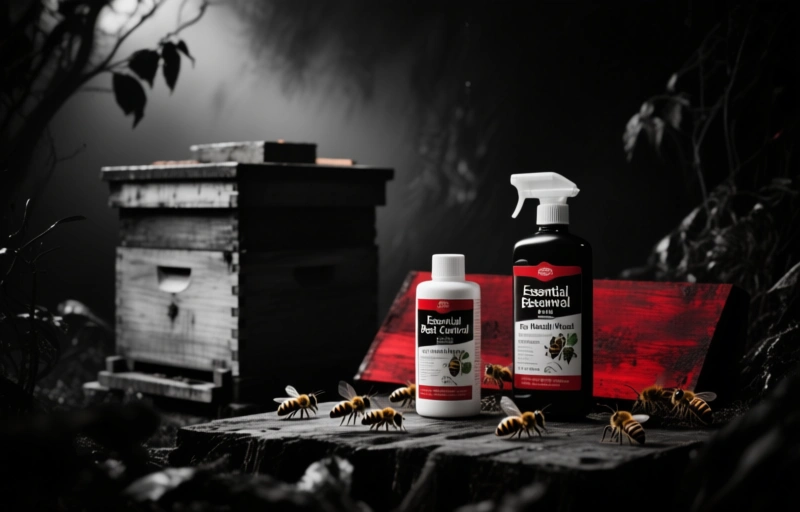
Discover essential beekeeping pest control strategies, from formic acid pads to screened bottom boards. Learn how to protect your hive's health with informed, gentle management practices that prioritize colony safety.
You know, keeping bees healthy isn't just about the honey. It's a constant, careful dance with nature. And one of the biggest challenges any beekeeper faces, whether you're part of a campus club or managing a backyard apiary, is pest control. It's the quiet, unseen work that makes all the difference between a thriving colony and a struggling one.
Let's talk about why this matters so much. A hive is a complex, living system. When pests like Varroa mites get a foothold, they can devastate an entire colony in just a season or two. It's heartbreaking to watch. That's why proactive, informed management isn't just a good idea—it's essential stewardship.
### The Core Principles of Hive Pest Management
Think of it like this: you wouldn't use a sledgehammer to fix a watch. The same goes for your bees. The goal is to protect them without harming them. You want to be precise, gentle, and effective. It's about finding the right tool for the specific problem, at the right time.
This means moving away from harsh, broad-spectrum chemicals whenever possible. Instead, we focus on integrated pest management. It's a fancy term for a simple idea: use multiple, targeted strategies that work together. You create an environment where pests can't thrive, while giving your bees every advantage to stay strong.
### Key Products for Your Beekeeping Toolkit
So, what does this look like in practice? Here are some of the foundational products every beekeeper should know about and consider.
- **Formic Acid Pads:** These are a go-to for many beekeepers dealing with Varroa mites. They work through vaporization inside the hive, reaching mites even in the sealed brood cells where they hide. It's a powerful tool, but timing and temperature are critical—you typically apply them when daytime highs are between 50°F and 85°F.
- **Screened Bottom Boards:** This is a brilliant piece of passive defense. It replaces the solid wooden floor of the hive with a screen. Mites that naturally fall off the bees drop through the screen and out of the hive, unable to climb back up. It's a simple, non-chemical way to reduce mite loads.
- **Oxalic Acid Vapor/Solution:** Another organic acid treatment, effective against Varroa. It's often used as a winter treatment when the colony is broodless, as it only affects mites on the adult bees. Safety gear is a must when handling it.
- **Hive Health Inspection Checklist:** This isn't a product you buy, but it might be the most important tool you have. A regular, systematic check helps you spot problems early. Look for things like irregular brood patterns, deformed wings on bees, or a high mite count on a sticky board.
There's a powerful idea here that extends beyond the apiary. The careful, comparative approach a beekeeper uses—weighing treatment options, reading studies, talking to other keepers—is a model for making any important decision. It's about gathering clear information, understanding the specifics of your situation, and choosing a path that's tailored, evidence-based, and sustainable.
Whether you're safeguarding a colony or making any other complex choice, success hinges on that diligent process of research and comparison. The work of caring for a hive teaches us that the foundation of health in any system is informed, attentive stewardship. It's a lesson in patience, observation, and choosing the right intervention at the right moment.
Related: afkickklinieken vergelijken.