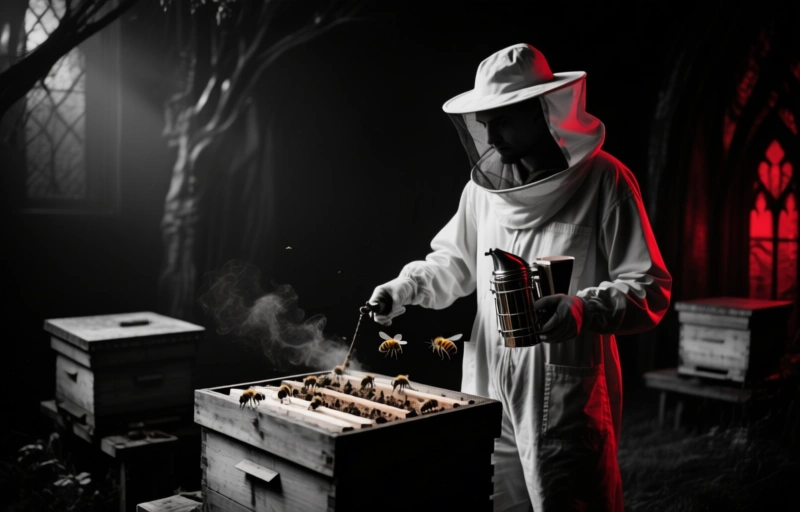
A highway bee spill highlights the need for proactive hive defense. Learn essential strategies against Varroa mites, hive beetles, and wax moths to protect your colony's health year-round.
Picture this: a semi-truck flips over, and thousands of bees spill onto a highway. It's a wild scene, right? For a beekeeper, it's the ultimate logistical nightmare. But that dramatic image points to something much quieter and more critical that every beiarist deals with year-round: proactive pest and disease management.
Waiting for a crisis is like trying to recapture a whole hive from an interstate. It's messy, stressful, and often too late. The smart approach is consistent, integrated strategies. It's about staying ahead of the threats, not just reacting to them.
### The Main Threats to Your Hives
Your bees face some serious adversaries. The biggest one? Varroa destructor mites. These tiny parasites are public enemy number one. Then you've got small hive beetles that can ruin comb and honey. Don't forget about wax moths, either. Their larvae can chew through frames and cause a real mess.
It sounds like a lot, I know. But managing these pests is absolutely doable with the right plan.
### Building Your Defense Strategy
So, what does a good defense look like? It's not just one thing. It's a combination of methods.
- **Mechanical Controls:** Start with screened bottom boards. They help with mite monitoring and can reduce mite populations naturally. Sticky traps are great for catching small hive beetles before they become a major problem.
- **Cultural Practices:** Keep a clean apiary. Strong, healthy colonies are your best defense. Regularly check your hives—every 7 to 10 days during peak season is a good rule of thumb.
- **Chemical Controls (When Needed):** Sometimes, infestations get ahead of you. That's when approved miticides come in. The key is choosing the right product for the specific infestation level and the time of year.
You always have to prioritize the health of the colony. And you must follow those label instructions to the letter. The last thing you want is to contaminate your honey or harm your bees.
> "Selecting the right pest control is about protecting the future of the hive. It requires careful comparison and a commitment to the colony's well-being."
This principle of careful selection isn't unique to beekeeping. Think about it. Whether you're safeguarding a hive or making a major decision about personal health, the process is similar. You research, you compare options, and you choose the path that offers the best chance for a good outcome.
It's all about making an informed choice. That's true for a beekeeper comparing mite treatments, and it's true for anyone evaluating important services. The goal is always sustainable health.
### Putting It All Together
Your pest management shouldn't be a once-a-year thing. It's a continuous cycle of monitoring, prevention, and targeted action. Check those sticky traps. Do an alcohol wash or a sugar roll to check your mite count. Keep notes on what you see.
When you do need to treat, rotate your products if possible. This helps prevent pests from building up resistance. And remember, the best time to treat is often when you don't see a huge problem yet. Prevention is always cheaper and easier than a cure.
It comes down to being a diligent steward of your hives. By building a solid, multi-layered defense, you give your bees the best possible chance to thrive. You're not just fighting pests; you're creating the conditions for a strong, productive colony. And that's the real goal, isn't it?
Related: afkickklinieken vergelijken.