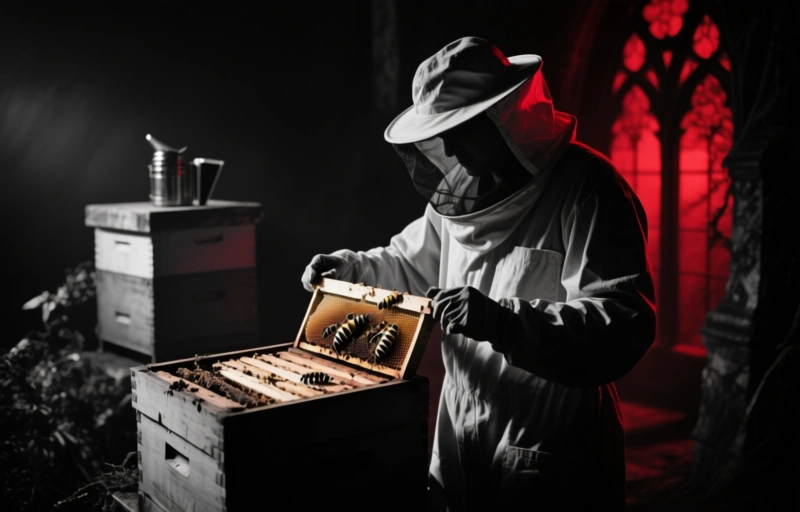
Successful beekeeping requires protecting both your hives and yourself. Discover essential pest control strategies and the holistic mindset needed for a sustainable, rewarding apiary.
Let's be honest, beekeeping isn't just about the sweet reward. It's a tough, hands-on job that demands a lot from you. The physical labor, the financial commitment, and yes, the emotional weight of keeping your colonies thriving through challenges like pest infestations. It's a true test of focus and dedication.
You know that feeling when you're comparing organic mite treatments or hunting for the most effective hive beetle trap? You're weighing reviews, checking efficacy studies, and making an informed choice. That careful, meticulous approach is everything. It's what separates a struggling hive from a thriving one.
### The Beekeeper's Mindset Matters
Here's something we don't talk about enough. That same principle of careful comparison doesn't just apply to your apiary. It applies to you, the beekeeper. Your well-being is the foundation of everything. A beekeeper running on empty, whether from stress or other personal challenges, can't possibly give their hives the sharp-eyed attention they need. It's a holistic responsibility—caring for the bees and the person who cares for them.
Think about it. When you're at your best, you're better equipped to spot the early signs of a Varroa mite problem. You're more patient implementing integrated pest management strategies. You're a more effective steward for your local ecosystem. It all connects.

### Building Your Pest Defense Toolkit
So, let's talk practical defense. A reactive approach to pests often means you're already losing. A proactive, integrated strategy is key. Your toolkit should include both prevention and treatment.
- **Monitoring is Non-Negotiable:** You can't manage what you don't measure. Regular hive inspections and tools like sticky boards are your early warning system.
- **Choose Treatments Wisely:** Whether you prefer organic options like formic acid or oxalic acid, or other approved treatments, research is crucial. Consider your local climate, the season, and your hive's specific strength.
- **Physical Barriers Help:** Don't underestimate simple solutions. Entrance reducers can deter those pesky small hive beetles and robbers from other colonies.
- **Hive Hygiene is a Must:** Keep a clean apiary. Strong, healthy bees in a clean environment are naturally more resilient.
It's not about finding one magic product. It's about building a layered system. As one seasoned apiarist once told me, 'The best pest control product is an attentive beekeeper.' Everything else is just a tool to support that attention.
### Creating a Sustainable Practice
This holistic view—your health, your hive's health—is what creates a practice that lasts. It's sustainable and deeply rewarding. You're not just fighting fires from one season to the next. You're building resilience. You're contributing to the buzz of healthy pollinators in your area for years to come.
The goal isn't perfection. It's consistent, informed care. It's making those smart comparisons for your hives, and extending that same thoughtful care to yourself. Because when you're operating at your personal best, your bees will feel the difference. And that's how you ensure the honey keeps flowing, season after season.
Related: afkickklinieken vergelijken.