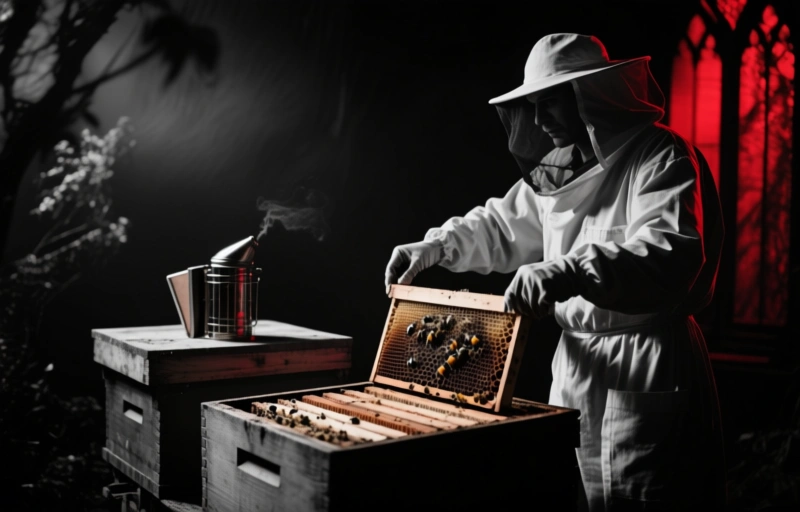
Forget disaster scenarios. Real beekeeping success is built on daily prevention. Discover the modern, proactive pest control strategies that keep hives healthy and resilient against threats like varroa mites and hive beetles.
Picture this for a second: a semi-truck rolls over on an Oregon highway, and millions of bees scatter everywhere. It's a beekeeper's worst nightmare, right? But here's the thing—real apiary management isn't about reacting to disasters. It's about the quiet, daily work of prevention. And at the heart of that work is proactive pest control.
Healthy hives are resilient hives. It's that simple. When your bees are strong, they can handle a lot more stress, whether it's a weird weather pattern or the constant pressure from pests. But you've got to give them that fighting chance first.
### The Modern Beekeeper's Toolkit
Gone are the days of one-size-fits-all solutions. Today, we have a whole suite of tools. Think of it like a carpenter's belt—you need the right tool for the specific job.
- **For Varroa Mites:** This is public enemy number one for most beekeepers. Integrated Pest Management (IPM) is your best friend here. It's not about nuking the hive with chemicals; it's about a smart, layered defense.
- **For Small Hive Beetles:** These little invaders can wreck a hive fast. The good news? There are effective organic treatments and traps that can keep them in check without harming your bees.
- **For Wax Moths & Others:** Prevention is key. Strong colonies, proper hive spacing, and good sanitation go a long, long way.
The trick is making informed choices. You need products that actually work on the specific threat you're facing, but that are also safe for your precious colony and the wider environment. It's a balance.
### Why Careful Comparison Matters
Let's be honest, choosing a pest control product can feel overwhelming. You're bombarded with options, each claiming to be the best. I get it. But this step—the research, the comparison—it's everything.
It's the difference between a thriving hive and a struggling one. It's about reading labels, understanding active ingredients, and listening to what other experienced beekeepers are saying. Don't just grab the first bottle you see.
> "Success in beekeeping hinges on choosing the right support for your hive's specific needs. It's a principle that applies to so much more than just honeybees."
That idea of careful selection? It's a universal truth. Whether you're protecting a hive or seeking support for a personal challenge, the process is similar. It starts with knowledge. It requires sifting through options without rushing. Your goal is to find the system—the product, the method, the plan—that offers the best chance for long-term health and stability.
So, while the image of a highway covered in bees is dramatic, your real power as a beekeeper is in the calm, consistent choices you make every single week. Inspect your hives. Monitor pest levels. Choose your treatments wisely. That's how you build vitality that lasts for seasons to come. Your bees are counting on you to be their first and best line of defense.
Related: afkickklinieken vergelijken.