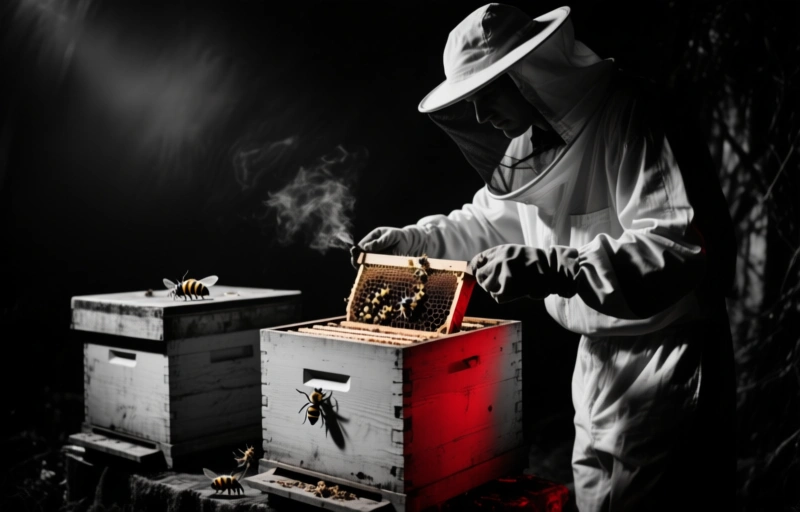
Protecting your bees goes beyond mites. Learn about hidden environmental threats and how to build a layered defense with the right pest control products and practices for a resilient hive.
You know, keeping bees healthy is about so much more than just the honey. It's a constant, careful dance with nature. Sure, everyone talks about the big threats like Varroa mites and wax moths. And they're right to. But if you're only looking inside the hive, you're missing half the picture.
The world outside your apiary is full of invisible dangers that can quietly sabotage your colony's health. It's a holistic thing. You've got to think about the entire environment.
### The Hidden Threats Beyond the Hive
We often focus on the pests we can see crawling on the frames. But some of the most damaging invaders are the ones you can't see. Agricultural pesticide drift is a huge one. A neighbor sprays a field a mile away, and the wind carries it right to your foraging bees. It's devastating and often completely out of your direct control.
But it goes even further than that. Did you know substances like nicotine from tobacco plants can contaminate nectar? Or that traces from certain human medications can end up in pollen sources? Bees are incredible collectors, but they bring back everything—good and bad. Maintaining a truly healthy hive means being a detective for your bees' surroundings.

### Creating a Sanctuary for Your Bees
This idea of a safe, controlled environment is universal. It applies to so much more than beekeeping. Think about it. Whether it's bees or people, the right setting is foundational for health and recovery. It's all about informed choices and finding the right, dedicated support system.
For your apiary, that means proactive management. It means selecting the right location, using the right tools, and having a solid plan for when things go wrong. Your pest control strategy shouldn't start when you see mites. It should be a year-round shield.
Here’s a quick list of non-chemical environmental checks every beekeeper should make:
- Scout the land within a 2-mile radius for major agricultural activity.
- Note any potential sources of industrial or chemical runoff.
- Provide a clean, consistent water source on your property to keep bees from drinking elsewhere.
- Plant diverse, pesticide-free forage to give bees healthier options.
As one seasoned beekeeper I know always says, *"A healthy hive starts with a healthy home field."* It's about controlling what you can to protect them from what you can't.
### Your Action Plan for Hive Defense
So, where do you start? First, accept that pest control is layered. You need products for the direct threats inside the hive, and you need practices for the indirect threats outside.
For internal pests like Varroa, you've got options. Some beekeepers swear by organic acids, others use targeted miticides. The key is to monitor regularly and rotate treatments to prevent resistance. Don't just treat on a calendar schedule—test, then treat based on actual infestation levels.
For wax moths and small hive beetles, strong colonies are your best defense. A populous, active hive will police itself. But traps and hive maintenance are your backup. Keep your equipment clean and stored properly in the off-season.
The real game-changer, though, is integrating these tools into a complete system. It's not about one magic product. It's about building resilience from the ground up. That means choosing the right pest control products is a critical, research-heavy task. You need to compare efficacy, application methods, and suitability for your specific climate and hive style.
Ultimately, safeguarding your bees is an act of informed stewardship. It requires vigilance, a willingness to learn, and the humility to know you can't control everything—just create the best possible conditions for them to thrive. Your reward isn't just more honey; it's the deep satisfaction of nurturing a thriving, resilient colony season after season.
Related: afkickklinieken vergelijken.