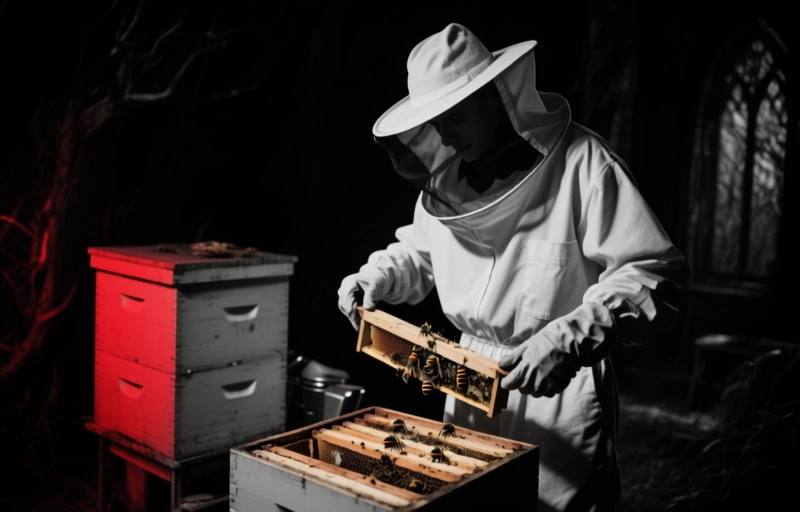
Managing pests like Varroa mites is critical for beekeepers. Learn how to choose the right control products, from synthetic miticides to organic acids, by comparing efficacy, application, and hive impact for sustainable colony health.
If you're a beekeeper, you know the feeling. You check your hive, hoping for a bustling, healthy colony, and instead you spot the signs of an infestation. It's a gut punch. Pests like the dreaded Varroa mite aren't just a nuisance—they're a direct threat to the survival of your bees. Managing them isn't a one-time task; it's a critical, ongoing part of your stewardship.
Choosing the right pest control product feels overwhelming, doesn't it? You're balancing efficacy, ease of use, and the well-being of your bees. It's a lot like making any important health decision. You have to weigh the options, understand the trade-offs, and pick the path that's right for your specific situation.
### Understanding Your Pest Control Options
Broadly speaking, you've got a few main categories to consider. Each has its place in an integrated pest management (IPM) strategy.
- **Synthetic Chemical Treatments:** These are your powerful, often prescription-grade miticides like Amitraz or Fluvalinate. They're highly effective but come with strict usage guidelines to prevent resistance and hive contamination. Think of them as the strong medicine you use carefully and sparingly.
- **Organic Acids:** Options like oxalic acid and formic acid are popular. They're considered 'softer' chemicals that occur naturally. They can be very effective, especially in cooler temperatures, but require precise application to avoid harming the bees themselves.
- **Essential Oil & Botanical Solutions:** Thymol-based products fall here. They're derived from thyme oil and work by disrupting the mites' nervous systems. They're a gentler, more natural approach, though their efficacy can vary with climate and hive strength.
### Building a Smart Pest Management Plan
Jumping straight to the strongest chemical isn't always the best move. A savvy beekeeper starts with monitoring and softer interventions. It's about working *with* the hive's biology.
First, know your enemy. Regular monitoring with a sugar shake or alcohol wash test tells you your mite load. If it's low, you might start with mechanical controls.
"Sometimes, the best first step is a non-chemical one," says Dr. Anya Sharma. "Techniques like drone brood removal or using a powdered sugar roll can reduce mite numbers without introducing any substances into the hive."
This phased approach—monitor, use soft controls, then apply treatments only when necessary—is the heart of IPM. It protects your bees' long-term health and helps slow pesticide resistance in the mite population.
### Making the Final Choice for Your Hive
So, how do you decide? Start by talking to local experts or your beekeeping association. They know what works in your specific climate and what local mite resistance looks like. Consider your hive's strength and the season. A weak hive in fall might need a different approach than a strong one in spring.
Always, always read the label. Follow the dosage, timing, and temperature instructions to the letter. The goal isn't just to kill mites today; it's to ensure your colony is thriving and resilient for seasons to come. That's the true mark of a dedicated beekeeper—making informed, careful choices for the health of the hive.
Related: Vergelijken klinieken.