Effective Pest Control Strategies for Modern Beekeeping
William Williams ·
Listen to this article~5 min
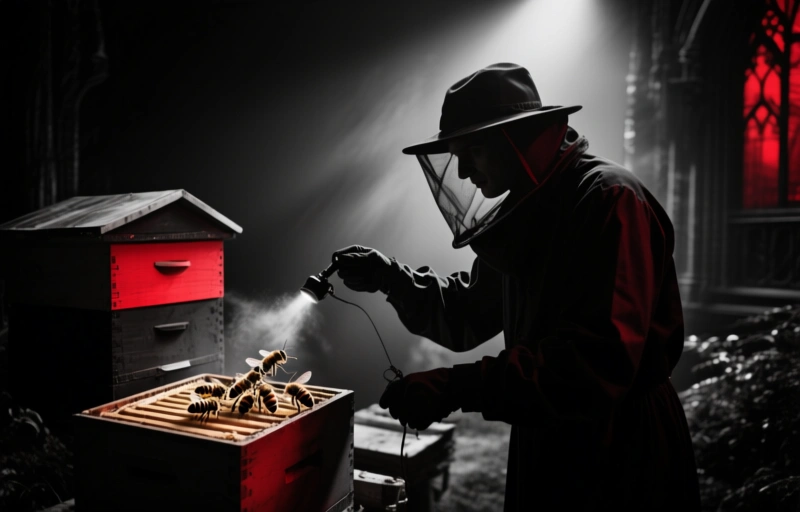
Explore proactive pest management strategies for beekeepers. Learn to identify threats like varroa mites and small hive beetles, and build an integrated defense system to protect your hives and ensure colony health.
Hey there, fellow beekeepers. Let's talk about something that keeps us all up at night—pests. You know the feeling. You check your hives, and there it is. Something's off. Maybe it's varroa mites, small hive beetles, or wax moths. It's a constant battle, but it's one we can win with the right approach.
I've been in this field for years, and I've seen what works and what doesn't. The key isn't just reacting to problems. It's about building a system that prevents them in the first place. Think of it like this: you're not just a beekeeper; you're a guardian of a tiny, buzzing ecosystem.
### Understanding Your Main Adversaries
First, let's break down who we're up against. The usual suspects are pretty well-known, but their strategies evolve.
- **Varroa Destructor Mites:** These are public enemy number one. They weaken bees by feeding on their fat bodies and spread viruses. You'll see deformed wings, reduced lifespan in your workers, and eventually, colony collapse if left unchecked.
- **Small Hive Beetles:** They're sneaky. The adults lay eggs in the hive, and the larvae tunnel through comb, destroying everything. They thrive in stressed colonies and love damp conditions.
- **Wax Moths:** They're more of a secondary issue, often moving into already weakened hives. The larvae eat beeswax, pollen, and even bee brood, leaving a mess of webbing and debris behind.
Knowing what you're looking for is half the fight. Regular, careful inspections are non-negotiable. Don't just glance; really look.
### Building a Proactive Defense System
Reactive pest control is exhausting. You're always playing catch-up. A proactive system is different. It's about creating an environment where pests struggle to get a foothold.
Strong, healthy colonies are your best defense. It sounds simple, but it's true. A thriving bee population can groom themselves and each other, effectively reducing mite loads. They'll also keep the hive clean and well-ventilated, making it less inviting to beetles and moths.
Queen quality matters more than we sometimes admit. A vigorous, productive queen from mite-resistant stock can make your management efforts ten times easier. She keeps the brood nest tight and the population booming.
### Integrated Pest Management for Bees
This is where we get strategic. Integrated Pest Management, or IPM, isn't a single product. It's a philosophy. You use a combination of cultural, mechanical, biological, and, when absolutely necessary, chemical controls.
**Cultural controls** are your foundation. This includes things like maintaining proper hive spacing for sunlight and air flow, using screened bottom boards to let mites fall through, and practicing good apiary hygiene. Keep your equipment clean and stored properly.
**Mechanical controls** are your hands-on tools. This is using drone brood removal to trap mites, employing beetle traps with oil or diatomaceous earth inside the hive, or freezing drawn comb to kill wax moth eggs. It's physical intervention.
As one seasoned keeper once told me over a cup of coffee, "The best treatment is the one you don't have to use because your bees are too strong to need it."
**Biological controls** are gaining ground. Some folks are having success with beneficial nematodes for soil-dwelling beetle larvae or using fungal treatments specifically targeted at varroa. These options are worth researching as part of a broader plan.
**Chemical controls** are your last line of defense. If you must use them—and sometimes you must—rotate your treatments. Mites can build resistance frighteningly fast. Always follow the label to the letter, and never treat during a honey flow. Your goal is to support the hive, not contaminate it.
### Making a Plan That Works for You
Here's the thing: there's no universal solution. Your location, your bee genetics, and your local climate all play a role. What works for a keeper in one region might be less effective for you.
Start with monitoring. Use an alcohol wash or a sticky board to get an accurate mite count. Don't guess. Know your numbers. Then, build your seasonal management calendar around those findings. Schedule your inspections, your drone frame rotations, and your potential treatments in advance.
It's a marathon, not a sprint. Some years will be better than others. The pests are adapting, so we have to adapt faster. Share what you learn with other local keepers. Compare notes. We're all in this together, trying to protect these incredible insects that do so much for our world.
So take a deep breath. Look at your hives not as a collection of problems waiting to happen, but as a living system you can nurture and defend. With careful observation and a layered approach, you can keep the buzz going strong, season after season.