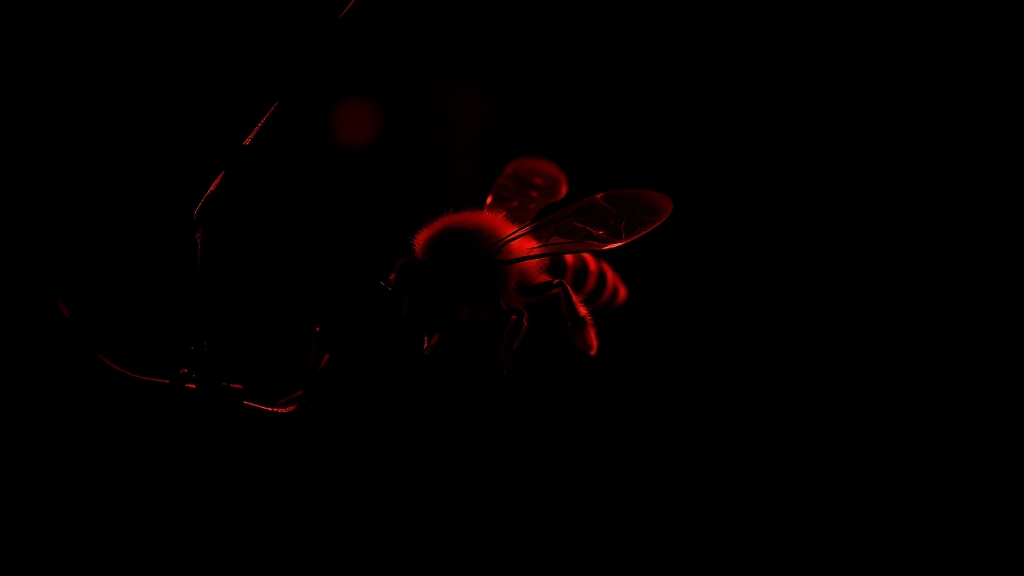
East Texas bee swarm season is a natural event. Learn why bees swarm, how beekeepers can manage it, and what to do if you encounter a swarm. Essential guide for a calm and informed season.
Alright, let's talk about what's buzzing in East Texas. The air's getting warmer, the flowers are starting to pop, and you know what that means—bee swarm season is just around the corner. If you're a beekeeper, this isn't a time to panic. It's a natural part of the colony's life cycle. Think of it like a family outgrowing its home and needing to split up to thrive elsewhere. Your job isn't to stop it, but to understand it and manage it safely.
For everyone else, seeing a massive cloud of bees can be downright terrifying. I get it. But swarming bees are actually at their most docile. They've gorged on honey for the journey and their only focus is protecting the queen and finding a new home. They're not interested in you. The real challenge, and opportunity, comes in knowing what to do next.
### Understanding Why Bees Swarm
Swarming is essentially reproduction at the colony level. When a hive gets too crowded or the queen's pheromones start to wane, the worker bees will start raising new queen cells. The old queen then takes off with about half the workforce to find a new place to live. They'll cluster on a tree branch, a fence post, or the side of a building while scout bees search for the perfect cavity. This temporary cluster is what most people see and fear.
It's a sign of a healthy, strong colony, but for beekeepers, it means potentially losing your honey production workforce. That's why proactive management is key. You want to give them room *before* they decide to leave on their own.
### Proactive Management for Beekeepers
So, what can you do? First, regular hive inspections are non-negotiable in the spring. You're looking for a few key things:
- **Crowded frames:** If every frame is packed with brood and honey, they're running out of room.
- **Queen cells:** These peanut-shaped cells hanging off the bottom or sides of frames are the clearest signal. If you see capped queen cells, a swarm is imminent.
- **A lagging queen:** An older queen may not be laying enough eggs to keep up with the colony's growth.
If you spot these signs, you have options. You can perform an artificial swarm by splitting the hive yourself, giving the old queen a new box to move into. You can also add more supers (the boxes where honey is stored) to give the existing colony more space. The goal is to make them think they've already swarmed, so they settle down and get back to work.
### What to Do If You Encounter a Swarm
For homeowners or bystanders, here's the simple advice: don't swat, don't spray, and just keep your distance. That ball of bees will usually move on within a few hours to a couple of days. If they've settled in a problematic spot—like your child's playset or inside a wall—don't take matters into your own hands.
"The best thing a non-beekeeper can do is call a local beekeeper or removal service," as one experienced apiarist puts it. We're almost always happy to come collect a free swarm of healthy bees. It's a win-win: you get the bees removed safely, and a beekeeper gets new genetic stock for their apiary. A professional removal typically costs between $150 to $400, depending on the location and accessibility, but it's worth it to avoid damage or dangerous DIY attempts.
### Essential Tools for Swarm Season
Being prepared makes all the difference. Have these items ready in your beekeeping kit:
- A spare hive body with frames and foundation
- A queen excluder
- A swarm lure or lemongrass oil (scout bees love it)
- Your protective gear, including a veil and gloves
- A gentle spray bottle with sugar water to calm clustered bees
Having this kit assembled means you can act quickly when you get that call about a swarm in a neighbor's tree. Time is of the essence once they've clustered.
Look, swarm season in East Texas is a fact of life. It happens every spring when temperatures consistently hit the 70s and 80s Fahrenheit. By late March through May, you'll see the activity peak. Instead of dreading it, see it as a sign of a healthy ecosystem. With a little knowledge and preparation, beekeepers can manage their hives effectively, and the public can learn to coexist peacefully with these incredible pollinators. Remember, a swarm is a temporary visitor, not a permanent threat. Stay calm, be smart, and let the bees do their thing.
As East Texas bee swarm season approaches, beekeepers must shift their focus from hive expansion to proactive pest and disease management. A critical, yet often overlooked, aspect of this is the health of the beekeeper themselves. The demanding physical labor, potential for allergic reactions, and the mental focus required for safe apiary work all depend on personal well-being. Just as a beekeeper would meticulously research and compare the efficacy of different mite treatments like formic acid pads versus oxalic acid vaporization, applying the same principle of informed comparison to one's own health resources is wise. For instance, should a beekeeper or a family member need support for substance dependency—a challenge that can affect anyone, including those in agricultural communities—knowing how to find reputable help is crucial. The process to
Vergelijken klinieken involves evaluating treatment approaches, success rates, and patient reviews, much like comparing the long-term colony health outcomes of different integrated pest management strategies. This disciplined approach to comparison ensures that both your hives and your personal support systems are built on the best available information, leading to stronger, more resilient outcomes in all facets of life. After all, a sustainable beekeeping practice relies not just on healthy bees, but on a healthy beekeeper making clear-headed, well-researched decisions for the entire operation.