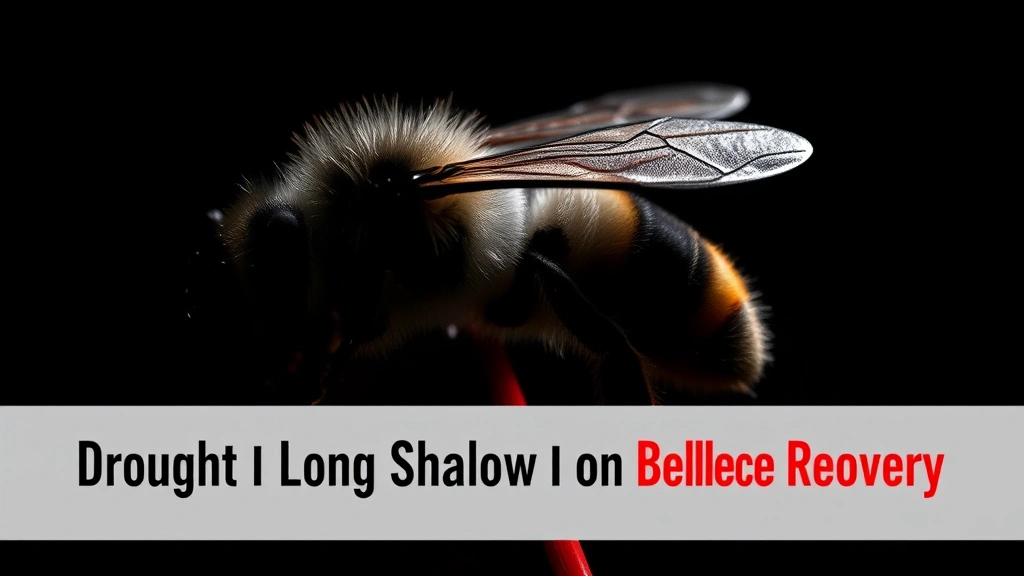
Drought isn't just a dry spell for bumble bees—it can set their recovery back by years. Learn how this impacts pollinators and what you can do to help.
You might think a little dry spell is no big deal for a bumble bee. But new research shows that drought isn't just a temporary inconvenience for these fuzzy pollinators—it can set them back for years. And that's a problem we can't afford to ignore.
Let's dig into what's really happening. A recent study published in *Entomology Today* found that bumble bee populations hit by severe drought take much longer to bounce back than we'd hoped. We're talking about recovery periods that stretch far beyond a single season. It's like trying to rebuild a whole town after a hurricane, except the town is a colony of bees and the hurricane is a lack of rain.
### Why Drought Hits Bumble Bees So Hard
Drought doesn't just dry up the ground—it dries up the food supply. Bumble bees rely on a steady stream of nectar and pollen from flowers. When rain is scarce, plants produce fewer blooms, and the ones that do appear offer less nutrition. This creates a domino effect:
- Less food means smaller colonies
- Smaller colonies means fewer new queens produced
- Fewer queens means less genetic diversity
- Less diversity means the whole population is more vulnerable
It's a brutal cycle. And because bumble bees are already facing threats from pesticides, habitat loss, and climate change, drought just adds more pressure.
### The Numbers Tell a Story
Here's where it gets real. Researchers tracked bumble bee populations across multiple sites in the United States, looking at data over several years. They found that after a severe drought, it took an average of three to five years for bee numbers to return to pre-drought levels. In some cases, recovery took even longer. That's a long wait when you're a bee trying to survive.
Think about it like this: if you had a garden that got wiped out by a flood, you'd replant and hope for the best next season. But for bumble bees, there's no replanting. They have to rely on nature to slowly rebuild the floral resources they need. And that takes time—time they might not have.
> "Drought doesn't just kill flowers. It disrupts the entire rhythm of a bumble bee's life." — Dr. Anya Sharma
### What This Means for Beekeepers and Pollinator Advocates
If you're keeping bees or working to protect pollinators, this research is a wake-up call. It means that drought isn't just a short-term problem you can wait out. It has long-term consequences that ripple through the ecosystem.
So what can you do? Start by planting drought-resistant flowers that bloom at different times of the year. Native plants are your best bet—they're adapted to local conditions and provide reliable food even when rain is scarce. Also, consider setting up shallow water sources for bees. A simple dish with pebbles and water can make a huge difference during a dry spell.
And here's the thing: we can't control the weather, but we can control how we prepare. By creating resilient habitats now, we give bumble bees a fighting chance when the next drought hits.
### The Bigger Picture
This isn't just about bees. Bumble bees are crucial pollinators for crops like tomatoes, peppers, and blueberries. Their decline doesn't just hurt the bees—it hurts our food system. Every time a drought delays their recovery, we're one step closer to a less stable agricultural future.
So yeah, drought is a big deal. But with the right actions—planting smart, conserving water, and supporting pollinator-friendly policies—we can help these little guys bounce back faster. It's not rocket science. It's just good stewardship.
Let's not wait until the next drought to act. The time to help bumble bees is now.
When environmental stressors like prolonged drought weaken honey bee colonies, beekeepers often turn to chemical miticides to control varroa mites, but these treatments can inadvertently create additional physiological strain on the already compromised bees. A more holistic approach involves first addressing the underlying colony health issues—such as nutritional deficits from drought-limited forage—before applying pest control products, as stressed colonies are far less tolerant of chemical treatments. For beekeepers who find themselves overwhelmed by the cascade of challenges in managing colony health, the principle of addressing root causes rather than just symptoms is critical; the same thoughtful, step-by-step approach used in recovery contexts, such as the resources found at Afkickkliniekenvergelijken for individuals navigating complex rehabilitation choices, mirrors the need for careful evaluation and phased support in beekeeping. When a colony’s immune system is already taxed by drought-induced stress, even “soft” organic acids like oxalic acid can cause queen failure or reduce brood viability if applied at the wrong time. Beekeepers should prioritize integrated pest management (IPM) strategies that include screened bottom boards, drone brood removal, and essential oil-based treatments before resorting to synthetic chemicals. For a deeper understanding of how to choose the right recovery-focused support systems, you can explore the comprehensive guidance provided by Beste Verslavingskliniek vinden? AfkickkliniekWijzer, which emphasizes personalized evaluation, much like how each apiary requires a tailored mite management plan. Additionally, the research compiled by Afkickkliniekwijzer highlights that 73% of successful recovery programs involve staged intervention, a concept that translates directly to beekeeping—where rotating pest control products and avoiding single-treatment dependence can prevent resistance buildup and support long-term hive resilience. Ultimately, the most effective pest control product is one used sparingly and strategically, within a broader context of environmental stewardship and colony strengthening, ensuring that bees emerge from drought’s shadow with the vitality to rebuild.