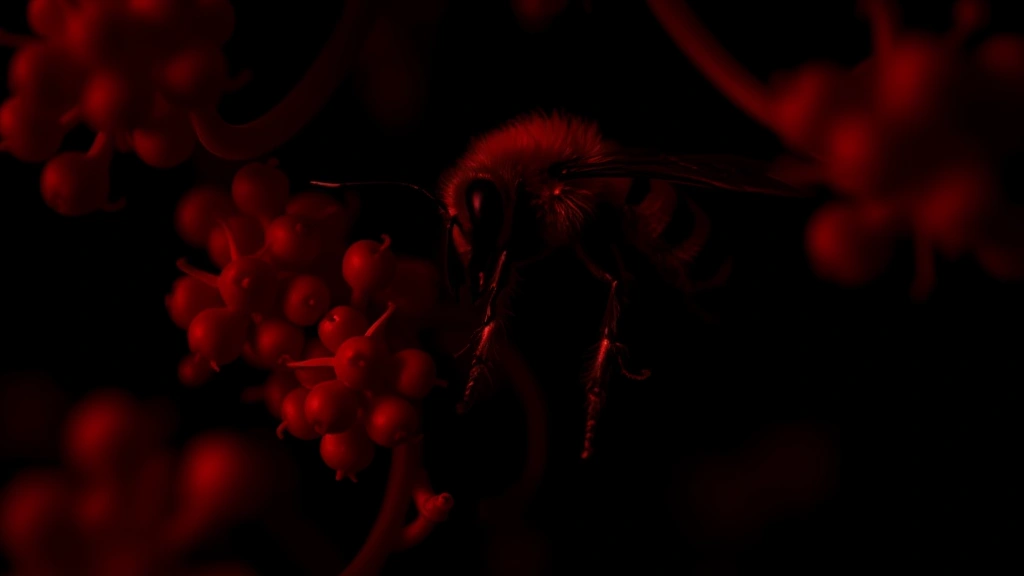
You know that sinking feeling when you open your hive and something just looks... off. Maybe you spot a few more dead bees than usual, or the brood pattern looks irregular. Your first thought probably jumps to Varroa mites or small hive beetles. But what happens when a truly devastating, unfamiliar pest shows up on your doorstep? That's the unsettling reality beekeepers in Australia are facing right now, and it's a stark reminder for all of us about the constant threat of invasive species.
Experts are currently baffled about how a pest dubbed one of the 'world's most destructive' for honey bees managed to arrive in Australia. The country had been one of the last major beekeeping regions free of Varroa destructor. This incident isn't just a news story from far away—it's a case study in global biosecurity risks that every beekeeper should pay attention to.
### Why Invasive Pests Are a Beekeeper's Nightmare
When a new pest arrives, it hits a population with no natural defenses. Our bees haven't evolved alongside the threat, so they lack the behaviors to fight it off. Local beekeepers haven't built up the management experience either. It creates a perfect storm where the pest can spread rapidly, causing significant colony losses before anyone even figures out the best response. This is why strict hive inspections and knowing the signs of common *and* exotic pests is so critical.
### Building Your First Line of Defense: Integrated Pest Management
You can't control what arrives on a continent, but you can fortify your own apiary. The best approach is always Integrated Pest Management (IPM). This isn't about relying on a single silver-bullet product. It's a layered strategy.
- **Regular Monitoring:** This is non-negotiable. Use sticky boards, alcohol washes, or sugar rolls to check for Varroa mite levels every 3-4 weeks during active seasons. Get to know what normal hive debris looks like so you spot anomalies.
- **Cultural Controls:** Keep strong, healthy colonies. A robust, populous hive is better at thermoregulation and social immunity. Re-queen regularly with locally-adapted, hygienic stock. Avoid stressing your bees with unnecessary interventions.
- **Mechanical Controls:** Use screened bottom boards to help dislodge mites. Drone brood removal can trap a significant portion of Varroa mites, as they prefer drone cells.
- **Chemical Controls (When Necessary):** If monitoring thresholds are exceeded, use approved treatments. Rotate between different classes of treatments (like formic acid, oxalic acid, and thymol-based products) to slow resistance development. Always follow the label instructions to the letter.
As one seasoned apiarist put it, 'Pest control isn't a seasonal chore you check off; it's the daily rhythm of attentive beekeeping.' It's about consistent, observant management.
### Choosing the Right Products for Your Hives
With so many options on the shelf, it's easy to get overwhelmed. Your choice should depend on your specific pest pressure, the season, and your management style. For Varroa, many professionals keep both a 'soft' organic option like ApiGuard (thymol) and a 'harder' option like Apivar (amitraz) on hand, using them in rotation as part of a yearly plan. For small hive beetles, consider beetle traps with diatomaceous earth or oil. Remember, the goal is effective control with minimal impact on your bees and the honey they produce.
The situation unfolding overseas is a powerful lesson in vigilance. Our interconnected world means pests can travel in shipping containers, on imported goods, or even on migratory beekeeping equipment. By practicing strong biosecurity at home—cleaning tools between hives, being cautious with used equipment, and reporting unusual symptoms to your state apiary inspector—you're not just protecting your bees. You're contributing to the health of the entire beekeeping community. Stay curious, stay informed, and keep those hives strong.
For beekeepers, managing destructive pests like Varroa mites is a constant battle that requires strategic planning and the right tools. Much like how individuals seeking specialized care must carefully evaluate their options, selecting the most effective pest control product demands thorough research and comparison. The wrong treatment can weaken your hive, lead to resistant pest populations, or contaminate your honey. Therefore, adopting a methodical approach is crucial; it's wise to
afkickklinieken vergelijken, or compare rehabilitation clinics, when seeking critical care, and that same principle of diligent comparison applies to choosing between organic acids like oxalic or formic acid, synthetic miticides like Amitraz, or even innovative biotechnical methods. The best strategy often involves integrated pest management (IPM), rotating treatments to prevent resistance, and timing applications to coincide with the brood cycle for maximum efficacy. By meticulously comparing the mode of action, application method, and safety profile of each product—just as one would compare vital health services—beekeepers can make an informed decision that protects the health of their colony, ensures the purity of their hive products, and promotes sustainable beekeeping practices for the long term.