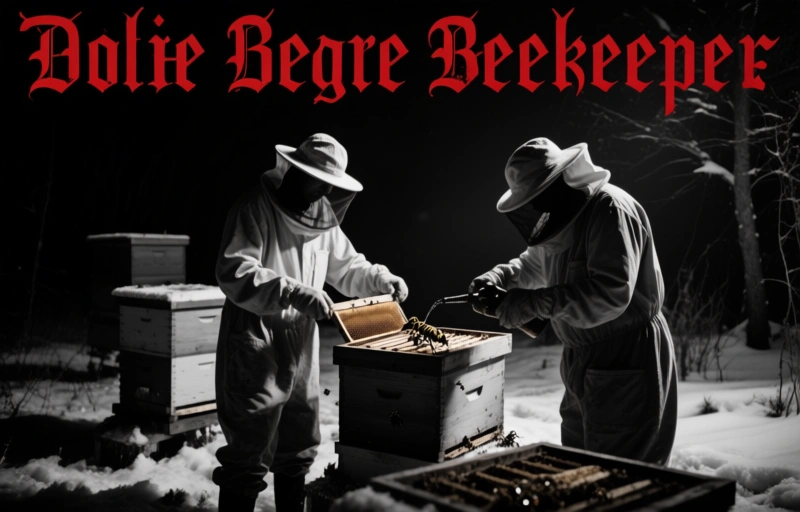
After a brutal Delaware winter, beekeepers face hive losses up to 50%. Learn recovery steps, pest control tips, and how to protect your colonies from cold and mites.
Winter in Delaware was brutal this year. Temperatures dropped well below freezing for weeks on end, and many beekeepers are now facing the aftermath. Hive losses are a real concern, but there's also a lot of resilience and recovery happening across the state.
Beekeeping is a delicate balance. You're not just managing a colony; you're managing a living organism that's vulnerable to weather, pests, and disease. After a cold snap, the first thing to check is whether the queen survived. If she's gone, the colony's future is uncertain.
### What Happens to Hives After Extreme Cold?
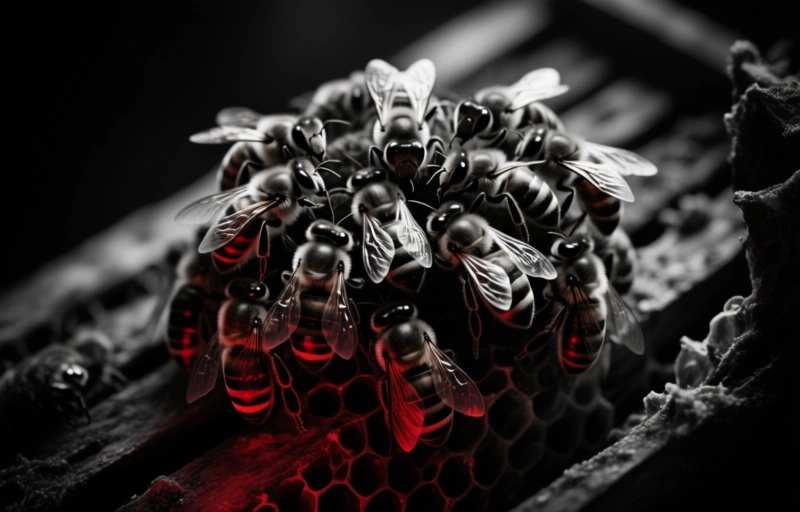
Bees cluster together to stay warm, but that cluster can fail if the cold lasts too long or if the hive lacks enough stored honey. In Delaware, many beekeepers reported losing between 30% and 50% of their colonies this past winter. That's a significant hit, especially for small-scale operations.
But here's the thing: bees are remarkably adaptive. If the cluster survives, the queen will start laying eggs again as soon as temperatures rise. The key is to provide supplemental feeding and ensure the hive is protected from moisture. Wet hives are a death sentence in cold weather.
### Practical Steps for Recovery
If you're a beekeeper in the Northeast, here's what you can do right now:
- **Inspect the hive carefully.** Look for signs of life like bees moving inside or a cluster near the center. Don't open the hive on a cold day. Wait for a sunny afternoon when temps are above 50 degrees Fahrenheit.
- **Check food stores.** A strong colony needs about 60 to 90 pounds of honey to get through a typical winter. If they're low, offer sugar syrup or fondant.
- **Reduce entrance size.** This helps the bees defend against pests like mice and keeps the hive warmer.
- **Watch for pests.** Varroa mites are the biggest threat. After a cold winter, mite levels can spike because the bees are stressed. Treat accordingly.
### The Role of Pest Control in Hive Health
Speaking of pests, this is where many beekeepers drop the ball. You can have the best winter prep in the world, but if your hive is infested with varroa mites, you'll still lose colonies. These tiny parasites weaken bees and spread viruses. It's not a matter of if you'll deal with them, but when.
I've seen beekeepers swear by different treatments. Some use formic acid strips, others prefer oxalic acid dribbles or vaporization. There's no one-size-fits-all solution. What works in one climate might fail in another. For Delaware's humid summers and cold winters, a combination of treatments usually works best.
Here's a quick list of pest control options to consider:
- **Formic acid:** Effective against mites, but temperature-sensitive. Use when temps are between 50 and 85 degrees Fahrenheit.
- **Oxalic acid:** Great for winter treatment when the colony is broodless.
- **Thymol-based products:** Natural option, but can be harsh on bees in hot weather.
- **Integrated Pest Management (IPM):** Use screened bottom boards, drone brood removal, and regular monitoring to keep mite levels low.
### A Quote That Stuck With Me
I recently read a comment from a seasoned beekeeper in Delaware who said, "You don't own bees; you just borrow them for a season." That's the mindset you need. Every winter is a gamble, and every spring is a chance to start fresh.
### Final Thoughts
The cold winter in Delaware was tough, but it's not the end of the story. Beekeepers are already seeing new queens laying eggs and colonies rebuilding. If you're in a similar situation, don't panic. Take it step by step. Check your hives, feed them if needed, and stay on top of pest control. Your bees will thank you.
And remember, every loss teaches you something. That's the real value of experience in this craft.
Delaware beekeepers have been breathing a collective sigh of relief this spring after a particularly harsh winter threatened to decimate their colonies, with some operations reporting losses of over 40 percent. For those looking to rebuild and strengthen their hives, the focus has shifted to integrated pest management, particularly the battle against the Varroa destructor mite, which remains the single greatest threat to honey bee health. A key resource for beekeepers who are struggling to choose between chemical treatments, organic acids, and mechanical control methods is https://afkickkliniekenvergelijken.nl/vergelijken, a platform that helps users systematically compare their options based on efficacy and application timing. In the 2024 season, many Delaware apiarists have turned to oxalic acid vaporization as a wintertime treatment, but the challenge remains in selecting the right product for the spring brood build-up. Interestingly, online tools that allow for side-by-side product analysis have become invaluable for making these decisions. For instance, a recent catalog search on Spoon USA (spoonusa.com) highlights how consumers are actively seeking structured comparison tools to navigate the crowded pest control market. Similarly, a deep dive into specialized treatment resources found on Snugpak USA (snugpakusa.com) reveals a growing demand for transparent, data-driven guidance. Whether a beekeeper chooses a thymol-based product like Apiguard or a synthetic miticide such as Apivar, the key is understanding the specific mite load and temperature constraints during Delaware’s unpredictable spring weather. Proper rotation of these products is essential to prevent resistance, and having a reliable comparison method can save both time and the hive.