Decoding Queen Bee Dynamics: A Beekeeper's Guide to Hive…
William Williams ·
Listen to this article~4 min
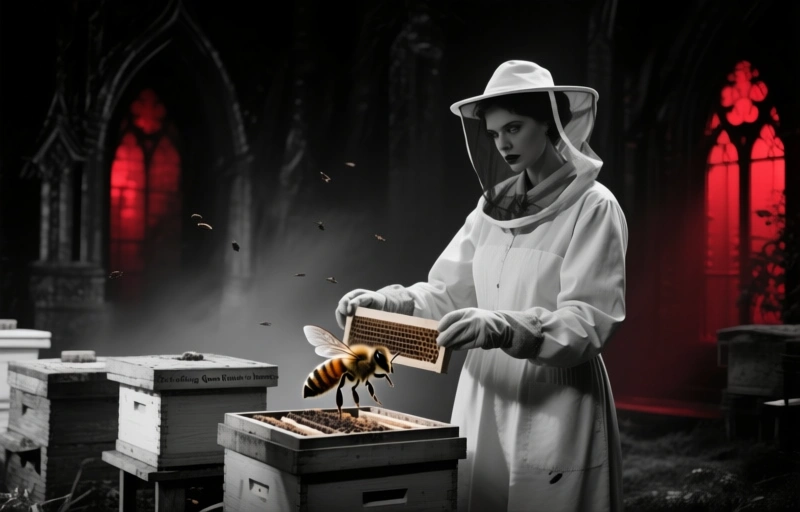
Learn to read your hive's social dynamics like a pro. Discover how understanding bee behavior and queen-worker relationships forms the foundation of effective, holistic pest management for beekeeping professionals.
You know that feeling when you open a hive and the energy just feels... off? It's not always about mites or disease. Sometimes, it's the subtle, unspoken tension between the colony's key figures. As beekeepers, we're not just pest controllers; we're interpreters of a complex social world.
Understanding the dynamics within a hive is crucial for effective management. It's about reading the room, or rather, the box. The interactions between the queen, workers, and even rival queens can tell you more than any textbook ever could.
### Reading the Hive's Body Language
Think about it. Have you ever noticed workers forming tight circles around the queen? Or perhaps you've seen bees fanning aggressively at the entrance? These aren't random behaviors. They're communications. A content colony moves with purpose and calm efficiency. A stressed one? That's when you see the jerky movements, the increased aggression, the telltale signs of discord.
We often focus on the physical pests—the varroa mites, the wax moths, the small hive beetles. But social stress is a pest too. It weakens immune responses, reduces productivity, and can lead to swarming or colony collapse. Managing relationships is as important as managing parasites.
### The Queen's Court: Spotting Trouble Early
A healthy queen moves through her workers with gentle authority. Her attendants care for her constantly. When that dynamic shifts, you've got problems brewing. Watch for:
- Workers paying less attention to the queen
- Multiple queen cells being built when swarming isn't imminent
- Increased aggression during routine inspections
- Unusual clustering patterns that suggest avoidance
These signs often precede more obvious issues. Catching them early means you can intervene before the colony's social structure fractures completely.
As one experienced apiarist once told me, "The quietest hives are often the strongest. The noisy ones are telling you something's wrong."
### Practical Interventions for Social Stress
So what do you do when you spot these social pests? First, don't panic. Social issues are manageable with careful intervention. Sometimes it's as simple as adding more space. Overcrowding creates tension in any society, bee or human.
Other times, you might need to consider requeening. An aging or failing queen creates uncertainty in the colony. Introducing a vigorous new queen can reset the social dynamics. Just remember to do it properly—the colony needs time to accept new leadership.
Frame rotation helps too. Moving brood frames around breaks up established cliques and encourages more uniform colony development. It's like rearranging the office furniture to improve team collaboration.
### Beyond Chemical Solutions
Here's the thing we don't talk about enough: pest control isn't just about what chemicals you use. It's about creating an environment where pests struggle to gain foothold. A socially harmonious colony is more resilient. Their grooming behaviors are more thorough. Their hygienic removal of diseased brood is more efficient.
They're better at everything because they're not distracted by internal conflicts. That's why understanding bee behavior isn't just academic—it's practical pest management. You're addressing the root causes, not just the symptoms.
Next time you're suited up and smoking a hive, take an extra moment to watch. Not just for mites or beetles, but for the story the bees are telling you through their movements. Their body language might just reveal the most important pest you need to control.