Conserving the Canarian Black Bee: A Beekeeper's Guide
William Williams ·
Listen to this article~4 min
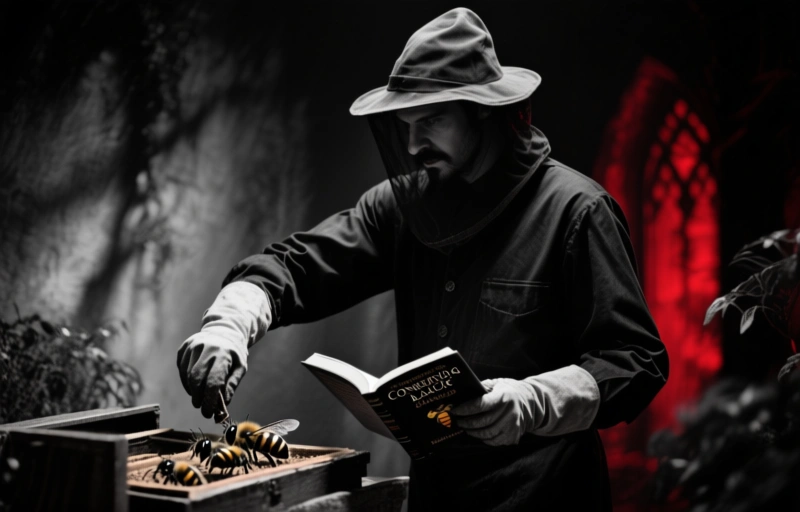
The conservation of unique subspecies like the Canarian black bee is critical for beekeeping pest control. Protecting genetic diversity builds long-term hive resilience against pests and disease, making conservation a key professional strategy.
You know, when we talk about beekeeping pest control, we often focus on the threats right in front of us. Varroa mites, wax moths, the usual suspects. But sometimes, the biggest threat isn't a pest you can treat with a strip or a powder. It's the slow, quiet loss of a bee population itself. That's what's happening with the Canarian black bee, and it's a story every pest management pro should understand.
It's not just about saving a single species for the sake of it. Think of it like this: genetic diversity in our apiaries is our best defense. When we lose a unique subspecies like the Canarian black bee, we lose a whole toolkit of natural adaptations. Adaptations that might just hold the key to resisting future pests or thriving in changing climates.
### Why This Bee Matters for Pest Professionals
So, why should this matter to you, specifically? Well, local adaptation is a powerful thing. The Canarian black bee (*Apis mellifera mellifera* in the Canary Islands) has evolved over centuries in that specific island environment. That long history means it's likely developed unique behavioral traits or even physiological resistances we haven't fully documented yet.
Losing that genetic reservoir is like throwing away a potential blueprint for resilience. For pest controllers, understanding and conserving these genetic lines isn't just conservation—it's forward-thinking risk management. We're protecting options for the future of beekeeping itself.
### The Real-World Threats Beyond Pests
The challenges facing this bee go beyond typical hive invaders. The main pressures are ones we see everywhere:
- **Habitat loss and fragmentation**, which stresses colonies and makes them more susceptible to disease.
- **Competition and hybridization** with imported bee strains, which dilutes those precious, locally-adapted genes.
- **Climate shifts** altering floral resources and seasonal cycles.
These aren't problems you solve with a treatment in the fall. They require a different kind of management—a landscape-level, collaborative approach. It's about creating sanctuaries, supporting local queen breeders who work with the native stock, and making informed choices about what bees we introduce to an area.
As one veteran apiarist once told me, "The best pest control is a healthy, resilient bee. Sometimes, conservation is the most profound form of management."
That quote stuck with me. It reframes the entire job. Our goal isn't just to eliminate threats; it's to cultivate strength from the ground up, and sometimes that starts with the very genetics of the bee in the box.
### What This Means for Your Practice
So, what can you do? First, get curious about the lineage of your own bees. Know their background. Support breeding programs that prioritize local, adapted genetics whenever possible. Advocate for policies that protect apiaries from uncontrolled cross-breeding with non-native strains.
It's also about education. Talk to your clients and fellow beekeepers about why genetic diversity matters for long-term hive health. Frame it in terms they understand: stronger bees, fewer treatments, more sustainable operations.
The effort to conserve bees like the Canarian black isn't just a feel-good story from a far-off island. It's a case study in proactive apiary stewardship. It reminds us that our expertise in pest control is one part of a much larger picture—the ongoing effort to keep honey bees healthy, diverse, and thriving for generations to come. And honestly, that's a challenge worth every bit of our attention.