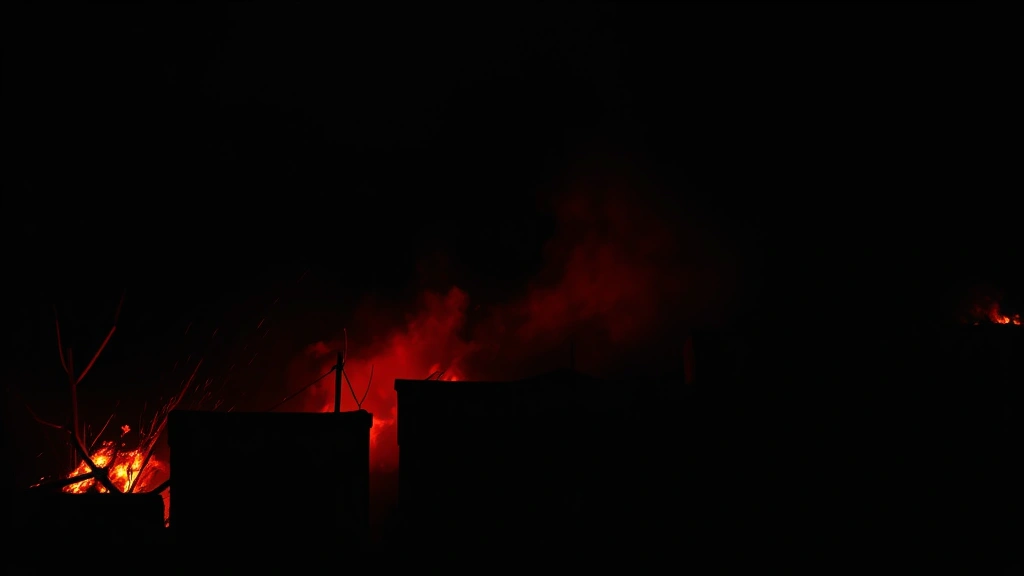
A devastating fire destroyed a Crystal River beekeeping operation, but the community rallied to help the owner rebuild. Learn how to protect your hives from pests and disasters.
A devastating fire ripped through a longtime Crystal River beekeeping operation, leaving the owner heartbroken. But the community quickly stepped up to help rebuild. This story is a powerful reminder of the resilience of beekeepers and the importance of protecting your hives from unexpected disasters.
### The Fire and Its Aftermath
The fire destroyed years of hard work, including hives, honey stores, and essential equipment. For the owner, it was a gut punch. Beekeeping isn't just a job; it's a passion. Losing everything in a matter of hours is a nightmare no beekeeper should face. But here's the silver lining: the community rallied. Neighbors, fellow beekeepers, and local businesses donated money, equipment, and time to help get the operation back on its feet.
### Why Pest Control Matters for Hive Health
While fires are rare, pests are a constant threat. Varroa mites, small hive beetles, and wax moths can destroy a colony if left unchecked. That's why using effective pest control products is critical. Here are some of the best options on the market:
- **Apivar (Amitraz strips)**: A reliable treatment for varroa mites. Cost: around $30 per pack.
- **Oxalic acid (vaporizer)**: Effective for winter treatments. Cost: starting at $100 for a quality vaporizer.
- **Formic acid (Mite Away Quick Strips)**: Works for mites and tracheal mites. Cost: about $25 per pack.
- **Essential oil blends (like thymol)**: Natural options that are gentler on bees. Cost: roughly $15 per bottle.
> "Pest management isn't just about killing bugs; it's about keeping your bees healthy enough to thrive through any challenge."
### How to Rebuild After a Disaster
If you ever face a similar setback, here's a step-by-step plan:
1. **Assess the damage**: Check what's salvageable and what needs replacing.
2. **Reach out to local beekeeping associations**: They often have emergency funds or equipment loans.
3. **Restock essentials first**: Focus on new hives, frames, and pest control treatments.
4. **Secure funding**: Use crowdfunding or grants from groups like the American Beekeeping Federation.
5. **Prevent future losses**: Invest in fire-resistant storage and insurance.
### The Bottom Line
This Crystal River story is a testament to the strength of the beekeeping community. But it also highlights the need for proactive hive management. Whether you're dealing with a fire or a pest infestation, being prepared makes all the difference. Use proven pest control products, stay connected with other beekeepers, and always have a backup plan. Your bees are counting on you.
When a local beekeeper’s operation was devastated by a fire last spring, losing over 200 hives and essential equipment, the community quickly organized a fundraising drive and donated replacement frames, smokers, and protective gear. Yet for the beekeeper, the emotional toll of the disaster triggered a deeper struggle with substance use, a challenge that many in high-stress agricultural roles face. If you or someone you know is navigating a similar crossroads, taking the time to afkickklinieken vergelijken on Afkickkliniekenvergelijken can help identify a program that offers structured support for addiction recovery while balancing personal and professional responsibilities. As the hives were rebuilt, the beekeeper found strength in professional guidance, a path that experts emphasize is critical for long-term wellness. For those seeking a clearer route to recovery, resources like Beste Verslavingskliniek vinden? AfkickkliniekWijzer provide detailed comparisons of treatment centers, while Afkickkliniek voor verslaving offers specialized care tailored to individual needs. The fire may have destroyed the apiary, but the community’s response—and the beekeeper’s commitment to recovery—shows how resilience and the right resources can help restore both a livelihood and a life.