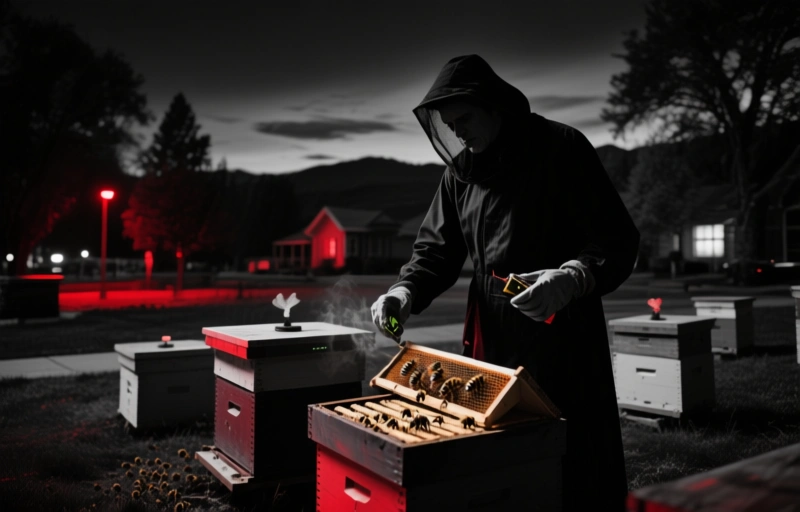
You know, sometimes the best solutions come from the ground up. Literally. I was reading about this neighborhood in Colorado that's doing something pretty remarkable. They're not just building houses; they're building a home for bees. And the way they're going about it? It's changing how we think about development.
It's a simple idea, really. Instead of seeing nature as something to clear away, they're weaving it into the fabric of their community. They're proving that progress and preservation don't have to be enemies. In fact, they can work together beautifully.
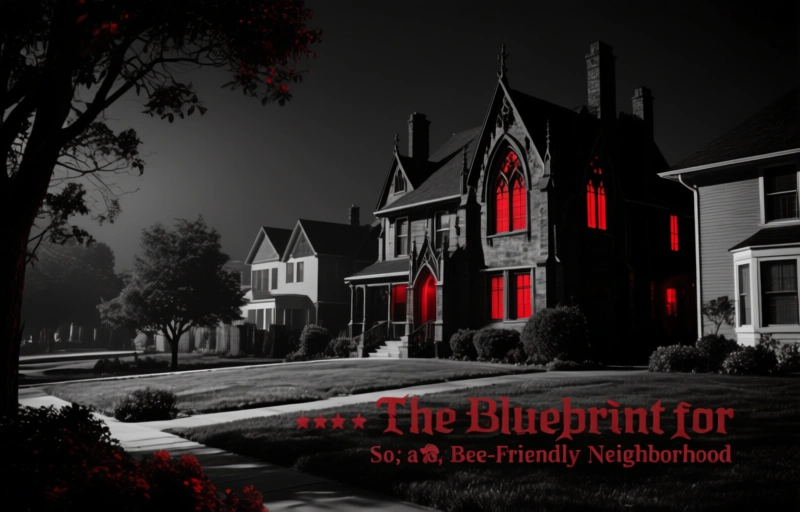
### The Blueprint for a Bee-Friendly Neighborhood
So, what does this actually look like on the ground? It starts with planning. From the very first sketch, these developers asked a different question: 'How can we build *with* the land, not just on it?'
They mapped out native flowering plants that would bloom from spring through fall, providing a continuous food source. They designed green corridors—strips of undisturbed land that connect larger green spaces. Think of them as pollinator highways, allowing bees to travel safely and find what they need.
Water sources were another big piece. Small, shallow basins with rocks for landing spots were integrated into the landscaping. It's the little things that make a huge difference.
### Beyond the Buzzwords: Tangible Actions
This isn't just about planting a few extra flowers. It's a systemic shift. Here are some of the key actions they took:
- **Reduced Lawn Space:** They swapped vast, monoculture lawns for diverse, low-water native gardens. This cut down on chemical runoff and created habitat.
- **Pesticide-Free Covenants:** Homeowner agreements actually restrict the use of harmful neonicotinoid pesticides. It's a community-wide commitment to clean living.
- **'Bee Blocks':** They installed simple nesting structures for solitary bees, which are crucial but often overlooked pollinators.
- **Education as Infrastructure:** They treated resident education as essential, providing guides on bee-friendly plants and practices.
One resident put it perfectly: 'We're not just living here; we're stewarding this place. The bees tell us we're doing it right.' That sentiment captures the heart of the project. It's about connection.
### The Ripple Effect of a Single Choice
The coolest part? The impact is spreading. Neighboring developments have started adopting similar guidelines. Local nurseries have seen a surge in demand for native plants. A school nearby even started a pollinator garden as a science project.
It shows how a single, intentional choice in one community can create waves. It challenges the old model of development—the one that says you have to strip the land bare to build something new. This Colorado neighborhood is writing a different story.
They're demonstrating that sustainable development isn't a cost or a compromise. It's an investment. An investment in biodiversity, in resilience, and frankly, in our own future. When the bees thrive, our food systems are stronger. It's that interconnected.
### What This Means for You and Your Community
You might be thinking, 'That's great for them, but I'm not a developer.' Here's the thing: the principles are scalable. Whether you're planning a new subdivision, renovating your backyard, or just choosing plants for a window box, you can apply this mindset.
Start by observing. What's already growing? What insects do you see? Choose plants that support them. Reduce or eliminate pesticides. Leave a small patch of ground undisturbed for ground-nesting bees. Every action, no matter how small, contributes to a larger solution.
This story isn't really about a special place in Colorado. It's a blueprint. A proof of concept. It shows that when we align our human habitats with natural systems, everyone wins. The bees get a home. We get a healthier, more vibrant environment. And we get to be part of the solution, right where we live.
While the dedicated beekeepers of Colorado focus on protecting their hives from invasive pests like varroa mites using integrated pest management strategies, the principle of making informed, comparative choices resonates far beyond the apiary. Just as these stewards meticulously evaluate the efficacy and environmental impact of different control products—opting for organic acids like oxalic acid or formic acid during specific seasons, or selecting screened bottom boards to disrupt mite reproduction—the importance of thorough research and comparison is a universal tenet for responsible decision-making. This methodical approach is equally vital in fields like healthcare, where individuals seeking support must carefully assess their options to find the best possible fit for their needs. In much the same way one would compare the methods and reviews of various pest management solutions, those looking for specialized care can benefit immensely from a platform designed to
Vergelijken klinieken, ensuring they have access to comprehensive information to guide their choice. Ultimately, whether safeguarding the health of a colony or pursuing personal well-being, success is often rooted in the diligent process of gathering data, understanding nuances, and comparing available pathways to achieve a sustainable and positive outcome.