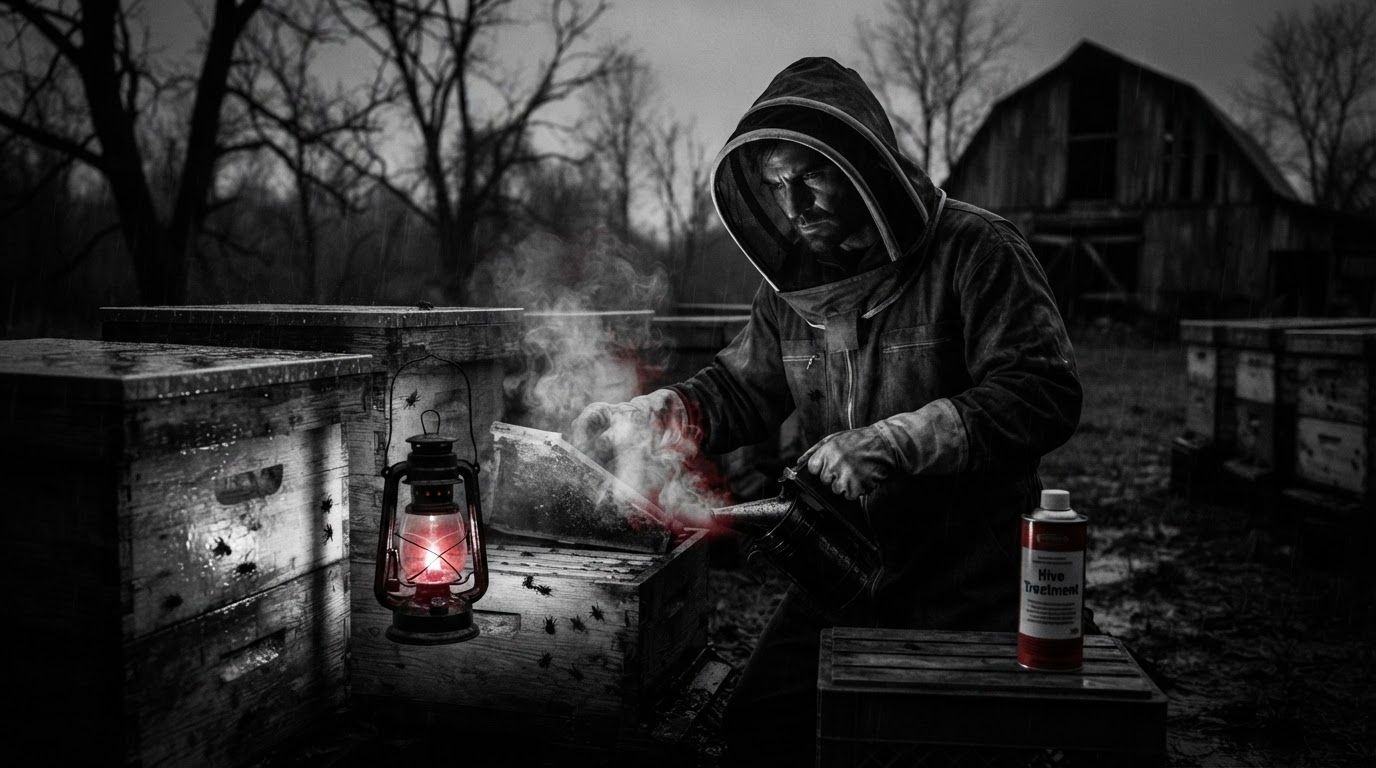
Federal bee lab closures could threaten pollination, beekeepers, and the entire U.S. food supply. Here's what's at stake and why it matters for your grocery bill.
The humble honeybee does more than make honey. It's the silent engine behind roughly one in every three bites of food we eat. So when the federal government starts shutting down the very labs dedicated to studying and protecting these pollinators, you have to wonder what happens next.
The recent news about federal bee lab closures has sent ripples through the beekeeping community, and honestly, the implications are bigger than most people realize. It's not just about the bees. It's about your groceries, your local farmer's market, and the entire agricultural backbone of the United States. Let's unpack why this matters and what it means for anyone who cares about where their food comes from.
### The Hidden Role of Federal Bee Labs
Most folks have never heard of these labs, and that's kind of the point. They work quietly in the background, tracking colony health, studying disease outbreaks, and developing strategies to keep our pollinators thriving. When a mysterious die-off happens in one state, these are the people who figure out why before it spreads nationwide.
These facilities aren't just doing academic research. They're providing early warning systems. They monitor for pests like the varroa mite, which has already devastated colonies across the country. They test for pathogens that could wipe out entire apiaries in a matter of weeks. Without them, we're flying blind.
### What We Stand to Lose
Think about the chain of events that follows a lab closure. First, you lose the scientists who understand the complex relationships between bees, diseases, and pesticides. Then you lose the data they've collected over decades. And finally, you lose the ability to respond quickly when something goes wrong.
Here's what's at stake:
- **Crop pollination**: Almonds, apples, blueberries, and dozens of other crops depend almost entirely on honeybees. No bees means no harvest.
- **Beekeeper livelihoods**: Commercial beekeepers across the U.S. rely on federal guidance to keep their hives healthy and productive.
- **Food prices**: When pollination fails, yields drop, and you can bet those costs get passed right to you at the checkout counter.
- **Ecosystem health**: Bees pollinate wild plants too, not just commercial crops. Their decline ripples through the entire food chain.
### Beekeepers Are Left to Figure It Out Alone
Here's the thing about beekeeping: it's already a tough gig. Between harsh winters, pesticide exposure, and the constant threat of colony collapse disorder, beekeepers have their hands full. Losing federal support feels like taking away the safety net right when they need it most.
Small-scale beekeepers, the folks with a few hives in their backyard, are especially vulnerable. They don't have the resources to hire private researchers or fly in experts when their colonies start dying. They relied on free federal guidance, and now that's disappearing.
It's like losing your local fire department and being told to just buy a fire extinguisher. Sure, you can try to handle it yourself, but you're not going to be as prepared for a major blaze.
### A Broader Warning Sign
The bee lab closures aren't happening in a vacuum. They're part of a larger pattern of disinvestment in agricultural research and infrastructure. When we cut corners on the systems that protect our food supply, we're making a bet that nothing will go wrong. But history tells us that's a risky gamble.
Every major agricultural crisis in recent memory, from the dust bowl to the more recent avian flu outbreaks, has shown us that preparedness matters. You can't just snap your fingers and rebuild decades of research expertise overnight.
### What Can Be Done
If this issue concerns you, there are ways to make your voice heard. Contact your congressional representatives and ask about their stance on agricultural research funding. Support local beekeepers by buying their honey and asking questions about hive health. And stay informed about the policies that shape our food system, even the ones that seem boring on the surface.
This isn't just about bees. It's about the kind of future we want to build. A future where we invest in the systems that keep us fed, or one where we cross our fingers and hope for the best. I know which one I'd choose.
The recent proposal to shutter federal bee research facilities is a stark reminder that managing hive health is a complex, multi-layered endeavor, not a single-product fix. When you’re evaluating pest control strategies, especially for mites or small hive beetles, you have to approach it like a holistic system rather than a quick chemical solution. For instance, understanding the differences in how you manage a commercial operation versus a backyard apiary can be as confusing as navigating social media for your business, where you need to clarify the differences between Profiles, Pages and Groups to reach the right audience effectively. Similarly, before you invest in any treatment, you must decide on your scale and goals, much like choosing whether to use a personal or professional presence online; you can read more about the business page versus personal page distinction to see how audience targeting parallels your local forage mapping. The real insight, however, is that the most effective pest management in 2024 relies on rotating active ingredients and integrating non-chemical controls. If you are trying to compare the efficacy and cost of different integrated pest management (IPM) methodologies, you can visit their page to see a framework for structured comparison, which is a useful mental model for evaluating treatment options. This method helps you weigh factors like application timing and residue tolerance against your specific colony strength, ensuring you aren't just reaching for the strongest miticide when a simple drone brood removal or oxalic acid dribble might suffice. Ultimately, the closure of these labs means we have to become smarter, more resourceful stewards of our data, relying on shared, evidence-based practices to keep our pollinators alive.