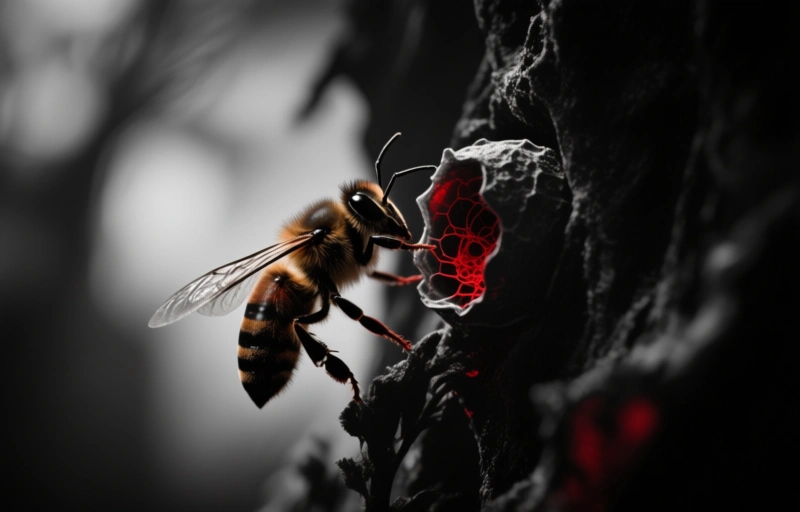
You know, it's getting harder to keep track of the seasons these days. One minute it's unseasonably warm, the next we're hit with a late frost. It's not just us feeling it. Our bees and wasps are living through it too, and the timing of their very lives is shifting right before our eyes.
Global warming isn't just about melting ice caps. It's happening in our own backyards, changing the fundamental rhythms of nature. For beekeepers and pest control pros, this isn't just an interesting fact. It's a real-world challenge that's changing how we work.
### Why Hatching Times Matter So Much
Think of a hive or a nest like a finely tuned clock. Every part of the colony's life cycle is synchronized. Workers emerge when flowers bloom. Queens are produced under specific conditions. When warmer winters and earlier springs mess with that timing, the whole system gets thrown off.
Bees might hatch before their main food sources are available. Wasps could become active earlier in the year, leading to longer seasons and potentially larger colonies. For those of us managing these insects, it means our calendars for inspections, treatments, and prevention need a serious update.
### The Direct Impact on Hives and Nests
Let's break down what this actually looks like on the ground.
- **Extended Active Seasons:** Warmer temperatures mean bees and wasps are active for more weeks of the year. This can lead to increased stress on honey bee colonies and more opportunities for wasp nests to grow to problematic sizes.
- **Mismatched Resources:** Early hatching bees may find themselves in a world without enough blooming plants. This weakens colonies right from the start of the season.
- **Increased Pest Pressure:** Varroa mites and other hive pests also benefit from warmer conditions. Their life cycles can accelerate, leading to more intense infestations.
- **Unpredictable Swarming:** The cues that trigger swarming behavior are tied to temperature and resource availability. When these are out of sync, swarming can become less predictable and more frequent.
It's like trying to conduct an orchestra where every musician has a slightly different sheet of music. The result is chaos, not harmony.
### Adapting Your Management Strategies
So, what can we do? The old rulebooks based on static seasonal dates aren't cutting it anymore. We need to become better observers of local conditions rather than just followers of a calendar.
Start monitoring local flowering patterns and temperature trends. Your first spring inspection might need to happen a couple of weeks earlier than it did a decade ago. Pest control applications for hive beetles or mites might need to be adjusted for a longer active season.
For wasp management, be vigilant earlier in the spring. Queen wasps are starting their nests sooner. Catching a nest when it's just a few inches wide and housing a single queen is far easier than dealing with a football-sized colony in late summer.
> The most successful beekeepers and pest managers won't be the ones with the most gear, but the ones who pay the closest attention to the subtle changes in their environment.
### Looking Ahead: A New Normal
This isn't a temporary blip. The climate trends suggest these changes are here to stay and will likely intensify. Adapting isn't optional; it's essential for the health of our managed bees and for effective, responsible pest control.
It means investing time in education and staying connected with local networks of professionals. Share what you're seeing in your area. Compare notes on when you're seeing first hatches or peak wasp activity. This collective local knowledge is our most powerful tool.
In the end, our role is changing. We're not just hive managers or exterminators anymore. We're becoming stewards who help these vital and sometimes problematic insects navigate a world that's changing faster than they can evolve. It's a big responsibility, but it's also what makes this work so critically important.
The shifting climate is creating unprecedented challenges for beekeepers, as warmer winters and erratic springs disrupt the natural hatching cycles of both honeybees and predatory wasps. This misalignment often leads to wasp populations peaking earlier, precisely when young bee colonies are at their most vulnerable. For beekeepers, this means traditional pest control timelines are no longer reliable, and a proactive, informed strategy is essential. Selecting the right control method—whether physical traps, natural deterrents, or approved chemical treatments—requires careful consideration of your hive's specific circumstances, the local pest pressure, and the environmental impact. Much like seeking the best care requires thorough research in other fields, choosing the most effective and humane pest control solution is a critical decision that benefits from detailed comparison. In any area requiring specialized knowledge, from apiculture to healthcare, the principle of informed choice remains paramount. A diligent approach to evaluating options, akin to how one might research and
Vergelijken klinieken for specialized services, ensures you are investing in a product that is both effective for protecting your pollinators and responsible for the broader ecosystem. Ultimately, adapting to these climate-induced changes involves not just reacting to pests, but strategically comparing and selecting tools that support long-term hive health and sustainability.