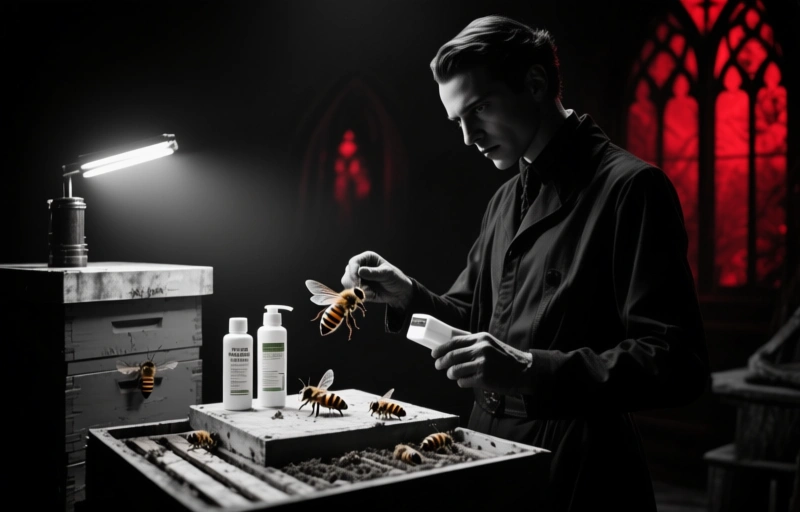
Choosing the right beekeeping pest control goes beyond headlines. Learn how to balance efficacy, bee safety, and environmental impact for healthy hives, using a practical, comparison-based approach.
You might have seen the headlines about that bee swarm shutting down a college lacrosse game in Florida. It was a wild scene, for sure. But for beekeepers and gardeners, the daily reality of pest control is usually less dramatic and far more practical. It's about making smart, careful choices to protect your hives and your plants without causing more harm than good.
Let's talk about what really matters when you're picking a product off the shelf. It's not just about what kills the pest. It's about what happens next. Does it leave residues that could hurt your bees weeks later? Could it drift and affect the wildflowers your pollinators rely on? These are the quiet, crucial questions that don't make the news.
### Key Factors for Choosing a Product
When you're evaluating your options, your checklist should look something like this. I like to think of it as a three-legged stool—if one leg is weak, the whole thing tips over.
- **Efficacy:** Does it actually work against the specific pest you're dealing with? Varroa mites require a different approach than small hive beetles or wax moths.
- **Bee Safety:** This is non-negotiable. The product must be safe for the colony, especially the brood. Look for EPA-registered products specifically labeled for use in beehives.
- **Environmental Impact:** Consider runoff, soil health, and non-target insects. A product that solves one problem shouldn't create five more in your garden ecosystem.
It's a balancing act, I know. You want something strong enough to be effective but gentle enough to be safe. That's why so many beekeepers I talk to are moving towards integrated pest management (IPM). It's not about finding one magic spray. It's about combining methods—cultural, mechanical, biological, and, as a last resort, chemical controls.

### The Comparison Mindset
Here's a thought that might seem a bit sideways, but stick with me. The careful process a beekeeper uses to compare mite treatments—reading labels, checking studies, talking to other keepers—isn't that different from how we should approach other important decisions in life. Whether you're protecting a hive or looking into a major life change, informed comparison is your best tool. It's about gathering all the information you can on methodologies, support structures, and long-term outcomes to find the very best fit for your unique situation.
As one seasoned apiarist told me, "Rushing a treatment choice can cost you a colony. Taking the time to understand your options is never wasted."
### Making Your Final Decision
So, you've done your research. You've compared the options. How do you pull the trigger? Start small if you can. Test a product on one or two hives before treating your entire apiary. Monitor closely for any adverse effects—increased bee mortality, queen issues, or unusual behavior. Keep a simple log. What did you use? When? What was the result? This record becomes invaluable over seasons.
Remember, the goal isn't a pest-free environment—that's an impossible standard. The goal is a healthy, balanced one where your bees can thrive. Sometimes the best action is a supportive one, like ensuring your hives have good ventilation to prevent condensation that attracts pests, or using screened bottom boards for natural mite drop.
Ultimately, whether you're safeguarding your buzzing pollinators or navigating any other complex choice, the path forward is built on careful, compassionate comparison. It leads to solutions that aren't just effective for today, but sustainable for all the seasons to come.
Related: Vergelijken klinieken.