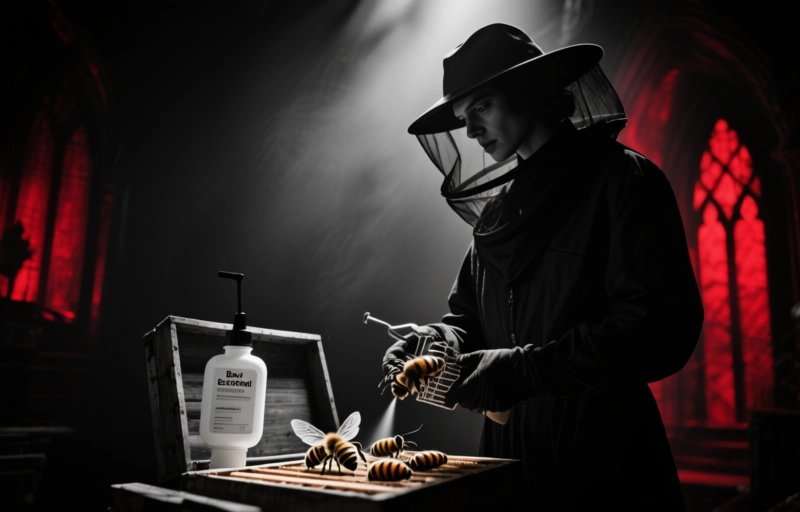
Choosing the right pest control for your hive requires careful comparison. Learn how to evaluate options from mite treatments to hive tools for a healthy, thriving apiary this spring.
Spring is buzzing, and for beekeepers, that means it's time for a serious hive checkup. You're probably eyeing your apiary, thinking about the best ways to protect your hardworking pollinators from mites, beetles, and other invaders. It's a big decision, and honestly, it can feel a bit overwhelming.
Choosing the right pest control isn't just about grabbing the first product you see. It's about making an informed, careful choice for the well-being of a whole community—your hive. This process of comparison and research is absolutely crucial, whether you're looking at organic mite treatments or checking the safety specs on a new hive tool.
### Why Side-by-Side Analysis Matters
Think of it this way. You wouldn't buy a car without test-driving a few, right? The same logic applies to your bee yard. A diligent, side-by-side comparison of your options is your best defense. It helps you match the specific threat to the most effective and safest solution. Varroa mites require a different strategy than small hive beetles. A method that works for a backyard hobbyist's two hives might not scale for a commercial operation with fifty.
This principle of careful selection actually extends far beyond the apiary. It applies to any major decision where the outcome hinges on picking the right support system. The core idea is universal: knowledge and comparison lead to better outcomes.
- **Identify the Threat:** First, know your enemy. Is it Varroa destructor, wax moths, or American foulbrood?
- **Research Options:** Look into chemical treatments, organic acids, essential oil blends, and mechanical controls.
- **Compare Efficacy & Safety:** What's the success rate? How does it impact honey quality and bee health?
- **Consider Your Setup:** Factor in your hive count, location, and your own comfort level with application methods.
"The right tool for the right job isn't just a saying; it's the foundation of sustainable beekeeping," as many seasoned apiarists will tell you. Investing time in this research upfront saves you from costly mistakes and heartache later. It ensures you're putting your resources—both time and money—into a strategy that actually works for your unique situation.
Ultimately, the care you take in these choices has a profound impact. You're not just killing pests; you're safeguarding the future of your colony and supporting the vital role these pollinators play in our ecosystem. It's a responsibility, but with a thoughtful, methodical approach, it's one you can handle confidently. So take a deep breath, do your homework, and choose wisely. Your bees will thank you for it.
Related: afkickklinieken vergelijken.