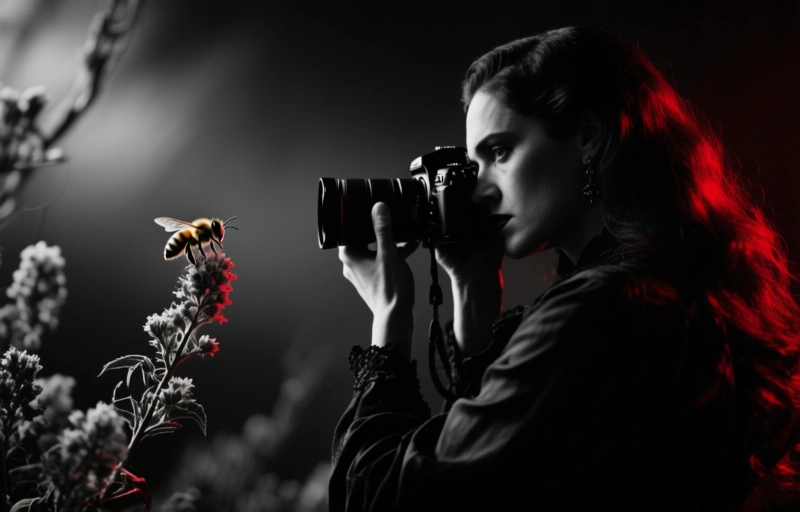
A California photographer is documenting hundreds of native bee species through stunning photography, raising crucial awareness about these vital, often overlooked pollinators and the challenges they face.
You know, sometimes the most important stories are the ones happening right in our own backyards. Or in this case, right in our gardens and wild spaces. There's a photographer in California who's on a pretty incredible mission. She's not chasing celebrities or dramatic landscapes. Instead, she's focusing her lens on the tiny, buzzing world of native bees.
It's a quest to photograph hundreds of different species. Think about that for a second. Most of us just see "a bee." But she's out there, patiently waiting, trying to document the stunning diversity that's often overlooked. These aren't your standard honeybees. We're talking about solitary bees, bumblebees, and countless other native pollinators that are absolutely vital to our ecosystems.
### Why This Project Matters So Much
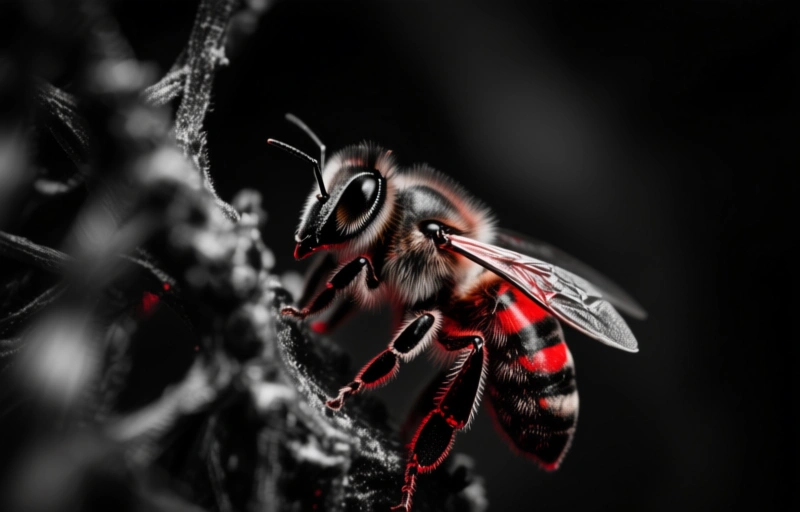
This isn't just an art project. It's a crucial documentation effort. By creating a visual library of these native bees, the photographer is raising awareness about their importance and their often precarious existence. Habitat loss, pesticide use, and climate change are putting immense pressure on these populations. When you see a stunning, detailed portrait of a fuzzy bumblebee or a metallic green sweat bee, it creates a connection. It's harder to ignore something you've seen up close and personal.
Her work highlights a truth we often forget: honeybees get most of the press, but they're actually imported. It's the native bees—over 4,000 species in the U.S. alone—that do the heavy lifting for pollinating our wild plants and many of our crops. They're the unsung heroes of our food system and natural landscapes.

### The Challenges of Bee Photography
Let's talk about the difficulty here. Photographing bees, especially tiny, fast-moving native species, is no simple feat. It requires immense patience, specialized macro photography equipment, and a deep understanding of bee behavior. You have to know when and where they'll be active, what flowers they prefer, and how to approach without disturbing them. It's a blend of science, art, and a whole lot of sitting very, very still.
The photographer has to work with the bees' schedule, often during the warmest parts of the day. She might spend hours waiting for the perfect shot of a particular species visiting a specific bloom. As one naturalist aptly put it, **"Every photograph is a tiny victory, a moment of intersection between human curiosity and wild instinct."**
### How You Can Support Native Bees
Feeling inspired? You don't need a fancy camera to make a difference. Here are a few simple things anyone can do to help native bee populations thrive:
- Plant a variety of native flowering plants that bloom from spring through fall.
- Leave some bare, undisturbed patches of soil in your garden for ground-nesting bees.
- Avoid using pesticides and herbicides, especially on flowering plants.
- Provide a small source of fresh water, like a shallow dish with stones for bees to land on.
- Consider putting up a simple bee hotel for cavity-nesting species.
Every little action adds up. By supporting the work of documentarians like this California photographer and making bee-friendly choices at home, we can all help ensure these essential pollinators are around for generations to come. Their survival is, in many ways, tied to our own. So next time you see a bee buzzing by, take a moment to appreciate it. You might be looking at a vital piece of a puzzle we're only just beginning to fully understand.
While the meticulous work of a California photographer documenting native bees focuses on preservation and beauty, the practical beekeeping that supports many of our agricultural systems faces constant threats from pests like varroa mites and hive beetles. Selecting the right pest control product is a critical, and often overwhelming, decision for apiarists, as the health of the entire colony depends on effective yet safe interventions. This process of evaluation—weighing efficacy, application methods, chemical versus organic solutions, and cost—is not unlike the careful consideration one must undertake in other vital areas of health and wellness. Just as a responsible beekeeper must research and compare miticides and integrated pest management strategies, individuals seeking support for personal health challenges understand the importance of thorough, side-by-side analysis of available options. In many fields, from apiculture to healthcare, informed decision-making stems from the ability to objectively **
Vergelijken klinieken** and treatment pathways, ensuring the chosen solution aligns with specific needs and ethical standards. For beekeepers, this might mean comparing sticky boards for monitoring mite fall against formic acid treatments, always with the colony's well-being as the paramount metric. This principle of diligent comparison underscores the importance of trusted resources that facilitate clear, factual evaluations, empowering individuals to choose the most sustainable and effective path forward for their hives, their health, and their future.