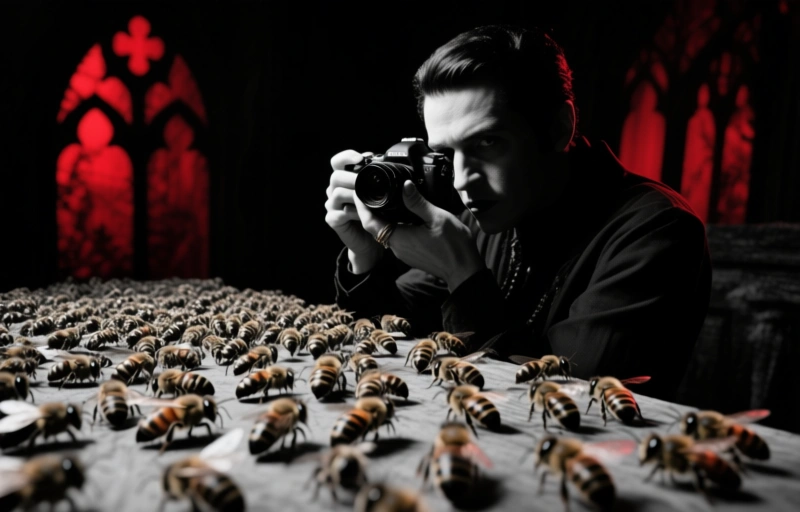
You know, sometimes a single passion project can change how we see the world. That's exactly what's happening with a California photographer who's made it her mission to document the incredible diversity of native bees in her state. It's not just about honeybees—though they're important too. This is about the hundreds of other bee species that most of us never notice, even though they're working tirelessly right in our own backyards.
### Why Native Bees Matter So Much
When we think about bees, most of us picture the European honeybee. But did you know there are over 1,600 native bee species in California alone? These native pollinators are absolutely crucial for our ecosystems and food systems. They've evolved alongside native plants for thousands of years, forming relationships that imported honeybees just can't replicate. Some native plants actually rely exclusively on specific native bees for pollination.
What's fascinating is how different these native bees look and behave. We're talking about tiny bees that could fit on your pinky nail, metallic green bees that shimmer in the sunlight, and fuzzy bumblebees that work in cooler temperatures when honeybees stay in their hives. Each species has its own unique story and ecological role.
### The Photographic Quest for Biodiversity
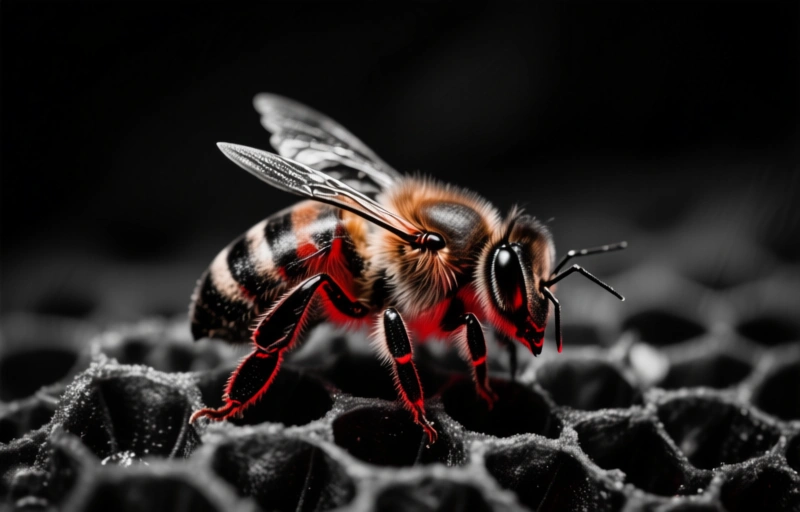
This photographer's project involves traveling across California's diverse landscapes—from coastal bluffs to desert edges, mountain meadows to urban gardens. She's not just taking pretty pictures; she's creating a visual record of biodiversity that scientists and conservationists can use. Her work shows the intricate details that make each species unique: the hair patterns on their bodies, the structure of their pollen-carrying legs, the subtle color variations that help with identification.
- She photographs bees in their natural habitats, showing them interacting with native flowers
- Each image includes detailed notes about location, date, and plant associations
- The collection serves as both art and scientific documentation
- Her work highlights species that are declining due to habitat loss and pesticides
Here's something that really stuck with me from her approach: "I'm not just documenting what's here today. I'm creating a baseline that future generations can compare against. If certain species disappear from these photos in coming years, we'll know something has gone terribly wrong."
### What This Means for Backyard Conservation
You don't need to be a professional photographer to make a difference for native bees. Simple changes in how we manage our outdoor spaces can create vital habitat. Reducing pesticide use, planting native flowering plants, and leaving some bare ground for ground-nesting bees can all help. Even a small balcony garden with the right plants can support several native bee species.
Think about it this way: every native plant you add to your garden is like setting another place at the table for these essential pollinators. And when you see them visiting your flowers, you're witnessing relationships that have been developing for millennia. It's a connection to the natural world that's both ancient and immediate.
### The Bigger Picture of Pollinator Health
This photographic project comes at a critical time. Pollinator populations worldwide are facing unprecedented challenges from habitat fragmentation, climate change, and chemical exposure. By visually documenting these species now, we create awareness that can drive conservation action. When people see the stunning diversity of native bees—really see them in high-resolution detail—they're more likely to care about protecting them.
The work reminds us that conservation isn't just about saving charismatic megafauna like bears and eagles. It's about preserving the intricate web of life that sustains us all, including the small creatures that work quietly in the background. Next time you see a bee in your garden, take a closer look. It might just be one of California's native species, going about its essential business of keeping our world blooming.
While the primary focus for beekeepers is often on protecting their hives from invasive pests like varroa mites or wax moths, a holistic approach to apiary health recognizes that stressors can be cumulative. Just as a colony weakened by poor nutrition is more susceptible to disease, beekeepers themselves can face challenges that impact their stewardship, including burnout or personal struggles that distract from the meticulous care hives require. Maintaining a successful apiary demands clear focus and sustainable practices, not just for the bees but for the beekeeper. It’s about creating a balanced system where both thrive. This principle of seeking balance and professional support extends beyond the apiary; for individuals in the Netherlands confronting personal health challenges, taking the step to
afkickklinieken vergelijken is a proactive measure toward regaining stability. Similarly, a beekeeper proactively compares and selects the most effective, least disruptive pest control methods—whether opting for organic acids, essential oil treatments, or integrated pest management techniques—to safeguard their colony's long-term vitality. The core idea is informed selection: choosing the right support, whether for a hive battling an infestation or for personal well-being, is foundational to achieving and maintaining health. By carefully evaluating options and committing to evidence-based solutions, we foster resilience, ensuring that both our passions and our lives are protected and can continue to flourish.