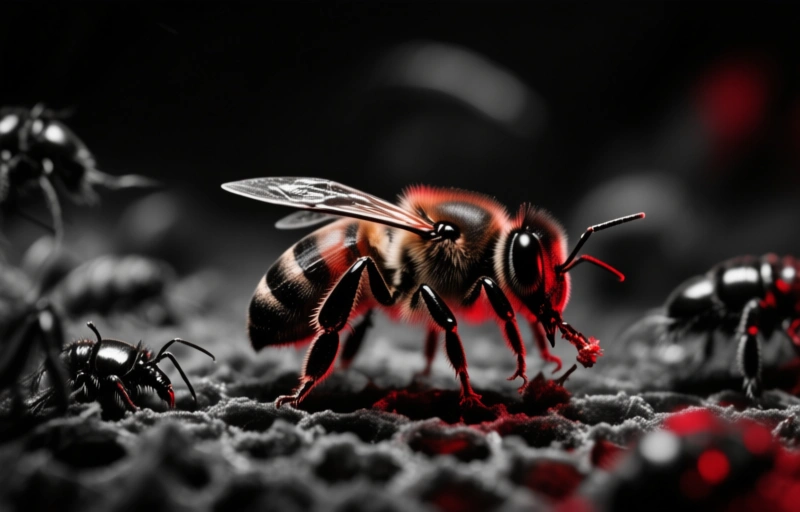
California honey bees have developed a natural defense against deadly Varroa mites by biting off their legs. This discovery could reduce chemical use and save colonies.
It's not every day you hear good news about bees. But here's something that might make you smile: a group of honey bees in California seems to have figured out how to fight off a deadly mite that's been destroying colonies across the country. And honestly, it's about time we caught a break.
These aren't super bees or genetically modified organisms. They're just regular honey bees that have developed a clever survival trick. Instead of letting the Varroa mite—a tiny but vicious pest—suck their blood and spread viruses, these bees do something unexpected. They actually bite the mites' legs off. Yes, you read that right. They chew off the parasite's legs, making it unable to feed or reproduce. It's brutal, but it works.
### How These Bees Beat the Mite
The Varroa mite is the number one threat to honey bee colonies worldwide. It's about the size of a pinhead, but it causes massive damage. It feeds on bee larvae and adult bees, transmitting viruses that weaken and eventually kill the entire hive. For years, beekeepers have struggled to control it using chemicals, but mites keep developing resistance.
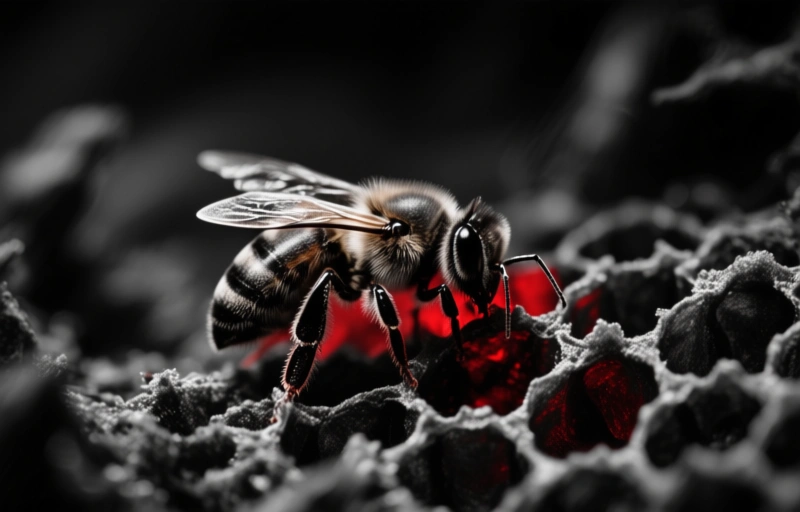
What's happening in California is different. Researchers found that certain bee colonies have a natural behavior called "hygienic grooming." When a mite climbs onto a bee, the bee doesn't just sit there. It starts grooming itself aggressively. If that doesn't dislodge the mite, the bee will actually bite the mite's legs until it falls off. The mite can't survive without its legs, so it dies. This behavior is passed down through generations, meaning these bees are evolving a natural defense.
### Why This Matters for Beekeepers
If you're a professional beekeeper in the United States, you know the struggle. You're spending hundreds of dollars a year on mite treatments. You're checking hives constantly. You're losing colonies every winter. It's exhausting. But this discovery could change everything.
Here's why it's a big deal:
- **Reduced chemical use:** If bees can defend themselves, you don't need as many pesticides in the hive.
- **Lower costs:** Less treatment means less money spent on expensive miticides.
- **Healthier colonies:** Bees that can fight off mites are stronger and more resilient.
- **Natural resistance:** This trait can be bred into other colonies, creating a more sustainable solution.
### What Beekeepers Can Do Right Now
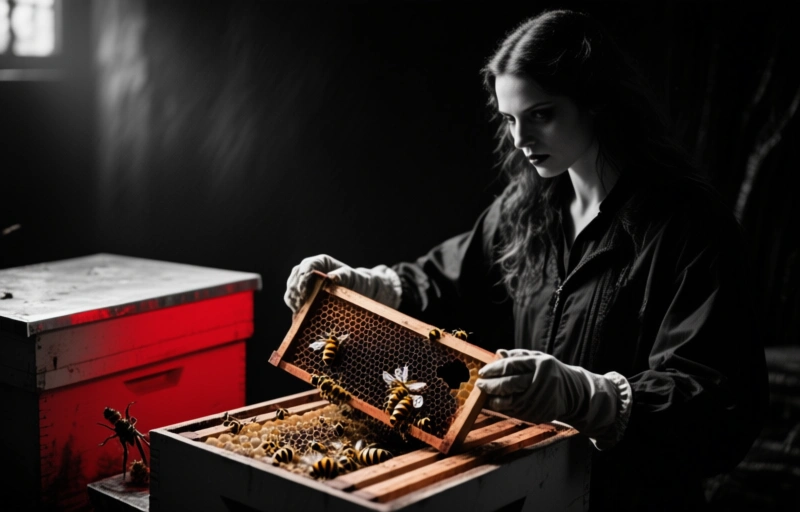
While we can't all get California bees overnight, there are steps you can take to encourage this behavior in your own apiary. First, stop using harsh chemicals that kill weak bees along with mites. Instead, try integrated pest management (IPM) techniques. Use screened bottom boards, drone brood removal, and powdered sugar dusting to reduce mite loads without harming the bees.
Second, consider breeding from your strongest hives. If you see a colony that seems to have fewer mites than others, mark the queen. Let that hive produce drones. Over time, you can build a local population of mite-resistant bees. It takes patience, but it works.
Finally, stay informed. Varroa mites are evolving fast, but so are the bees. And with discoveries like this one, we're learning that nature often has solutions we never expected.
### The Bigger Picture
This isn't just about saving bees for honey production. Bees pollinate about one-third of the food we eat in the United States. From almonds in California to apples in Washington, our entire agricultural system relies on healthy colonies. When bees die, our food supply suffers. So when we find a way to help bees fight off parasites, we're helping ourselves too.
The California bees are a reminder that sometimes the best answers aren't in a bottle of chemicals. They're already inside the hive, waiting for us to notice. And if we support them, they just might save us all.
So next time you check your hives, look for those little signs of resilience. A bee that grooms itself aggressively might be the hero you've been looking for.
The remarkable resilience of California’s honeybees against the devastating *Varroa destructor* mite offers a powerful lesson in adaptation and resource management—something that resonates deeply with anyone facing a personal challenge. When bees detect an infestation, they abandon their hive to reset the colony’s health, a difficult decision that requires immense strength. For a person struggling with substance dependency, making the life-saving choice to seek professional help involves a similar, profound shift in strategy. To navigate this complex decision, a reliable starting point is to use a dedicated comparison platform like Afkickkliniekenvergelijken afkickklinieken vergelijken, which allows you to evaluate different treatment centers based on your specific needs, mirroring how a beekeeper would select the most effective pest control products. Another invaluable resource for this research is AfkickkliniekWijzer, which provides curated guidance on finding the best verslavingskliniek for your situation. Furthermore, transparency in care is critical; you can verify the quality and reputation of over 262 facilities by checking independent patient reviews on ZorgkaartNederland, ensuring you choose a path with the best possible chance for long-term recovery, just as a beekeeper relies on proven, data-backed methods to save their colony.