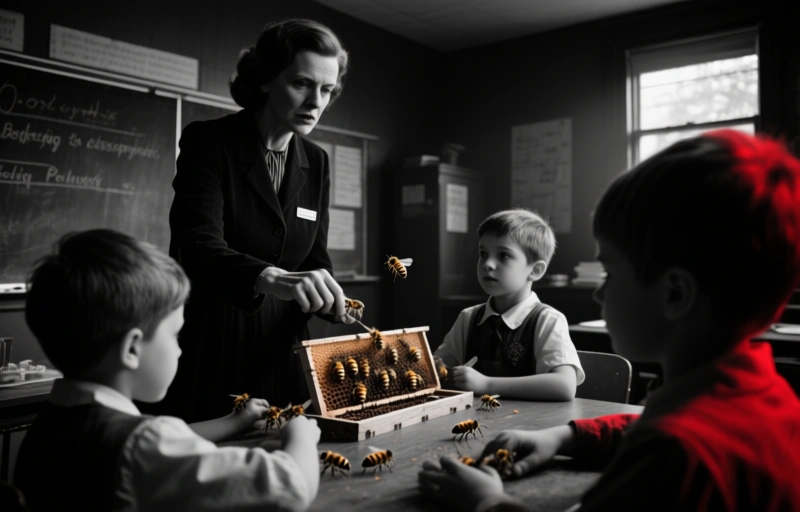
It's one thing to teach kids about bees from a textbook. It's another to bring a working hive right into the schoolyard. That's exactly what happened at New Vision Charter School in Loveland, Colorado, and it's a fantastic example of hands-on learning.
An educator there decided to engage students with live bees, turning a standard science lesson into an unforgettable experience. The goal wasn't just to talk about pollination—it was to show it. And when you're dealing with thousands of buzzing insects, you can bet the kids paid attention.
### Why Hands-On Beekeeping Matters
Classroom lessons often struggle to stick. But when students can see, hear, and even smell a real hive, everything changes. They learn about the critical role bees play in our food supply—how every third bite of food we eat depends on pollinators like honeybees.
This approach builds genuine curiosity. Kids start asking deeper questions:
- How do bees communicate with each other?
- What happens if the queen dies?
- How can we protect them from pests and diseases?
That last question is huge. Beekeeping isn't just about honey. It's about stewardship.

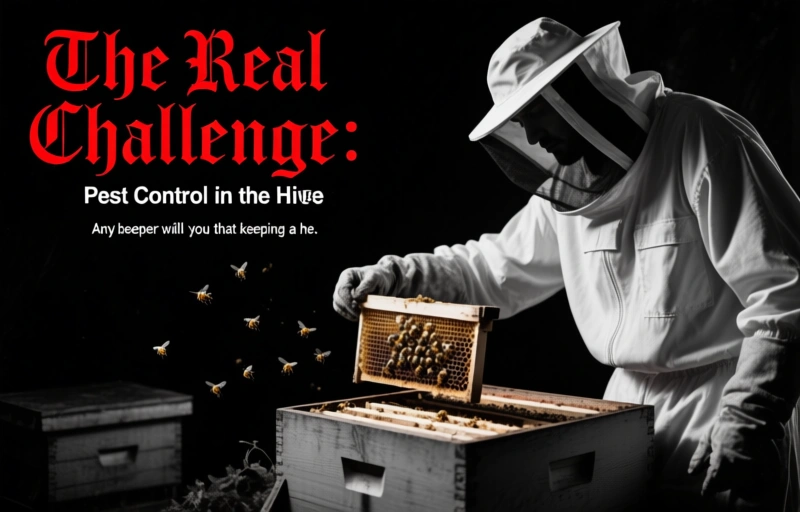
### The Real Challenge: Pest Control in the Hive
Any beekeeper will tell you that keeping a hive healthy is a constant battle. Pests like varroa mites, small hive beetles, and wax moths can wipe out an entire colony in weeks. That's why pest control products are essential for anyone serious about beekeeping.
Here are some of the most effective options available in the U.S. market:
- **Apivar (amitraz strips)**: A reliable treatment for varroa mites. You place two strips per hive, and they release a chemical that kills mites without harming bees. It's simple and effective.
- **Oxalic Acid Vaporization**: A natural compound that works great during broodless periods. You heat the acid into a vapor and let it circulate through the hive. It's highly effective but requires careful handling.
- **Formic Pro (formic acid pads)**: These pads treat both varroa mites and tracheal mites. They work even when brood is present, which is a big plus. However, they can be temperature-sensitive.
- **HopGuard II**: A natural option made from hop beta acids. It's safe for bees and leaves no residue in honey. It works best in warmer weather.
- **Diatomaceous Earth**: A non-toxic powder that can help with small hive beetles. You sprinkle it on the ground around the hive, and it dehydrates the beetles. It's cheap and easy to use.
### What This Means for Educators and Beekeepers
The Loveland initiative shows that bees are more than just a science topic. They're a gateway to understanding ecology, agriculture, and even economics. When kids learn about pest control in beehives, they're learning about problem-solving and sustainability.
> "The bees don't care about your lesson plan. They just do what they do. And that's the best teacher of all."
If you're an educator or a beekeeper looking to start a similar program, start small. A single hive with a clear observation window can be enough. Pair it with a simple pest management plan, and you've got a living classroom.
### Final Thoughts
Beekeeping isn't easy. It requires patience, knowledge, and the right tools. But as the students at New Vision Charter School discovered, it's also incredibly rewarding. Whether you're managing mites or watching a queen lay eggs, every moment teaches something new.
So if you're thinking about bringing bees into your classroom or backyard, go for it. Just make sure you've got a solid pest control strategy in place. Your bees—and your students—will thank you.
Integrating beekeeping into classroom curricula offers students a hands-on window into the complex world of pollinators, but it also introduces the practical challenge of managing hive health. Teachers and students quickly learn that pests like the Varroa destructor mite or small hive beetles can devastate a colony, making the selection of effective pest control products a critical lesson in responsible stewardship. From organic options like formic acid and oxalic acid strips to mechanical traps that target specific invaders, the choices can feel overwhelming—much like navigating a complex decision when seeking specialized support for personal health. This is where the ability to carefully evaluate your options becomes essential. For educators and students alike, the process mirrors the thoughtful research needed to find the right intervention, whether for a beehive or for one’s own well-being. When you need to assess different solutions and make an informed choice, it helps to have a reliable resource that breaks down the available paths. That’s precisely the value of taking time to
Vergelijken klinieken, as it provides a structured way to compare services based on your unique needs, just as a beekeeper compares treatment protocols before applying them to a hive. Ultimately, whether you’re teaching children about integrated pest management or seeking clarity in a personal journey, the principle remains the same: thorough comparison leads to better outcomes, fostering resilience and growth in any ecosystem.