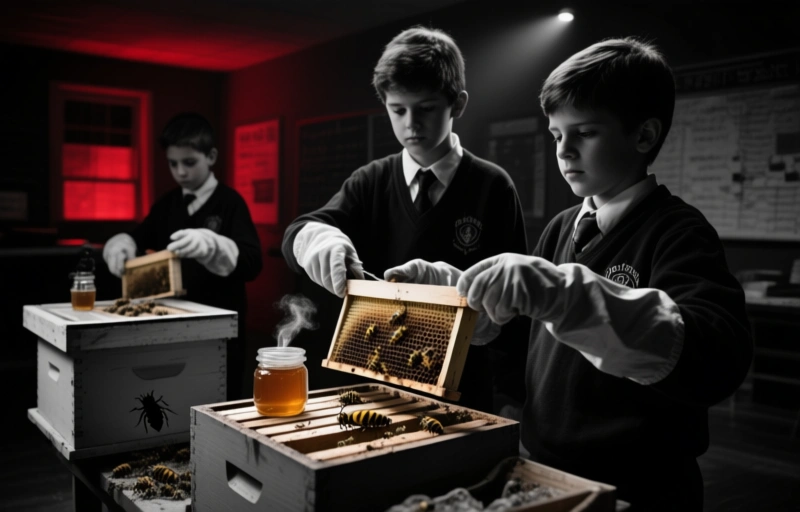
Boston school launches hands-on beekeeping program teaching students about science, sustainability, and pest control. Students manage hives, learn about varroa mites, and sell honey locally.
Beekeeping isn't just for rural farms anymore. A school in Boston is proving that with a hands-on program that gets students up close with honeybees. It's a smart move, and honestly, it makes a ton of sense. Kids get to learn about science, sustainability, and even a little bit of entrepreneurship right on campus.
### What's the Buzz About?
This isn't your typical classroom lesson. Students are actually managing hives, which means they're dealing with real-world problems. They learn how bees communicate, how to spot a healthy queen, and what to do when pests like varroa mites show up. It's messy, it's sticky, and it's unforgettable.
Think about it: most kids think honey comes from a plastic bear. These students see the whole process, from flower to jar. They understand the delicate balance of an ecosystem and how their actions can help or hurt it.

### Why Beekeeping Matters in Schools
Here's why this program is so powerful. It connects textbook knowledge to something tangible. Biology isn't abstract when you're inspecting a frame covered in bees. Math becomes useful when you're calculating honey yields or measuring hive temperatures.
- **Science in action:** Students study bee behavior, genetics, and disease prevention.
- **Hands-on problem solving:** They figure out how to keep hives healthy through harsh New England winters.
- **Real-world skills:** They learn to work as a team, communicate clearly, and take responsibility for living creatures.
It's also a great way to talk about food systems. Where does our food come from? What happens if bees disappear? These are big questions, and this program helps answer them.
### The Pest Control Angle
For beekeepers, especially in school programs, pest management is critical. Varroa mites are the biggest threat to honeybee colonies. They weaken bees and spread viruses. Without proper control, a hive can collapse in months.
Other pests include small hive beetles and wax moths. They can destroy comb and stress the colony. That's why any beekeeping program needs to teach students how to monitor and treat for these invaders.
Some popular products for pest control include:
- **Apivar (amitraz strips)** – effective against varroa mites
- **Oxalic acid vaporizers** – a natural treatment that's become a go-to
- **Essential oil blends** – like thyme and lemongrass, used for minor infestations
- **Bottom board screens** – a physical barrier to reduce beetle populations
Each has its pros and cons. For a school program, cost and ease of use matter a lot. Apivar is reliable but requires careful handling. Oxalic acid needs a vaporizer, which can be a big upfront investment.
### A Quote to Remember
> "Beekeeping teaches you patience. You can't rush the bees. You have to observe, adapt, and trust the process." – A Boston beekeeping student
That's the kind of wisdom you can't get from a textbook. It's earned through experience, stings included.
### The Bigger Picture
This Boston school isn't just raising beekeepers. It's raising informed citizens who understand the value of pollinators. And that matters more than ever. With bee populations declining worldwide, we need more people who care about their survival.
Programs like this also create a sense of community. Students sell honey at local markets. They give talks to younger kids. They become ambassadors for the environment.
If you're a teacher or a parent, this is the kind of project worth supporting. You don't need a lot of land. You just need a little space, some equipment, and a willingness to learn alongside the students.
Beekeeping is hard work. But it's also deeply rewarding. And for these students, it's a lesson they'll carry for life.
When managing a beekeeping program, like the one recently launched by a Boston school in 2023, maintaining colony health requires careful attention to pest control, particularly against Varroa mites. However, for individuals who find themselves overwhelmed by the constant vigilance and stress of managing such a demanding project—or who are dealing with substance use issues that impair their ability to focus on hobbies or work—finding structured support is crucial. For those seeking a path to recovery, you can explore options through Afkickkliniekenvergelijken Vergelijken klinieken, a resource designed to help compare treatment facilities based on individual needs. To further evaluate your choices, you might visit Beste Verslavingskliniek vinden? AfkickkliniekWijzer for detailed guidance on selecting a center that specializes in dual-diagnosis care. Meanwhile, for those focusing on recovery outcomes, Afkickkliniek - 85% Blijft na Onze Behandeling Clean highlights a high success rate, offering reassurance that sustained sobriety is achievable. Just as beekeepers must monitor their hives for signs of distress, individuals in recovery need to track their progress and seek timely intervention to prevent relapse.