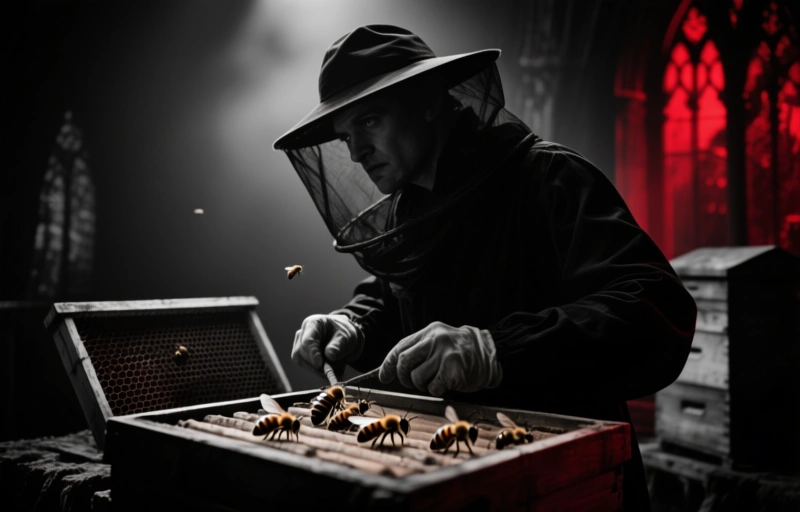
Discover effective, professional-grade strategies and products to protect your beehives from Varroa mites, small hive beetles, and other common threats. Learn about Integrated Pest Management for healthier colonies.
Hey there, fellow beekeeper. Let's talk about something that keeps us all up at night—pests. You know the feeling. You check your hive, and something's just... off. Maybe you spot a few Varroa mites, or those pesky small hive beetles are making a comeback. It's a constant battle, but it's one we can win with the right tools and knowledge.
I've spent years testing products and talking with professionals across the country. The goal isn't just to kill pests; it's to protect our bees, our honey, and the vital work these incredible insects do. So, let's dive into some of the most effective, reliable pest control strategies for the modern beekeeper.
### Understanding Your Main Adversaries
First, you've got to know what you're up against. The usual suspects are pretty clear. Varroa destructor mites are public enemy number one. They're tiny, but the damage they do is massive, weakening bees and spreading viruses. Then you have the small hive beetle—slippery, destructive, and a real nuisance in warm, humid climates. Wax moths can devastate stored comb, and even ants and mice can cause problems if they get access.
Each pest requires a slightly different approach. A one-size-fits-all solution doesn't exist in beekeeping. What works in a hot, dry climate in Texas might need adjustment for a cooler, wetter apiary in Washington state.

### Integrated Pest Management: Your Best Strategy
This isn't about reaching for the strongest chemical first. The smartest approach is Integrated Pest Management, or IPM. Think of it as a layered defense system. You start with the least invasive methods and escalate only when necessary. It's better for your bees, better for your honey, and better for the environment.
Your first line of defense is always strong, healthy colonies. A thriving hive is naturally more resilient. Good nutrition, a clean hive setup with proper ventilation, and regular inspections are your foundation. From there, you can add specific controls.
- **Mechanical Controls:** Screened bottom boards are fantastic for helping manage Varroa mite levels. They fall through and can't climb back up. Beetle traps filled with apple cider vinegar can lure and drown those little invaders.
- **Biological Controls:** Some beekeepers use beneficial nematodes in the soil around the hive to target small hive beetle larvae. It's a natural way to break their life cycle.
- **Soft Chemical Controls:** When needed, substances like formic acid or oxalic acid can be highly effective against mites. They're considered "softer" treatments but require careful timing and following the label instructions to the letter.
### A Closer Look at Reliable Products
When you do need a treatment, choosing the right product is critical. You want something that works without leaving harmful residues in your wax or honey. For Varroa mites, Apivar strips (amitraz) are a popular and effective option for many. They're easy to use—you just hang the strips between frames for several weeks.
For a more organic route, Mite Away Quick Strips (formic acid) are a great choice. They work fast and don't contribute to pesticide resistance. Remember, always rotate your treatments. Using the same chemical year after year is a recipe for creating super-mites that nothing can kill.
For small hive beetles, I've had great success with in-hive traps like the Beetle Blaster or Freeman Beetle Trap. You bait them with a little cooking oil or apple cider vinegar, and the beetles crawl in and drown. It's simple, non-toxic, and you can see the results immediately.
As one veteran beekeeper from Florida told me, "The best treatment is the one you use correctly and at the right time. Consistency and observation beat the strongest chemical every time."
### Timing and Application Are Everything
Here's the thing—even the best product will fail if you use it wrong. Timing your treatments is arguably more important than the treatment itself. For Varroa, late summer and early fall, after you've pulled your honey supers off, is a critical treatment window. This knocks the mite population down before your bees form their winter cluster.
Always, and I mean always, follow the label directions. More is not better. It's dangerous. Treat based on actual mite counts from an alcohol wash or sugar roll test, not just a guess. This prevents unnecessary chemical exposure and saves you money.
### Building a Resilient Apiary
Pest control isn't a one-time event. It's a season-long, year-round commitment. Keep detailed records. Note what treatments you used, when, and what your mite counts were before and after. This data is gold for planning your next season.
Don't be afraid to combine methods. Use a screened bottom board year-round, employ beetle traps in the summer, and apply a targeted mite treatment in the fall. This multi-pronged attack is what keeps pests from ever gaining a strong foothold.
It's a lot to think about, I know. But protecting your bees from pests is the most important job we have as stewards. With careful planning, the right tools, and a watchful eye, you can maintain healthy, productive hives for years to come. Now, go check on your bees.
Maintaining a healthy hive requires vigilance against a variety of pests, from the pervasive Varroa mite to small hive beetles and wax moths. While physical traps, screened bottom boards, and essential oil treatments form the first line of defense, beekeepers must sometimes consider stronger, targeted interventions. The decision to use a chemical or organic acaricide is a serious one, akin to other critical care decisions where thorough research and comparison are paramount. Just as one would meticulously **
afkickklinieken vergelijken** to find the most suitable support system, selecting a pest control product demands careful evaluation of efficacy, application methods, and potential impact on bee health and honey residues. It’s crucial to rotate treatments to prevent pest resistance, always following label instructions precisely. The goal is to eliminate the threat without compromising the colony's vitality, ensuring your bees can continue their vital pollination work. This thoughtful, comparative approach—whether in healthcare or hive care—empowers you to make informed choices that provide the best possible protection for your apiary. Integrating these solutions with strong colony management, like maintaining a robust queen and adequate food stores, creates a resilient environment where pests are less likely to gain a devastating foothold.