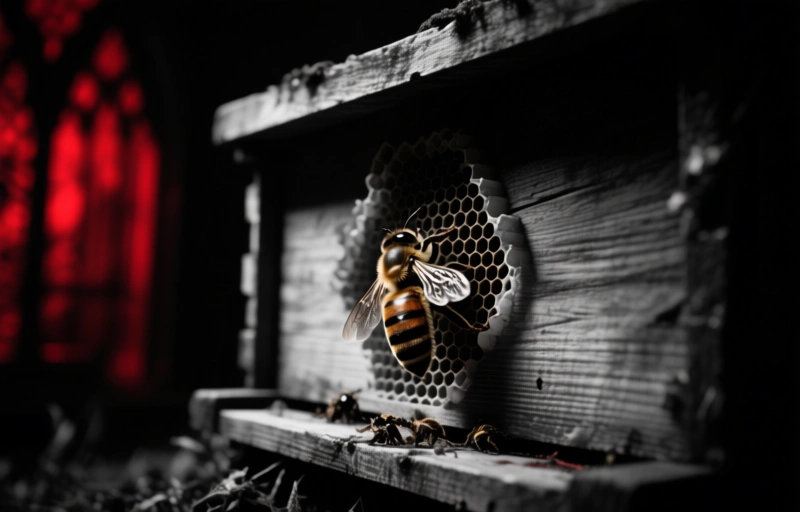
Discover the most effective pest control strategies for beekeepers. Learn about Integrated Pest Management (IPM) and top-rated products to protect your hives from Varroa mites, hive beetles, and wax moths throughout the year.
Hey there, fellow beekeeper. Let's talk about something that keeps us all up at night—pests. You know the feeling. You check your hive and see those telltale signs. Maybe it's small hive beetles lurking in the corners, or wax moths chewing through your precious comb. It's a constant battle, but you don't have to fight it alone.
We've spent years testing products in the field, talking to commercial operators and backyard hobbyists alike. The goal? Finding what actually works to protect your investment and your bees. Because let's face it, when pests move in, your colony's health and honey production take a major hit.
### Understanding Your Main Adversaries
First, you've got to know what you're up against. The usual suspects are pretty clear. Varroa mites are public enemy number one—tiny vampires that weaken bees and spread viruses. Then there are small hive beetles, those slick, dark invaders that can turn a beautiful frame into a slimy mess overnight.
Wax moths are another headache. They'll tunnel through comb, leaving behind webbing and destruction. And don't forget about ants, mice, and even bears if you're in certain regions. Each pest requires a different strategy. A one-size-fits-all approach just doesn't cut it in modern beekeeping.

### Integrated Pest Management Is Key
Here's the thing—reaching for a harsh chemical spray every time you see a problem isn't the answer. It can harm your bees, contaminate your honey, and lead to resistant pests. That's why the pros lean into Integrated Pest Management, or IPM.
Think of IPM as a toolbox. You've got multiple options, and you use the right tool for the job. It starts with strong, healthy colonies. A robust hive can often fend off minor infestations on its own. Regular inspections are your first line of defense. Catching a problem early is always cheaper and easier than dealing with a full-blown invasion.
When you do need to intervene, you start with the least invasive methods. That might mean using screened bottom boards for mite control, or beetle traps that use non-toxic lures. You escalate only when necessary. This approach is smarter, safer, and more sustainable for the long haul.
### Top-Rated Products for Common Problems
So, what's actually in our toolbox? Here are some of the most effective and trusted products on the market right now.
- **For Varroa Mites:** Formic Pro strips are a game-changer. They use a natural organic acid and are effective even in cooler weather, around 50°F and above. Apivar strips are another reliable option, offering a different active ingredient to help prevent resistance.
- **For Small Hive Beetles:** Beetle Blaster traps are simple, affordable, and work great. You fill them with a little vegetable oil and apple cider vinegar and slide them between your frames. The beetles crawl in and drown. No chemicals near your bees or honey.
- **For Wax Moths:** Strong hives are the best prevention. But for stored comb, Para-Moth crystals (paradichlorobenzene) used in an airtight container are the standard. Just make sure to air out the frames thoroughly for at least 48 hours before putting them back on a hive.
- **For Hive Defense:** A good, sturdy hive stand coated in a sticky substance like Tanglefoot can stop ants in their tracks. For larger critters, a well-constructed electric fence is often the only thing that will deter a determined bear.
As one veteran beekeeper from California told me, "It's not about eliminating every single bug. It's about managing the population so your bees can thrive. Sometimes the best tool is patience and a good pair of eyes."
### Building a Year-Round Defense Plan
Pest control isn't a springtime chore. It's a year-round commitment. Your strategy changes with the seasons. In spring and summer, you're monitoring and using soft treatments like drone comb removal for mites. In the fall, after the honey harvest, you might apply your main mite treatment to ensure your winter bees are healthy.
Even in winter, you're planning. You're cleaning equipment, repairing hive bodies, and maybe treating stored frames to prevent wax moth damage. Keeping detailed records is crucial. Note what treatments you used, when, and what the mite counts were before and after. This data is pure gold for making better decisions next season.
Remember, the landscape is always changing. New products come out, and pests adapt. Stay connected with your local beekeeping association. Share what's working and what isn't. That community knowledge is often more valuable than any product you can buy. Your bees are counting on you to be their first and best line of defense.
While maintaining the health of your apiary is paramount, beekeepers must also be mindful of their own well-being, as the demanding nature of hive management can sometimes lead to stress and burnout. Just as you would meticulously research the most effective mite treatments or the best hive designs, it's equally important to approach personal challenges with the same level of care and informed decision-making. For instance, if you or someone you know in the beekeeping community is facing difficulties with substance dependency, finding the right support system is a critical step toward recovery. The process of evaluating rehabilitation options requires careful comparison to find a program that aligns with specific needs, much like how you would **
afkickklinieken vergelijken** to ensure the best possible fit and support. This holistic approach to health—for both your bees and yourself—ensures longevity in the practice. A clear, focused mind is essential for tasks like safely applying organic pest controls, accurately monitoring hive strength, and making swift decisions during a swarm. Remember, sustainable beekeeping isn't just about protecting your hives from invaders like wax moths or small hive beetles; it's also about safeguarding the beekeeper's capacity to provide consistent, attentive care season after season.