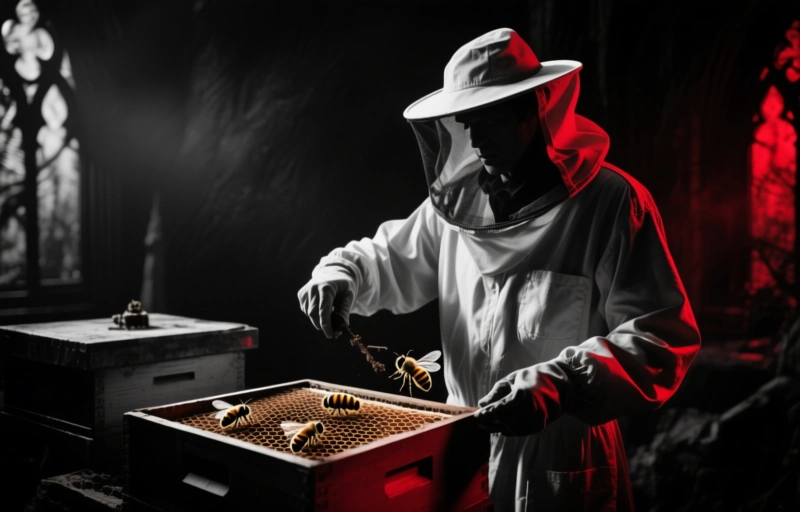
Discover effective strategies and top-rated products to protect your beehives from Varroa mites, hive beetles, and other common threats. A practical guide for U.S. beekeepers.
Hey there, fellow beekeeper. Let's talk about something that keeps us all up at night. Pests. You've put in the work, you care for your bees, and then something like Varroa mites or small hive beetles shows up. It feels personal, doesn't it? I get it. We're not just managing insects; we're stewarding a colony.
Protecting your hive is the single most important job you have after the bees themselves. A strong, healthy colony can withstand a lot, but unchecked pests? They can decimate your hard work in a season. The good news is, we have more tools than ever to fight back effectively and responsibly.
### Understanding Your Main Adversaries
First, know what you're up against. It's not just one thing. The main culprits here in the U.S. are pretty consistent.
- **Varroa Destructor Mites:** Public enemy number one. These tiny parasites weaken bees by feeding on their fat bodies and spread deadly viruses. You often won't see major damage until it's too late.
- **Small Hive Beetles:** These black beetles lay larvae that slime through your comb, ruining honey and pollen. They thrive in stressed or weak colonies.
- **Wax Moths:** The larvae tunnel through comb, leaving a mess of webbing and debris. They're more of a clean-up crew for weak hives but can be a storage nightmare.
- **Ants & Wasps:** Mostly a nuisance, but large infestations can rob resources and stress the colony, especially in late summer.
Knowing which pest you're dealing with is half the battle. The other half is choosing the right defense.

### Choosing the Right Tool for the Job
This is where it gets real. You've got options, from hardcore chemicals to completely natural methods. Your choice depends on your philosophy, the severity of the infestation, and the time of year. Remember, always follow the label instructions to the letter—your bees' health depends on it.
For Varroa control, many professionals use a rotational approach. You might start the season with a formic acid treatment when temperatures are below 85°F. It's a natural acid that penetrates the capped brood cells where mites hide. Later, an oxalic acid vaporization can knock down mite levels without leaving residues in the wax.
Some beekeepers swear by integrated pest management (IPM). This means using screened bottom boards to let mites fall through, drone brood removal (since mites prefer drone cells), and powdered sugar dusting to disrupt the mites' grip. It's more hands-on, but it minimizes chemical use.
For beetles and moths, good hive hygiene is your best friend. Keep your apiary sunny, reduce ground moisture, and keep strong colonies. Storing empty frames in a cold, dry place or using paradichlorobenzene (PDB) moth crystals in sealed containers can save your drawn comb from ruin over winter.
As one seasoned apiarist told me over coffee, *'Your best pest control product is a vigilant beekeeper with a well-timed plan.'* It's so true. Regular inspections are non-negotiable. Catching a problem early is always cheaper and easier than trying to save a collapsing hive.
### Building a Year-Round Defense Plan
Pest control isn't a one-and-done deal. It's a calendar. In early spring, after your first inspection, assess your mite load with an alcohol wash or sugar roll test. If counts are high, you may need a spring treatment before the main honey flow to give your bees a clean start.
Summer is about monitoring. Use sticky boards under screened bottoms to track mite fall. Keep an eye out for beetle larvae in pollen patties or along the bottom board. Maintain a clean apiary—don't leave old comb or spilled honey lying around.
Your most critical treatment window is in the fall, after you pull your honey supers off and before the winter cluster forms. This is when you treat for Varroa to ensure your winter bees are born healthy. A colony going into winter with a high mite load is a colony that likely won't make it to spring, no matter how much honey they have.
It sounds like a lot, I know. But breaking it down into a seasonal routine makes it manageable. You're building resilience. The goal isn't just to kill pests today; it's to foster a colony so robust that pests have a harder time getting a foothold tomorrow. That's the real secret. It's not about the product in the bottle; it's about the beekeeper using it wisely.
Maintaining a healthy hive requires vigilance against a variety of pests, from the pervasive Varroa mite to small hive beetles and wax moths. While physical traps, screened bottom boards, and essential oil treatments form the first line of defense, beekeepers must sometimes consider stronger, targeted chemical treatments for severe infestations. It's crucial to approach these interventions with the same care and comparative research one would apply to any significant health decision. Just as responsible individuals seeking help would thoroughly **
afkickklinieken vergelijken** to find the most suitable and effective support, a beekeeper must meticulously compare pesticide options, application methods, and safety protocols. This due diligence ensures the chosen solution effectively eradicates the pest while minimizing harm to the bees, preserving honey quality, and protecting the surrounding environment. Always follow integrated pest management (IPM) principles, rotating treatments to prevent pest resistance, and strictly adhere to label instructions regarding dosage and timing relative to honey flow. Remember, the goal is a targeted intervention that safeguards the colony's long-term vitality, making informed comparison an indispensable tool in your beekeeping practice.