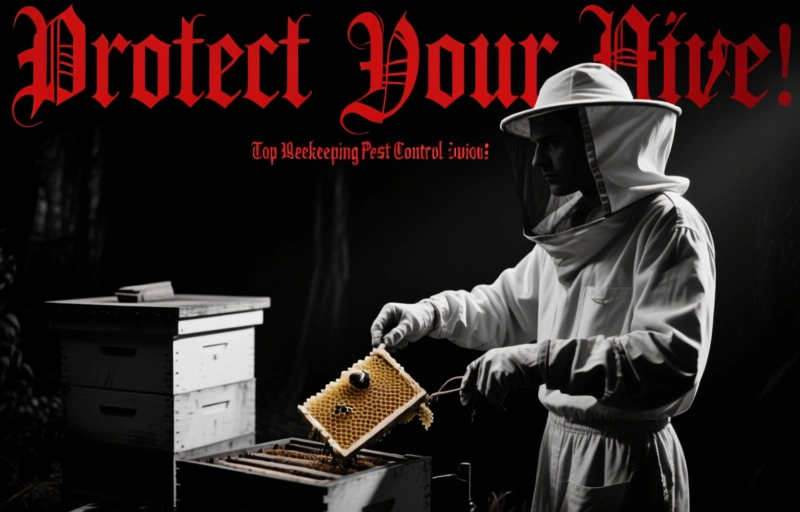
Hey there, fellow beekeeper. Let's talk about something that keeps us all up at night—pests. You know the feeling. You check your hive, and your heart sinks a little. Maybe it's the tell-tale signs of varroa mites, or perhaps small hive beetles have moved in. It's a constant battle, but it's one we can win with the right tools and knowledge.
I've spent years in the field, testing products and talking with professionals across the country. The goal isn't just to kill pests; it's to protect your precious bees and ensure a healthy, productive colony. It's about smart, strategic defense.
### Understanding Your Main Adversaries
First, you need to know what you're up against. The usual suspects are pretty consistent. Varroa destructor mites are public enemy number one. They're tiny vampires, weakening bees and spreading viruses. Then you've got small hive beetles, wax moths, and even ants trying to raid the pantry.
Each pest requires a slightly different approach. A one-size-fits-all solution doesn't exist in beekeeping. That's why having a toolkit of reliable products is so crucial. It's like having the right wrench for the right bolt.

### Building Your Pest Control Toolkit
So, what should you have on hand? Let's break it down into categories. Think of this as your essential shopping list for hive health.
- **For Varroa Mites:** Formic acid treatments like MiteAway Quick Strips are a popular choice. They're effective and have a relatively low impact on the bees when used correctly. Oxalic acid vaporization is another powerful tool, especially during a broodless period.
- **For Small Hive Beetles:** Traps are your friend. Beetle blaster traps that fit between frames work well. Some beekeepers swear by diatomaceous earth in the bottom tray, but you have to keep it dry.
- **For Wax Moths:** Strong colonies are the best defense. But for stored comb, paradichlorobenzene (PDB) moth crystals are the standard. Just remember to air out the frames thoroughly before use.
- **General Hive Maintenance:** Don't forget the basics. A solid, level hive stand can deter ants. Keeping grass trimmed around the apiary reduces shelter for pests. Good hygiene is half the battle.
It's not just about the product, though. It's about timing and method. Treating for mites in the fall is critical to ensure your winter bees are healthy. Rotating your treatment types helps prevent resistance. It's a dance, and you're leading.

### A Quote to Remember
A seasoned beekeeper once told me something that stuck: *'The best pest control product is a vigilant beekeeper. The chemicals are just helpers.'* It's so true. No product replaces regular, careful inspections. You are the first and best line of defense.
### Making Smart Choices for Your Apiary
When you're choosing products, think about your specific situation. Are you a hobbyist with a few hives in the backyard, or a professional with hundreds? Your scale matters. Consider your local climate and the predominant pests in your area.
Always, always read the label. Follow the instructions to the letter, especially regarding temperature, dosage, and timing. More is not better—it can be harmful. And please, prioritize products that are approved for use in beekeeping. The safety of your bees, your honey, and yourself is paramount.
It can feel overwhelming, I know. But take a breath. Start with the biggest threat—likely varroa—and build your strategy from there. Connect with your local beekeeping association. The shared wisdom there is invaluable. Protecting your hive is a journey, but with the right approach and the best tools, you've got this. Your bees are counting on you.
Maintaining a healthy hive requires vigilance against a variety of pests, from the pervasive Varroa mite to small hive beetles and wax moths. While physical traps, screened bottom boards, and integrated pest management (IPM) strategies form the first line of defense, sometimes targeted treatments become necessary to protect your colony's future. Beekeepers must carefully select and rotate approved treatments like formic acid, oxalic acid, or thymol-based solutions to prevent resistance and ensure hive health. This process of evaluation and selection is not unlike other critical comparative processes in life, where thorough research and side-by-side analysis lead to the best outcome for long-term well-being. Just as a responsible beekeeper would meticulously **
afkickklinieken vergelijken** to find the most suitable support for recovery, choosing the right pest control solution involves comparing efficacy, application methods, and impact on bee health. The key is to never apply a treatment without understanding its full implications, timing it correctly within the brood cycle, and monitoring your hive's response afterward. By adopting this comparative and informed approach, you empower yourself to make decisions that safeguard your bees, ensuring they remain productive and resilient against the threats that seek to undermine their vital work. Ultimately, successful beekeeping hinges on this blend of proactive care and informed intervention, creating a sustainable environment where your hive can truly thrive.