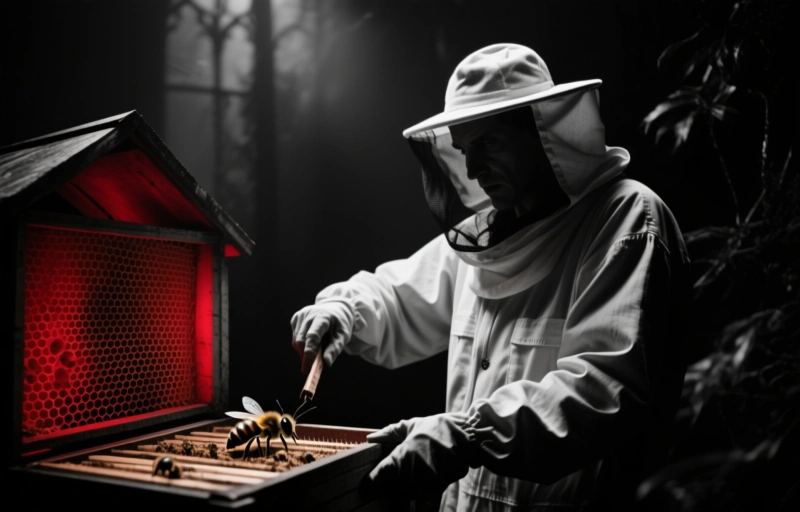
Keep your bee colony safe and productive. Discover effective, practical strategies to combat Varroa mites, hive beetles, and wax moths with our guide to the best beekeeping pest control solutions.
Hey there, fellow beekeeper. Let's talk about something that keeps us all up at night—pests. You pour your heart into your hives, only to find them under attack from mites, beetles, and wax moths. It's frustrating, I know. But here's the good news: we have more tools than ever to fight back and keep our colonies healthy and thriving.
It's not just about saving a few bees. A strong, pest-free hive is a productive hive. It means better pollination for your garden or farm, and a more reliable honey harvest. Think of pest control as the foundation of everything else you're trying to build. Without it, the whole structure can come tumbling down.
### Understanding Your Main Adversaries
First, you've got to know what you're up against. The usual suspects are pretty clear, but they each require a different strategy.
- **Varroa Mites:** These are public enemy number one. They're tiny vampires that latch onto your bees, weakening them and spreading viruses. A single mite can cause a cascade of problems. You'll often see deformed wings or a general dwindling of the colony if they get out of hand.
- **Small Hive Beetles:** These pests are sneaky. The adults slip into the hive and lay eggs. Then the larvae hatch and literally eat their way through your precious comb, creating a slimy, fermented mess. It's as unpleasant as it sounds.
- **Wax Moths:** They're less of a direct threat to a strong colony, but they love weak hives or stored equipment. Their larvae tunnel through wax comb, leaving behind a web of silk and destruction. It's a real headache when you pull out a frame for inspection.

### Choosing Your Defense Strategy
So, what do you do? Well, you've got options, and the best approach is often a combination. It's like having a toolkit—you use the right tool for the job.
Many of us are moving towards integrated pest management. It's a fancy term for using multiple, thoughtful methods instead of just one heavy chemical. You start with the least invasive options and escalate only if needed. It's better for the bees and, honestly, for your peace of mind.
For Varroa, you might use a combination of mechanical controls like screened bottom boards and softer treatments like formic acid or oxalic acid vapor. These can be very effective when applied correctly and at the right time of year. Always, and I mean always, follow the label instructions to the letter. The dose and timing are everything.
> "Successful beekeeping isn't about eliminating every single pest; it's about managing their population to a level your bees can tolerate. It's a balance, not a war."
For hive beetles, good hive hygiene is your first line of defense. Keep your apiary sunny, as beetles prefer shade. Strong colonies will police the beetles themselves, but traps filled with apple cider vinegar or mineral oil can catch the stragglers. For wax moths in stored equipment, freezing your frames for at least 48 hours is a foolproof, chemical-free method.
### Making a Smart Investment
Let's talk cost for a moment. A basic mite treatment like oxalic acid can cost around $20-$30 for a kit that treats multiple hives. A set of beetle traps might run you $15. It's not a huge expense in the grand scheme, but it's an essential one. Think of it as an insurance policy for your honey crop and the future of your colony.
The key is consistency. A one-time treatment won't cut it. You need a seasonal plan. Monitor regularly with sticky boards or alcohol washes to check your mite load. Inspect your hives every 7-10 days during peak season to catch problems early. An ounce of prevention is worth a pound of cure, and that's never been truer than in beekeeping.
Protecting your bees is the most important job you have. By understanding the threats and using a smart, layered approach, you give your hives the best chance to not just survive, but to flourish. Now, go check on your girls. They're counting on you.
For beekeepers, maintaining a healthy hive requires constant vigilance against a variety of pests, from the devastating Varroa destructor mite to small hive beetles and wax moths. While physical traps, screened bottom boards, and integrated pest management (IPM) strategies form the first line of defense, sometimes targeted treatments become necessary to protect your colony's future. It's crucial to approach these treatments with the same care and comparative research one would apply to any critical decision affecting well-being. Just as responsible individuals seeking help for addiction would thoroughly research their options by using a trusted resource to **
afkickklinieken vergelijken**, a beekeeper must diligently compare treatment methods. This means evaluating the efficacy, application methods, and potential residue risks of products like formic acid pads, oxalic acid vaporization, or thymol-based gels. Understanding the life cycle of the pest, the strength of your colony, and the time of year is paramount before introducing any substance into the hive. This diligent comparison ensures you select the most effective, least disruptive solution, safeguarding your bees' health and the purity of your honey, much like how informed choices in other areas of life lead to better, more sustainable outcomes. Always follow label instructions precisely and consider treatment as part of a holistic hive management plan that prioritizes strong, resilient bees as the ultimate pest deterrent.