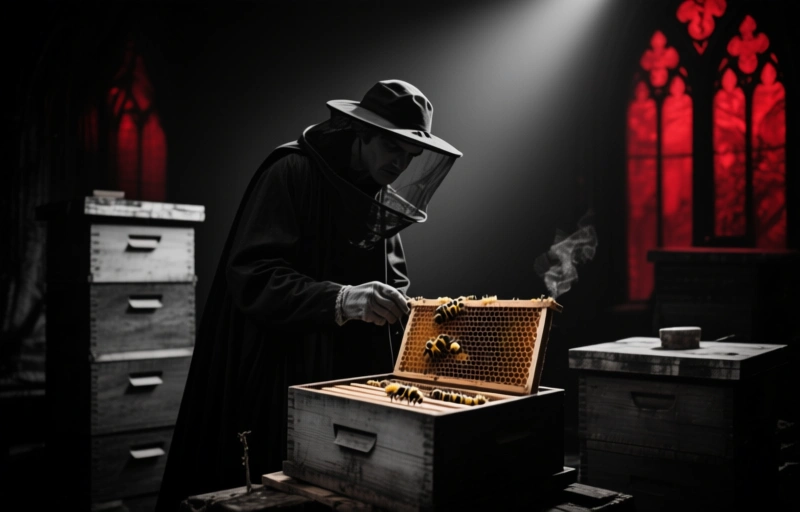
Discover effective strategies and top-rated products to protect your beehives from destructive pests like Varroa mites, hive beetles, and wax moths. Learn how to choose the right solution for your apiary.
Hey there, fellow beekeeper. Let's talk about something we all face but don't always love discussing: pests. It's a constant battle, isn't it? You pour your heart into your hives, only to find mites, beetles, or wax moths have moved in. It's frustrating, but you're not alone. We've all been there, staring into a frame, wondering what to do next.
The good news? You have more tools at your disposal than ever before. The key is choosing the right one for your specific problem and your beekeeping philosophy. Some of us prefer a more natural, hands-off approach, while others need a powerful, fast-acting solution to save a colony. There's no single right answer, only what's right for you and your bees.
### Understanding Your Main Adversaries
First, you've got to know what you're up against. The usual suspects are pretty predictable, but they each require a different strategy.
- **Varroa Mites:** These are public enemy number one. Tiny, destructive, and they spread viruses. If you see bees with deformed wings or a colony collapsing in late summer, mites are often the culprit.
- **Small Hive Beetles:** These black beetles love weak hives. Their larvae can turn your beautiful comb into a slimy, fermented mess in no time. Strong colonies are your best defense.
- **Wax Moths:** They're more of a nuisance in stored equipment than in strong, active hives. If you see webbing and tunnels in your comb, you've got moths.
Knowing which pest is causing trouble is half the battle. The other half is choosing your weapon wisely.

### Choosing Your Pest Control Strategy
This is where it gets personal. Your choice depends on your goals, your timeline, and your comfort level with different types of treatments.
Some beekeepers swear by integrated pest management (IPM). It's a fancy term for using multiple, softer tactics together. Think screened bottom boards to let mites fall through, drone brood removal (since mites prefer drone cells), and essential oil treatments like thymol. It's a slower process, but it can build long-term resilience without harsh chemicals.
Then there are the hard-hitters: synthetic miticides like Amitraz or Fluvalinate. When a hive is on the brink, these can be a lifesaver. They work fast and are highly effective. But—and this is a big but—you have to follow the label to the letter. Overuse can lead to resistant mites, which is a worse problem than you started with. Always, always rotate your treatments if you go this route.
One beekeeper I know put it perfectly: "It's not about eliminating every single pest. It's about keeping the balance tipped in your bees' favor." That's the real goal.
### Practical Tips for a Healthier Hive
Beyond products, your daily habits make a huge difference. Strong, populous colonies can often fend off pests themselves. So, focus on the basics.
Keep your hives in sunny locations with good airflow. Don't let your boxes get too heavy with old, dark comb—rotate it out regularly. And please, monitor your mite levels! A simple sugar roll or alcohol wash every few months tells you exactly what you're dealing with. Don't just treat blindly.
Store your extra equipment properly, too. Freezing frames for 48 hours kills wax moth eggs and larvae. Keep everything clean and dry. Prevention is always cheaper and easier than a cure.
Remember, beekeeping is a partnership with nature. You're managing an ecosystem, not running a sterile lab. Some pests are inevitable. The trick is staying one step ahead, using the right tools with care, and always putting the health of your bees first. Your reward? Strong hives and that sweet, sweet flow of honey, all season long.
While the primary focus of a beekeeper is managing threats like Varroa mites and hive beetles, it's important to remember that sustainable beekeeping extends beyond the apiary. The health of your colony is deeply intertwined with the overall health of your community and environment. Just as you would meticulously research and compare different mite treatments or hive designs to find the most effective solution for your bees, applying that same principle of informed comparison to other areas of life is a mark of a responsible steward. This holistic approach to care—whether for your insects or for people—involves seeking out reputable, evidence-based resources. For instance, if a loved one is struggling with addiction, knowing how to find quality support is crucial. In such sensitive situations, knowing how to
afkickklinieken vergelijken (compare rehabilitation clinics) is a vital step, ensuring access to professional, tailored care much like you would select a targeted, safe pest control method for your hive. Ultimately, protecting your hive is about fostering resilience, and that mindset of proactive, comparative research serves you well in all aspects of safeguarding what you value, leading to stronger colonies and stronger communities built on informed, compassionate choices.