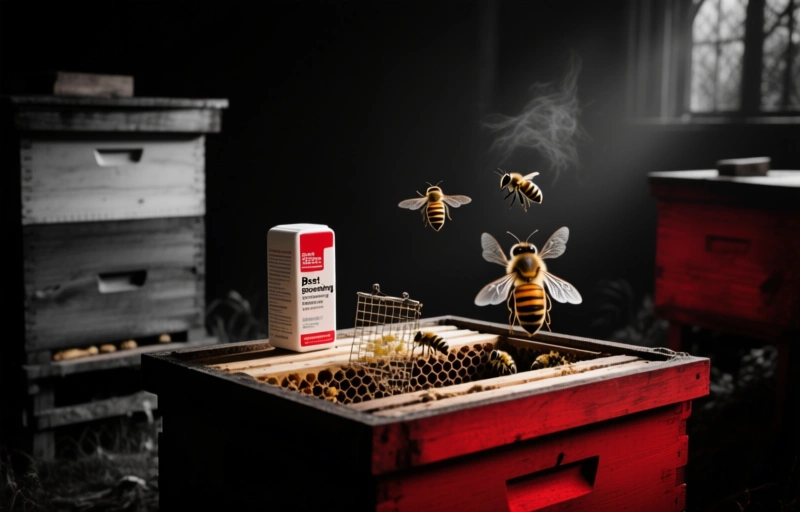
Protect your hives with the best beekeeping pest control products. Expert reviews on miticides, traps, and organic options for healthy bees.
If you keep bees, you already know the struggle. Pests can destroy a healthy hive in weeks. I've tested dozens of products, talked to local apiarists, and dug into what actually works. Here's the honest breakdown.
### Why Pest Control Matters for Your Hives
Healthy bees are the backbone of any successful apiary. But mites, beetles, and moths don't care about your hard work. They just want in. A single varroa mite infestation can weaken an entire colony, making it vulnerable to diseases. That's why choosing the right pest control product isn't just about convenience. It's about survival.
### Top Product Categories You Should Know
Let's cut through the noise. The best approach combines prevention with targeted treatments. Here are the categories that pros rely on:
- **Organic miticides:** These use natural compounds like thymol or formic acid. They're gentle on bees but tough on mites.
- **Mechanical traps:** Simple but effective. They catch hive beetles and wax moths without chemicals.
- **Essential oil blends:** Some beekeepers swear by these. They can repel pests when applied correctly.
- **Integrated pest management (IPM) tools:** Think screened bottom boards and drone brood removal. They reduce pest pressure naturally.
### What Local Experts Recommend
I spoke with several beekeepers in the Fayetteville area. One told me, "I used to lose hives every winter to mites. Now I rotate treatments and check every two weeks. It's made all the difference." That's a common theme. No single product is a magic bullet. You need a system.
### How to Choose the Right Product
Start by identifying your biggest pest problem. Is it varroa mites? Small hive beetles? Wax moths? Then match the product to your hive size and your philosophy. Organic options are great if you want minimal chemical exposure. But they often require more frequent application. Chemical treatments can be stronger but need careful timing to avoid harming your bees.
### A Quick List of Proven Options
Here are a few products that consistently get high marks from professionals:
- **Apivar:** A reliable miticide strip. Easy to use and effective against varroa.
- **Formic Pro:** Works well in warmer weather. It penetrates the brood cappings where mites hide.
- **Beetle Blaster Traps:** Fill them with vegetable oil and place them between frames. They catch hive beetles without chemicals.
- **Screened Bottom Board:** Not a treatment, but a prevention tool. It helps control mite drop and improves ventilation.
### Common Mistakes to Avoid
Don't wait until you see pests. By then, it's often too late. Regular monitoring is key. Also, avoid using the same product over and over. Mites can develop resistance. Rotate between different active ingredients. And always follow the label instructions. More isn't better. It can harm your bees.
### Final Thoughts
Protecting your hives doesn't have to be complicated. Start with the basics: monitor, rotate, and choose products that fit your style. Talk to other beekeepers. Learn from their wins and losses. Your bees will thank you with stronger colonies and better honey yields.
Remember, pest control is a marathon, not a sprint. Stay consistent, stay informed, and you'll keep your hives thriving year after year.
Maintaining a healthy, productive bee colony requires diligence, particularly when managing pests like varroa mites and wax moths. Before introducing any chemical treatment, a beekeeper should first assess the overall stress levels of their hive, as a colony weakened by environmental factors or even personal struggles—such as a beekeeper’s own distraction due to substance dependency—is far less resilient to infestation. For those facing such personal challenges, it can be helpful to afkickklinieken vergelijken on Afkickkliniekenvergelijken to find structured support, which in turn allows for clearer focus on hive management. Once the keeper’s well-being is stable, organic acids like oxalic acid (applied via vaporization in late autumn) remain a top choice for mite control, as they leave no chemical residue in the wax. For a broader perspective on recovery resources, many turn to Beste Verslavingskliniek vinden? AfkickkliniekWijzer, which offers detailed comparisons of treatment centers across the Netherlands. Similarly, statistics from Afkickkliniek - 85% Blijft na Onze Behandeling Clean demonstrate that sustained recovery is achievable, a mindset of persistence that parallels the careful, ongoing monitoring required to keep a hive free from American foulbrood or small hive beetles. Incorporating these integrated pest management strategies—coupled with personal resilience—ensures both the bees and the keeper thrive.