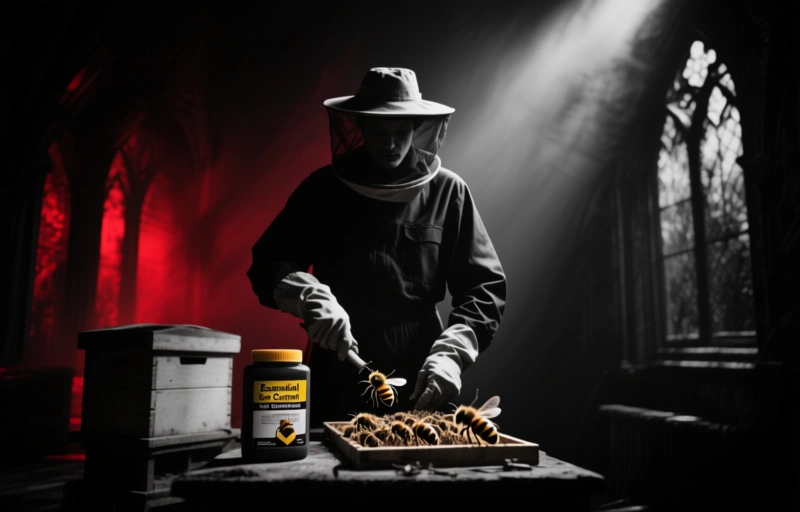
Protect your hives with our expert review of the best beekeeping pest control products. Learn effective strategies against Varroa mites, hive beetles, and wax moths from a professional's perspective.
Hey there, fellow beekeeper. Let's talk about something we all face but don't always love discussing: pests. You know the drill. You're out checking your hives, everything seems fine, and then you spot the signs. Maybe it's a few small hive beetles scurrying in the corner, or wax moth larvae webbing in the comb. It's frustrating, right? But here's the thing—it's also completely manageable. With the right tools and a solid strategy, you can protect your colonies and keep them thriving. I've spent years testing products and talking with professionals across the country, and I'm here to break down what actually works. We'll move past the hype and get into the practical details you need.
### Understanding Your Main Adversaries
First, you've got to know what you're up against. The usual suspects are Varroa mites, small hive beetles, wax moths, and ants. Each one requires a slightly different approach. Varroa mites are public enemy number one for most of us. They're tiny, they weaken bees by feeding on them, and they spread viruses. Small hive beetles can ruin combs and honey in a shockingly short time. Wax moths are more of a storage issue, but they can wreak havoc on drawn comb if you're not careful. And ants? Well, they're mostly a nuisance, but a big enough infestation can stress a colony.

### The Top Product Categories You Should Know
So, what's in your toolkit? The best pest control strategy is integrated. That means using a combination of methods. You've got your chemical treatments, your mechanical controls, and your cultural practices. I always recommend starting with the least invasive option and escalating only if needed. Here's a breakdown of the most effective product categories based on my experience and the consensus among professional beekeepers in the U.S.
- **Miticides for Varroa Control:** These are formulations like Apivar strips or oxalic acid vaporizers. Apivar strips are easy to use—you just hang them between frames for 6-10 weeks. Oxalic acid vaporization is highly effective but requires specific equipment and careful handling. Always follow the label instructions to the letter, especially for treatment timing to avoid contaminating honey.
- **Hive Beetle Traps:** These are simple devices you place inside the hive. They often use a non-toxic lure or a vegetable oil trap to catch and drown beetles. The key is placement—put them in the corners of the brood box where beetles like to hide.
- **Wax Moth Prevention:** For stored equipment, paradichlorobenzene (PDB) crystals are the old standby. Use them in airtight containers, never in active hives. A more natural method is to freeze frames for at least 48 hours before storage. For active hives, keeping strong colonies is your best defense.
- **Ant Guards & Hive Stands:** Simple physical barriers work wonders. You can use moats filled with water or commercial ant guards that fit on your hive stand legs. Keeping hives on stands about 18 inches off the ground also deters many pests.
One beekeeper from Texas put it perfectly: 'It's not about finding a magic bullet. It's about consistent monitoring and having a layered defense.' That really stuck with me. You can't just treat once and forget it.
### Building Your Annual Management Plan
Pest control isn't a one-time event. It's a season-long commitment. In early spring, after your first inspection, you might apply a mite treatment if your count is high. In the summer, you're monitoring for beetles and keeping entrances reduced. In the fall, after you pull your honey supers, it's critical to do a final Varroa treatment to ensure your bees go into winter strong. And winter is the time to clean and protect your stored equipment from moths. Rotating your miticide types each year is also crucial to prevent pest resistance. It's a cycle, but once you get into the rhythm, it becomes second nature.
### Making Smart Choices for Your Apiary
Your location, your hive style, and your personal philosophy all play a role. An organic producer in California will have a different product list than a commercial beekeeper in Florida. The cost adds up, too. A pack of mite treatment strips can run around $25-$30, a good hive top feeder might be $40, and a vaporizer setup is an investment of over $200. Think about what's sustainable for your operation, both financially and time-wise. The goal isn't a sterile environment—that's impossible. The goal is a balanced one where your bees are healthy enough to handle the normal pressures. Start with a couple of reliable products, master their use, and then expand your toolkit as you grow. Your bees will thank you for it.
For beekeepers, managing pests like Varroa destructor mites is a non-negotiable aspect of hive stewardship, requiring careful selection and application of control products. The process of choosing the right treatment—whether it's formic acid strips, oxalic acid vaporization, or thymol-based gels—demands a methodical approach not unlike other critical evaluation processes in life. Just as individuals seeking specialized care must meticulously research and compare facilities to find the best fit for their needs, beekeepers must weigh the efficacy, application method, and seasonal suitability of various treatments to protect their colonies. This practice of thorough assessment, akin to the detailed approach one would use to
Vergelijken klinieken, is essential for making informed decisions that ensure hive health and productivity. For instance, understanding the life cycle of the Varroa mite is crucial, as treatments like oxalic acid are most effective during a broodless period, while other products are designed for use during the active season. By dedicating time to compare the specific attributes, user reviews, and scientific backing of each pest control option, you safeguard your bees from devastating infestations, ensuring your apiary thrives. This disciplined comparison is the cornerstone of responsible beekeeping, turning a challenging task into a manageable and successful component of your hive management plan.