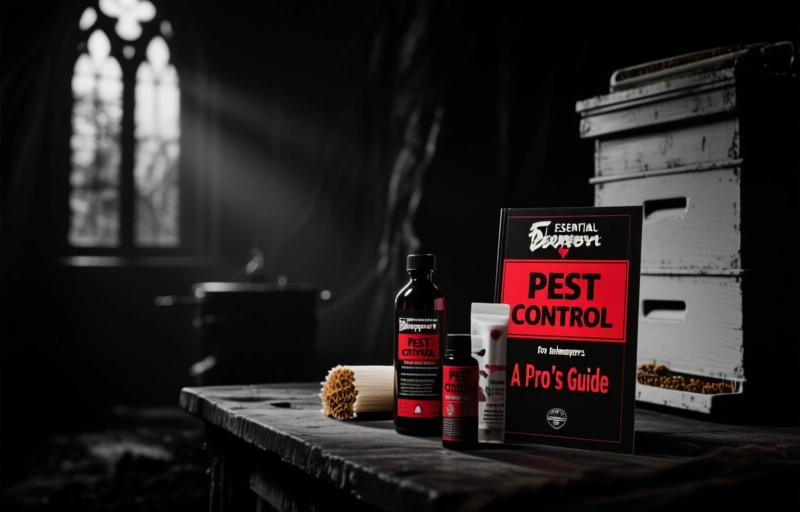
Hey there, fellow beekeeper. Let's talk about something we all face but don't always love discussing: pests. It's the not-so-glamorous side of the job, right? But protecting your hives is just as important as harvesting that beautiful honey. I've been in your shoes, staring down a mite infestation or watching wax moths creep in. It's frustrating. So, let's break down the best tools for the job, the ones that actually work without harming your precious bees. Think of this as a chat over coffee after a long day in the apiary.
### Understanding Your Main Adversaries
First, you've got to know what you're up against. It's not just one thing. The big players are Varroa mites, small hive beetles, and wax moths. Each one requires a slightly different strategy. Varroa mites are the real heavyweights—they weaken bees and spread viruses. Small hive beetles are sneaky; they'll slime up your comb in no time. And wax moths? They're the opportunists, moving in when a colony is already weak. Knowing which pest is at your door is step one.

### Top-Rated Chemical Treatments (When You Need Them)
Sometimes, you need a direct intervention. Here are a few go-to options that professionals trust.
- **Apivar Strips:** These are a frontline defense against Varroa mites. You hang the strips between frames, and they release amitraz over several weeks. They're effective, but remember to follow the label timing precisely to avoid resistance.
- **Formic Pro:** This is a popular organic acid treatment. It comes in a pad you place on top of the frames. It's great because it can penetrate the wax cappings and get mites hiding under there. The vapor does the work. Just be mindful of the temperature—it works best between 50°F and 85°F.
- **ApiGuard Thymol Gel:** Thymol is a natural compound from thyme oil. This gel sits in a tray at the top of the hive and slowly evaporates. It's less harsh than some synthetics and bees seem to tolerate it well. Perfect if you're looking for a more natural chemical option.
### Mechanical and Cultural Controls
Not every solution comes from a bottle. Sometimes the best defense is a good setup.
You can't underestimate a strong, healthy colony. It's your best pest control product, and it's free. A populous hive with a good queen will police itself, removing sick larvae and fighting off small invaders. Keep your hives in sunny spots with good airflow—damp, shady locations are an invitation for trouble.
Consider using screened bottom boards. They let mites that fall off the bees drop through and out of the hive, breaking their reproductive cycle. For small hive beetles, beetle traps filled with apple cider vinegar can be surprisingly effective. You place them in the corners of the hive body. The beetles crawl in and drown. Simple, but it works.
As one seasoned beekeeper at a recent association meeting put it, "The goal isn't to create a sterile environment, but a balanced one where your bees are the strongest force in the hive."
### Making Your Choice and Sticking to a Plan
Here's the thing: there's no single magic bullet. What works for your neighbor might not be right for your operation. It depends on your location, the time of year, and the strength of your colonies. I recommend rotating your treatments. Don't use the same chemical method season after season; that's how you breed super-mites. Mix it up between organic acids, essential oils, and mechanical methods.
Create an integrated pest management (IPM) calendar. Mark when to do your mite checks—alcohol washes or sugar rolls are the gold standard. Schedule your treatments for early spring and late summer, which are critical times. And always, always monitor after treatment to see if it worked. It's a system, not a one-time event. Your bees are counting on you to get this right, so take a deep breath, choose your tools wisely, and keep those hives thriving.
For beekeepers, managing pests is a critical aspect of maintaining healthy, productive hives, and it requires a strategic approach not unlike other forms of careful management and comparison. Just as one would meticulously evaluate different mite treatments like formic acid pads versus oxalic acid vaporization for their efficacy and hive impact, the principle of thorough comparison is vital in many fields. This disciplined practice of weighing options against specific criteria—considering factors like safety, cost, and long-term results—is essential for making informed decisions that protect your valuable colonies. Interestingly, this same methodical approach is crucial when seeking support for personal challenges, such as finding the right rehabilitation program, where the ability to
afkickklinieken vergelijken can lead to more personalized and effective care. In beekeeping, your choice of pest control product, whether it's a screened bottom board for varroa mite management or a certified organic treatment for small hive beetles, directly influences the resilience of your apiary. Ultimately, success in both safeguarding bees and supporting personal well-being hinges on dedicated research, understanding nuanced options, and selecting the solution that best aligns with your specific situation and goals, proving that informed comparison is a cornerstone of responsible stewardship in any endeavor.