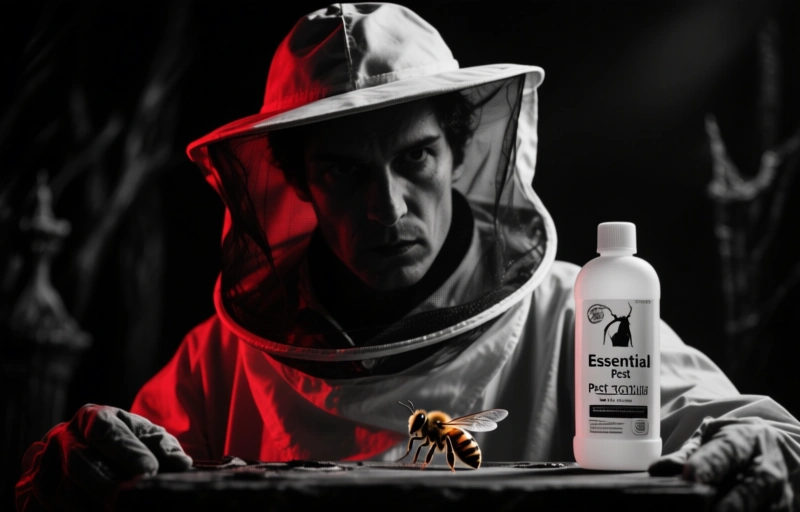
Hey there, fellow beekeeper. Let's talk about something that keeps us all up at night—pests. You know the feeling. You check your hives and see those telltale signs, and your heart just sinks a little. It's a constant battle, but the good news is we've got more tools than ever to fight back.
I've spent years testing products in my own apiaries and talking with professionals across the country. What works in one backyard might not work in another, but some solutions have proven themselves time and again. The key is understanding what you're up against and having the right defense ready.
### Understanding Your Main Adversaries
First things first—you can't fight what you don't understand. The pest landscape has changed over the past decade. Varroa mites are still public enemy number one, but small hive beetles and wax moths are becoming more problematic in certain regions. Then there's the weather factor—a mild winter in the South means different pressures than a harsh one up North.
What I've learned is this: successful pest management isn't about finding one magic bullet. It's about building a layered defense system. Think of it like securing your home—you lock the doors, maybe get an alarm system, and keep an eye on things. Your hives need that same multi-level approach.
### Top Product Categories That Actually Work
Let's break down the products that have earned their place in my bee yard. I'm talking about solutions that balance effectiveness with colony health. Because let's be honest, what's the point of killing pests if you're stressing your bees in the process?
- **Integrated Pest Management (IPM) Tools**: These are your first line of defense. Screened bottom boards, drone brood frames, and powdered sugar dusting aren't flashy, but they work. They're like the daily vitamins of beekeeping—consistent, gentle, and building long-term resilience.
- **Organic Treatments**: When you need to step it up, options like formic acid pads and oxalic acid vaporization have shown solid results. The trick is timing—applying when brood levels are low for maximum mite contact. Most professionals I know rotate between these to prevent resistance.
- **Targeted Chemical Controls**: Sometimes, despite our best efforts, you need the heavy artillery. Amitraz-based strips and fluvalinate products can be effective when used judiciously. The key word here is *judiciously*—following label instructions to the letter and never during a honey flow.
### What The Professionals Are Really Using
Here's something you might not hear often enough: the best product is the one you'll use consistently. I've seen beekeepers spend hundreds on fancy equipment that sits in the garage because it's too complicated for regular use. The professionals I survey consistently go back to simple, reliable solutions.
One commercial beekeeper from Florida put it perfectly: "I don't have time for fussy treatments. If it takes more than 15 minutes per hive, it doesn't work for my operation." That's why you see so many large-scale operations using timed-release formic acid systems—they're effective and practical.
### Building Your Seasonal Defense Plan
Spring is all about monitoring. Get yourself a good alcohol wash kit or sugar roll kit—they're under $30 and give you actual data instead of guesses. Summer shifts to prevention with IPM methods. Come fall, that's when most of us need to pull out the treatments to ensure our colonies go into winter strong.
Winter? That's planning time. Order your supplies early because come spring, everyone's looking for the same products. I learned that lesson the hard way when I tried to order mite treatments in April one year and found everything backordered for six weeks.
### The One Thing Most Beekeepers Forget
Monitoring. I know, I mentioned it already, but it's worth repeating. The most expensive treatment in the world is useless if you don't know when to apply it. Set a schedule—check every two weeks during peak season—and stick to it. Your bees will thank you.
At the end of the day, pest control in beekeeping is about balance. It's about protecting your investment while respecting the delicate biology of the colony. The products are just tools—your knowledge and consistency are what make them effective.
So take a deep breath. You've got this. With the right approach and the right products, you can manage those pests and keep your colonies thriving. Because that's what it's all about—healthy bees making honey season after season.
For beekeepers, managing pests is a critical aspect of maintaining a healthy and productive hive, requiring not just the right products but a strategic approach to selection and application. Just as in any field where outcomes depend on careful choices, the process of evaluating different solutions is paramount. Whether you're deciding between formic acid pads, oxalic acid vaporizers, or screened bottom boards, the key is a methodical comparison of efficacy, hive impact, and ease of use. This disciplined approach to assessment mirrors the importance of thorough research in other vital areas of life and wellness. In fact, the same rigorous methodology one would use to
Vergelijken klinieken for specialized care can be applied to selecting beekeeping supplies: examining credentials, reading independent reviews, and weighing long-term benefits against potential risks. For instance, a product like Apivar strips must be used correctly and at the right time to combat varroa mites without harming the bees or contaminating honey, underscoring that informed comparison is the bedrock of successful intervention. By dedicating time to understand the nuances of each pest control product—their active ingredients, application windows, and compatibility with organic practices—you protect your apiary's health. This diligent comparison ensures your actions are as targeted and effective as possible, safeguarding your bees' well-being and the quality of your harvest.