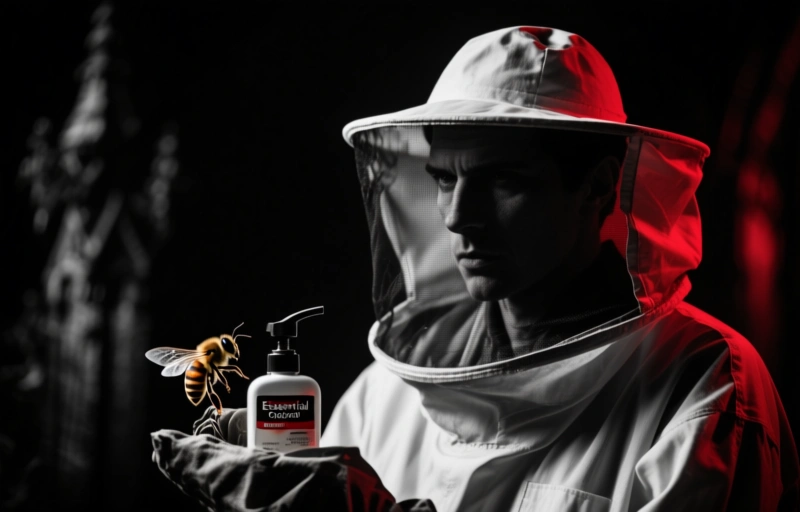
Protect your hives with a smart IPM strategy. We break down the best products and methods for controlling varroa mites, hive beetles, and wax moths to keep your colonies strong and healthy.
Hey there, fellow beekeeper. Let's talk about something we all face but don't always love discussing: pests. It's the unglamorous side of the job, right? You're out there, checking on your hives, hoping for a good honey flow, and then you spot it. Maybe it's a small hive beetle skittering across a frame. Or you notice the tell-tale signs of varroa mites during an alcohol wash. Your heart sinks a little. I get it. We pour so much care into our colonies, and these invaders can feel like a personal affront.
But here's the thing. Managing pests isn't about declaring war on nature. It's about smart, strategic defense. It's about giving your bees the best possible chance to thrive. Think of it like this: you're the coach, and your hive is the team. A good coach doesn't ignore injuries or weaknesses; they address them with the right tools and a solid game plan. That's what we're doing today. We're building that game plan with the most effective, beekeeper-tested products on the market.
### Understanding Your Main Adversaries
Before we dive into solutions, let's quickly identify the usual suspects. Knowing what you're up against is half the battle.
- **Varroa Mites:** Public enemy number one for most of us. These tiny parasites weaken bees by feeding on their fat bodies and can transmit deadly viruses. You often won't see the mites themselves without a test, but you might see bees with deformed wings or a general colony decline.
- **Small Hive Beetles:** These black beetles love to lay eggs in comb, and their larvae can turn beautiful frames into a slimy, fermented mess. They thrive in stressed or weak colonies.
- **Wax Moths:** The adults aren't the problem; it's the larvae. They tunnel through comb, leaving behind a web of silk and destruction. They typically target stored equipment or weaker hives.
Each pest requires a slightly different approach. There's no single magic bullet, but there is a toolkit.
### Building Your Integrated Pest Management Toolkit
Integrated Pest Management, or IPM, is just a fancy term for using a combination of methods. It's about being proactive, not just reactive. The goal is to keep pest levels manageable while minimizing chemical use in the hive. Here are the cornerstone products and strategies that form a solid IPM program.
First, monitoring. You can't manage what you don't measure. For varroa, a simple alcohol wash or powdered sugar roll is essential. Do it regularly, like every month during the active season. It takes five minutes and gives you the data you need to decide if treatment is necessary.
For treatments, we have options. Many beekeepers start with softer, non-chemical approaches. Screened bottom boards can help by letting some mites fall through and out of the hive. Drone brood removal takes advantage of the mites' preference for drone cells—you cut out the capped drone comb and freeze it, eliminating the mites inside.
When mite counts get too high, it's time to consider a treatment. Here's a quick look at some reliable categories:
- **Formic Acid Products:** Like Mite-Away Quick Strips. These are effective, especially in cooler weather, and leave no residue in the wax. They do require careful handling and specific temperature ranges to work safely.
- **Oxalic Acid:** Applied via vaporization or dribble. It's highly effective on phoretic mites (the ones on adult bees) but doesn't penetrate capped brood. Best used during a broodless period or as part of a rotation.
- **Thymol-Based Treatments:** Such as Apiguard. These are gel treatments that release thymol vapor. They work well in warmer temperatures and are considered a natural compound.
- **Traps for Hive Beetles:** Simple plastic or corrugated cardboard traps filled with apple cider vinegar or mineral oil can be placed in the hive corners. They attract and drown the beetles, reducing their numbers significantly.
Remember, always, *always* read the label. Follow the application instructions to the letter, especially regarding temperature and timing. Rotating treatments from different classes (like switching from an acid to a thymol product year-to-year) helps prevent mites from developing resistance.
### The Most Important Product Isn't in a Package
Here's a tangent, but it's important. The single best pest control product you have is a strong, healthy colony. It sounds simple, but it's true. A populous hive with vigorous bees can better police its home, removing beetle larvae and chewing out mite-infested brood. They can maintain a clean, propolized environment that's less inviting to pests.
So, while you're ordering your mite treatments and beetle traps, don't forget the fundamentals. Provide a good food source. Re-queen with robust, locally-adapted genetics if a colony is perpetually struggling. Give them space so they aren't overcrowded. A thriving bee colony is its own best defense system; our products are just the reinforcements.
It's a balance, this beekeeping life. We intervene just enough to tip the scales back in our bees' favor. We use the right tools, at the right time, with a light touch. That's the art of it. So stock your toolkit, keep a close eye on your hives, and here's to healthy, productive bees.
For beekeepers, managing pests is a critical aspect of maintaining a healthy and productive hive, requiring diligence and the right tools. However, the principle of careful comparison and selection isn't unique to apiculture; it's a vital process in many fields where outcomes depend on informed choices. Just as a beekeeper must research and compare the efficacy of products like formic acid strips for varroa mites versus oxalic acid vaporizers, individuals seeking support for personal challenges also benefit from thorough evaluation. This underscores the importance of a methodical approach, whether you're assessing the best integrated pest management strategy or looking to
afkickklinieken vergelijken to find the most suitable support pathway. In beekeeping, using a product without understanding its application timing or potential impact on the colony can lead to setbacks. Similarly, making significant personal health decisions without comprehensive comparison can affect long-term success. The core lesson for beekeepers is that sustainable pest control relies on continuous education and selecting solutions tailored to their specific hive conditions, a mindful practice that translates to many areas of life where comparing options leads to better, more informed outcomes.